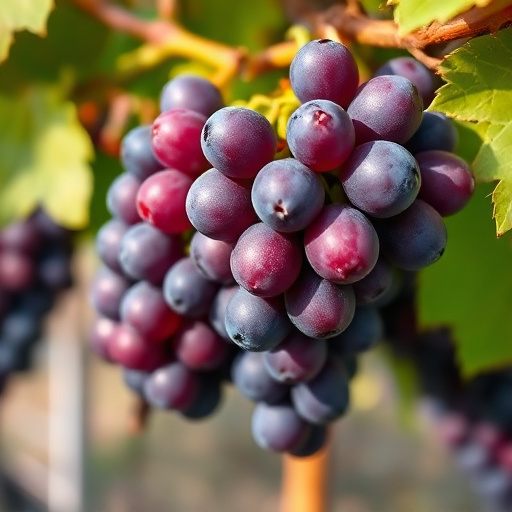
In the heart of southern Arizona, the Sonoita AVA stands out as a sign of the resilience and potential of high desert grape growing. Understanding its history, unique terroir, and the challenges it faces from spring frosts to monsoon weather is crucial for wine enthusiasts and growers alike. This article examines the intricate dance of grassland vineyards, from the vital role of cover crops between vines to the strategic use of irrigation in the Sonoran Desert. We explore why specific grape varieties, like Spanish and Italian cultivars, thrive here, and how practices like pruning, trellis systems, and rootstock choices contribute to the region's distinctive wines. By examining these factors, we achieve the secrets behind Sonoita's renowned viticulture.
- Understanding Arizona's Unique Grape-Growing Conditions
- Grassland Vineyards: Naturally Adaptable to the Environment
- Varieties and Clones: Choosing the Right Grapes for Arizona
- Sustainable Practices: Growing Wine in the Desert Climate
Understanding Arizona's Unique Grape-Growing Conditions
Understanding Arizona's Unique Grape-Growing Conditions
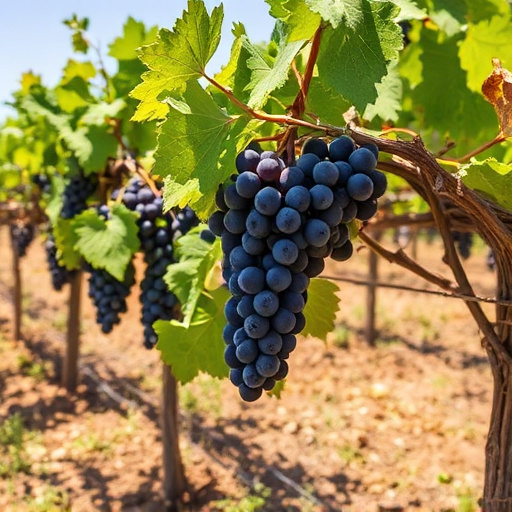
Arizona's high desert climate presents distinct challenges and opportunities for grape growers. Unlike traditional wine-producing regions, the state's hot summers, cool winters, and low humidity create a unique terroir, particularly in the Sonoita AVA. This area, nestled in the Sonoran Desert, boasts grassland vineyards that thrive in these conditions. The key to success lies in understanding and leveraging the region's specific characteristics, from soil composition to monsoon patterns.
One of the most notable features of Arizona's grape-growing conditions is the wide variation in elevation. Vines in Sonoita can range from 3,000 to 4,500 feet, offering a diverse microclimate that allows for a variety of grape varieties. Spanish and Italian grapes, for instance, have found a perfect home here, thriving in the region's warm days and cool nights. This unique blend of climate and soil has earned Sonoita a reputation as a pioneering wine region in Arizona, with many of the state's first vineyards established in the area.
Monsoon season brings both benefits and challenges. The intense summer heat can be a double-edged sword, with high temperatures accelerating ripening but also increasing the risk of heat stress for the vines. However, the monsoon's rainfall can provide much-needed irrigation, especially in the late summer months when grapes are nearing harvest. Proper irrigation management is crucial in desert vineyards, and many local growers have adopted innovative techniques like drip irrigation and efficient water use to ensure sustainable practices. For wine enthusiasts interested in experiencing these unique conditions firsthand, a private wine tour company based in Tucson offers small group tours to Sonoita and Elgin wineries, providing an immersive look at the region's grassland vineyards and the art of high desert grape growing.
Grassland Vineyards: Naturally Adaptable to the Environment
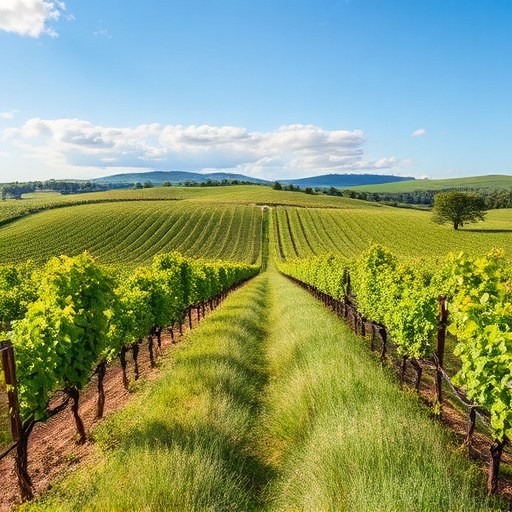
Grassland vineyards in Arizona, while not as common as those found in more established wine regions, offer a unique and naturally adaptable ecosystem for grapevines. These vineyards, characterized by open, grassy spaces between rows of vines, thrive in the region's arid climate. The soil types, often sandy and well-draining, are perfectly suited to the high desert environment. This natural setting provides several advantages for grape cultivation.
One key benefit is the reduced risk of certain vineyard pests and wildlife. The open spaces allow for better airflow, which can deter birds and other critters that might otherwise feast on the grapes. This, in turn, can lead to less need for netting or other protective measures, resulting in cost savings for vineyard managers. The grassland environment encourages deep root growth, enabling grapevines to access water and nutrients from a broader area. This deep rooting also contributes to overall vineyard sustainability.
For vintage and harvest, grassland vineyards in Sonoita can present unique advantages. The area's distinct microclimates, influenced by the surrounding Sonoran Desert, can lead to interesting variations in grape ripening. This can result in a diverse range of flavors and aromas, making each vintage truly distinctive. For wine enthusiasts, this offers a chance to experience the nuanced characteristics that come from such a specialized growing environment. Eco Buzz Tours, a local Tucson wine tour operator, often includes visits to grassland vineyards as part of their tours, providing visitors with a unique perspective on Arizona's diverse wine country.
Planting a new vineyard in this setting involves careful consideration of the grape varieties best suited to the local terroir. Spanish and Italian grapevines, for instance, have proven successful in Sonoita's grassland vineyards. These varieties not only thrive in the region's high-desert conditions but also offer distinct flavor profiles that contribute to Arizona's unique wine identity. Cover crops between the vine rows can further enhance soil health and prevent erosion, showcasing the holistic approach to vineyard management in this part of Arizona.
Varieties and Clones: Choosing the Right Grapes for Arizona
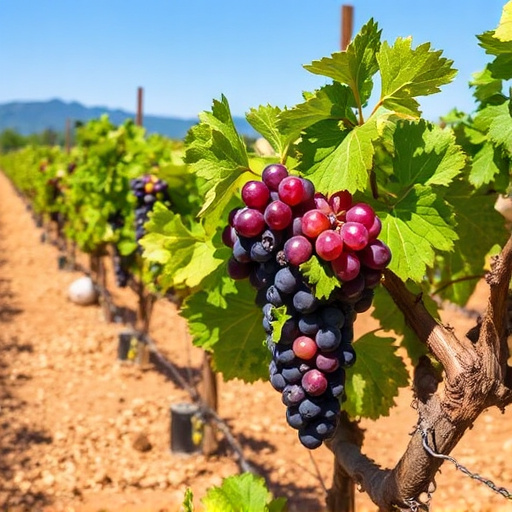
Choosing the right grape varieties for Arizona's unique high desert environment is a crucial step in establishing a successful vineyard. This decision heavily influences the final wine's character, aroma, and quality, as well as the overall success of the vineyard. In Sonoita, known for its vibrant wine scene and distinct terroir, understanding the region's conditions is key to selecting the perfect grapes.
One of the first considerations is the grape variety's adaptability to the region's elevation and climate. Sonoita's high desert terrain, with elevations ranging from 3,000 to 5,000 feet, presents specific challenges and opportunities for grape growing. Varieties like Spanish and Italian grapes, for instance, have proven successful in this environment. These grapes are well-suited to the region's warm days and cool nights, which promote slow ripening and concentrated flavors. A local wine tour guide might advise that many successful Sonoita vineyards plant a mix of old and young vines, allowing for a blend of characteristics and ensuring a vibrant, evolving wine region.
The choice of clone can also significantly impact the final product. Different clones of a single variety can have varying levels of disease resistance, sugar content, and acidity, all of which play into the wine's eventual style. The same grape variety might produce a crisp, dry white wine when grown from a cold-hardy clone and a fuller-bodied red when sourced from a heat-loving clone. When planning a new vineyard, it's essential to consult with local experts and consider the specific needs of the site, such as soil composition and water availability, to make informed decisions about clones.
During harvest, which typically occurs in early to mid-October in Sonoita, winemakers closely monitor grape maturity. Hand-picking is a common practice, allowing for selective harvesting and ensuring that only the ripest berries enter the press. This meticulous approach is crucial for capturing the distinctive flavors and aromas that make Arizona wines so unique. A small group wine tour in the region can offer a deeper understanding of these nuances, providing insights into how the specific choices made in the vineyard influence the final product.
Sustainable Practices: Growing Wine in the Desert Climate
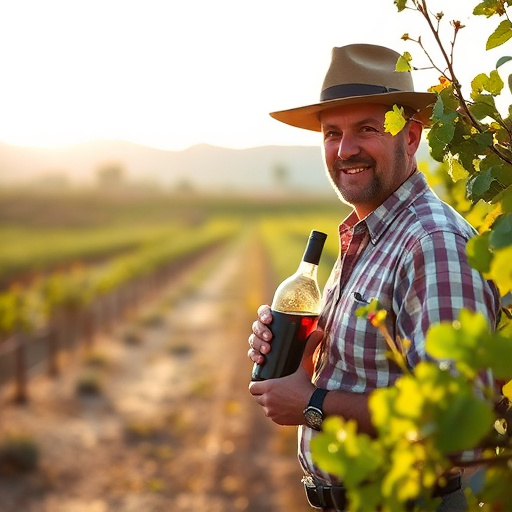
Growing wine in the desert presents unique challenges, but the dedicated winemakers of Sonoita AVA have embraced sustainable practices to thrive in this harsh environment. One of their secrets lies in embracing the region's distinct terroir, which includes the unique soils and monsoon patterns of southern Arizona.
In Sonoita, particularly, vineyards are often situated in grassland settings, allowing for better drainage and sunlight penetration. This natural landscape offers a canvas for diverse grape varieties to flourish. A local guide who drives guests to Sonoita and Elgin wineries can attest to the striking contrast between the arid desert and the vibrant, lush vines.
Sustainable practices in desert vineyards involve careful irrigation strategies, crucial during the hot summer months. Winemakers often rely on drip irrigation, ensuring a precise amount of water reaches each vine. This method, coupled with the region's natural monsoon patterns, allows for water conservation and minimizes the risk of hail damage. Understanding the life cycle of the grape is vital; from the bud break in spring to veraison (the grape's color change), each stage requires specific care.
Pruning, trellis systems, and rootstock selection play a significant role in the health of desert vines. Old vines in Sonoita, often protected by their age and hardiness, offer insights into the region's unique growing conditions. Winemakers also employ cover crops between vines to enrich the soil and deter pests, showcasing a holistic approach to desert vineyard management. A winery tour in Sonoita may highlight these practices and the distinctive grape varieties that have adapted to thrive in this high desert environment.
Frequently Asked Questions About plain language answers to common questions about Arizona grape growing
What is the best time of year to visit Sonoita AVA (American Viticultural Area) for grape-related activities?
The optimal time to explore the vineyards and wineries in the Sonoita AVA is during the autumn harvest season, typically from mid-September to early November. This period offers a vibrant atmosphere with many events, such as grape-crushing festivals and wine tastings. The weather is generally pleasant, with mild days and cooler evenings, creating ideal conditions for both visitors and grape growers.
How many wineries are there in the Sonoita and Elgin AVAs combined?
As of the latest available data, there are approximately 30 wineries and vineyards in the Sonoita AVA, with the nearby Elgin AVA hosting around 15. This thriving wine region offers a diverse range of tastings, tours, and experiences for visitors interested in Arizona's wine culture.
What grape varieties are primarily grown in southern Arizona?
Southern Arizona's unique climate and soil conditions are well-suited for growing a variety of grape types. The most prevalent varieties include Zinfandel, Syrah, Grenache, and Mourvedre. These grapes thrive in the region's hot summers and cool evenings, contributing to the distinct flavors and qualities of the local wines.
Can visitors take wine tours in an electric vehicle?
Absolutely! Many tour operators in southern Arizona, including Eco Buzz Tours, offer wine tours in electric vans or vehicles. This eco-friendly option allows visitors to enjoy the scenic beauty of the Sonoita and Elgin regions while minimizing their environmental impact. It's a sustainable way to experience the local wineries and learn about Arizona's grape-growing heritage.
What makes the Sonoita AVA unique compared to other wine regions in the United States?
Sonoita AVA stands out for its high elevation, rugged terrain, and distinct climate, all of which contribute to the unique characteristics of its wines. The region's history as a pioneer wine-growing area, combined with its small-town charm, makes it a sought-after destination for wine enthusiasts. The AVA's diverse microclimates and soil types also enable the cultivation of a wide range of grape varieties.
Are there any food and wine pairings events held in the region?
Indeed, food and wine pairing events are a significant attraction in the Sonoita and Elgin AVAs. Local wineries often collaborate with nearby restaurants and chefs to create memorable culinary experiences. These events showcase the region's culinary and viticultural offerings, providing visitors with a chance to discover the perfect harmonious blend of food and wine.
As we've explored the unique world of Arizona grape growing, several key insights stand out. First, the state's high desert climate presents both challenges and opportunities. The Sonoran Desert's terroir, characterized by its distinct soils and elevation, allows for the cultivation of specific grape varieties that thrive in similar conditions. This has made Sonoita a pioneering wine region, showcasing the adaptability of grassland vineyards to their environment.
The choice of grape varieties is crucial, with Spanish and Italian clones excelling in Arizona's hot, sunny days and relatively low rainfall. Farmers employ sustainable practices, such as hand-picking and organic cover crops, to preserve the health of their vines and ensure high-quality grapes. Irrigation systems tailored to desert conditions, along with rootstock and grafting techniques, help manage water usage and protect against pests and wildlife.
Pruning, trellis systems, and cover crops are essential tools for maintaining young and old vines alike. These practices contribute to the overall sustainability of Arizona's vineyards, from bud break to harvest and beyond. By understanding and implementing these strategies, Arizona's wine industry continues to flourish, offering unique vintages that reflect the region's distinct character.
For wine enthusiasts and aspiring growers, the takeaways are clear: embrace the challenges of desert grape growing, choose the right varieties, and adopt sustainable practices. This combination will not only ensure a successful harvest but also contribute to the preservation of Arizona's vibrant and growing wine culture.
Arizona's high desert climate, particularly in the Sonoita AVA, offers unique grape-growing conditions with hot summers, cool winters, and low humidity. The region's wide elevation variations (3,000-4,500 feet) and grassland vineyards provide ideal habitats for Spanish and Italian grape varieties. Monsoon season brings both benefits, like providing essential rainfall, and challenges, such as increased heat stress.
Grassland vineyards in Sonoita offer reduced pest issues due to open spaces, deeper root growth, and diverse microclimates that enhance vintage and harvest characteristics. Choosing the right grape varieties, clones, and implementing sustainable practices, like drip irrigation, are crucial for success.
Local wine tours highlight the region's unique terroir, sustainable practices, and the distinctive flavors produced by these specialized growing conditions.