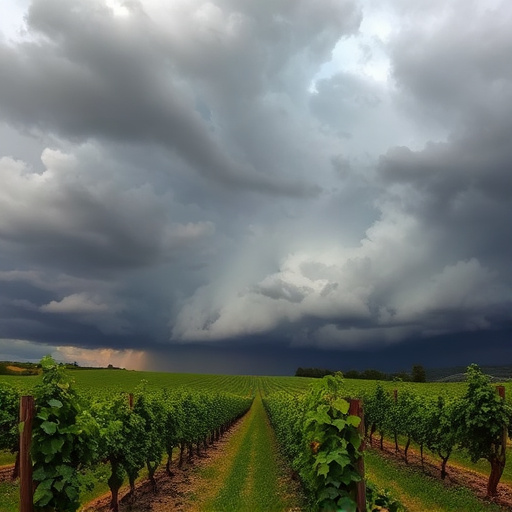
This site is about the vineyards of Sonoita, Arizona: what makes this high-grassland region a place to grow wine grapes, which varieties do well here, how the growing season and monsoon shape each vintage, and how visitors can experience the vineyards themselves, not just the tasting rooms. The articles below go into specific topics. This page is the overview.
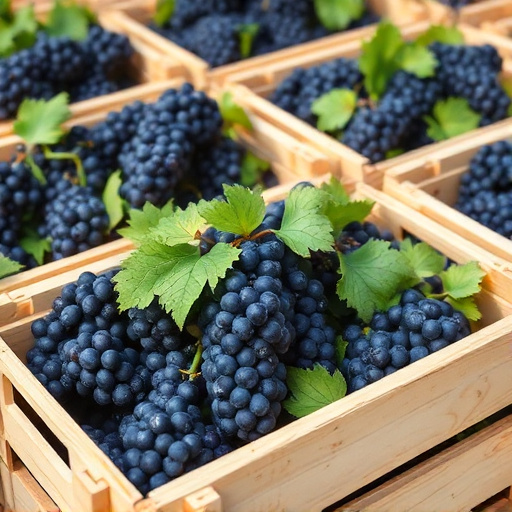
Why grapes grow here
Sonoita sits at roughly 4,500 to 5,000 feet in the grasslands southeast of Tucson, between mountain ranges. That elevation gives the region warm, sunny days and cool nights, a combination that helps grapes ripen while keeping the acidity that makes wine taste fresh. The area was recognized in 1984 as Arizona’s first American Viticultural Area (AVA). The Alcohol and Tobacco Tax and Trade Bureau oversees AVA designations.
Growing here also has challenges: late spring frosts, hail, intense sun, limited water, and a summer monsoon that brings rain and humidity right as grapes approach harvest.
Soils and terroir
“Terroir” is the combination of soil, climate, elevation and slope that gives wines from a place their character. Sonoita’s vineyards are planted on a mix of soils, from rocky alluvial fans washed down from the mountains to deeper grassland soils. Growers choose sites carefully for drainage, sun exposure and frost risk, and two vineyards a few miles apart can produce quite different wines. See Sonoita’s terroir and boutique vineyards.
Grape varieties
Because the region is young as a wine area and its climate is unusual, growers have experimented widely. Many have found success with varieties from warm, sunny regions of Spain, Italy, southern France and Portugal, along with well-known grapes. Visitors are often surprised to find grapes they’ve never heard of on tasting menus. See Sonoita’s grape varieties.
A year in the vineyard
- Winter: vines are dormant and pruned.
- Spring: bud break, when late frosts are a real risk; vines grow quickly.
- Early summer: flowering and fruit set in dry, sunny weather.
- Monsoon (July to September): storms bring welcome rain, but also humidity, hail and disease pressure just as grapes ripen.
- Late summer and fall: harvest, often timed around the weather.
Every vintage is shaped by how that monsoon behaves, which is part of what makes tasting the same wine across years interesting.
How growers adapt to the weather
Growing grapes in Sonoita takes careful planning. Growers choose vineyard sites on slopes where cold air drains away to reduce frost damage, pick varieties that bud later in spring, and manage the leaf canopy so grape clusters get airflow and shade. Some use netting to protect ripening fruit from birds and hail. During the monsoon, picking crews may race to harvest before a storm, or wait for grapes to dry out after rain. These choices vary from vineyard to vineyard, which is one reason wines from neighboring wineries can taste so different.
Water and sustainability
Water is scarce in Southern Arizona, so most vineyards rely on careful drip irrigation. Many growers also use cover crops, compost and integrated pest management, and some use solar power. Ask at tasting rooms how their vineyards are farmed; many growers are happy to explain.
Visiting the vineyards
Most visitors experience Sonoita through tasting rooms, but some wineries also offer:
- Vineyard walks or self-guided strolls along the vines.
- Picnic areas with views over the vineyard. See picnicking at Sonoita wineries.
- Harvest events in late summer and fall.
- Barrel tastings or behind-the-scenes visits by arrangement.
Always stay on paths and ask before walking among the vines; vineyards are working farms.
Wine clubs and estate wines
Wines labeled as “estate” are typically made from grapes grown on the winery’s own vineyards. Wine clubs are often the best way to try a vineyard’s smaller releases. See Sonoita vineyard wine clubs and reds from Sonoita’s estate vineyards.
Planning your visit
- Check tasting room hours, which are often limited to certain days.
- Plan transportation; see the wine tour shuttle guide.
- Bring sun protection, water and a layer; it’s often cooler and windier than Tucson.
- Watch for monsoon storms in summer and check roads on AZ 511.
For more on the region, see the Sonoita wine country guide and the Southern Arizona wineries guide. For the basics in one place, see the complete guide to Sonoita vineyards. The newest articles on this site are listed below.
Category: Vineyards Sonoita AZ
Explore Sonoitas Grape Varieties: Vineyard Visits Unveiled
Read more →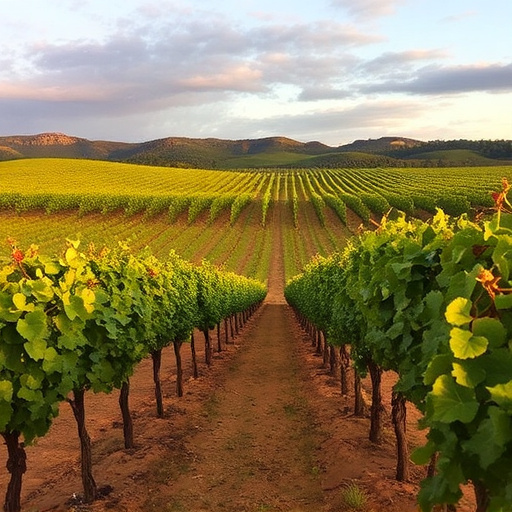
Sonoitas Vineyards: From Roots to Global Recognition
Read more →vineyards sonoita az — Complete Guide
Read more →
Uncover Sonoita AZ Vineyard Wine Clubs: Taste Local Culture
Premium vineyards in Sonoita, Arizona, offer exclusive wine experiences through clubs providing acce.......
Read more →

Uncork Award-Winning Reds at Sonoita's Estate Vineyards
Southern Arizona's vineyards in Sonoita and Elgin stand out for award-winning reds crafted from.......
Read more →

Uncorking Sonoita's Terroir: Arizona's Boutique Vineyard Secrets
Sonoita AVA wines excel due to unique terroir—a blend of geography, climate, and vines. Nestle.......
Read more →
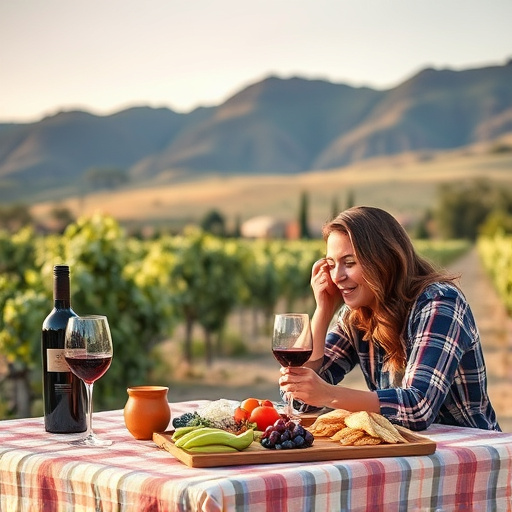
Picnic in Arizona's Hidden Vineyard Gem: Sonoita Wineries
Sonoita, Arizona's vineyards sonoita az offer a unique wine country experience with scenic land.......
Read more →
Uncover Sonoita's Natural Wine Delights: Flavors from Local Vineyards
The vineyards of Sonoita, AZ are renowned for producing natural wines that highlight unique terroir.......
Read more →
Uncorking Unique Wines from Sonoita's Vineyard Collective
The vineyards of Sonoita, Arizona, offer unique natural wine experiences driven by terroir and susta.......
Read more →