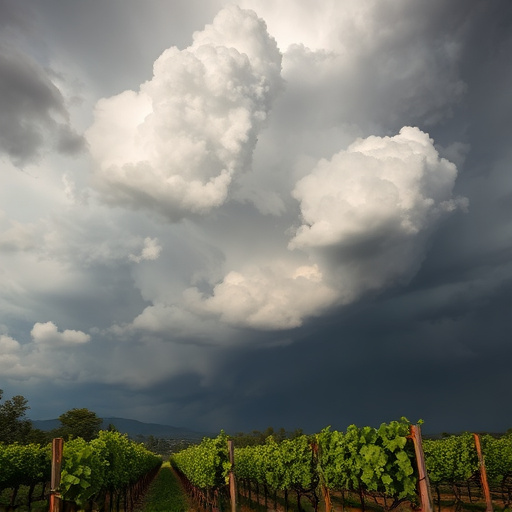
Exploring the inner workings of a vineyard offers wine enthusiasts a unique, up-close look at the alchemy that transforms grapes into the elixir we cherish. Understanding the intricate relationship between terroir, vines, and the region's unique climate achieves a deeper appreciation for the final product. This guide examines the heart of the Sonoita AVA history, a pioneer in Arizona's burgeoning wine industry, where the challenges of high desert grape growing are met with innovative solutions. We'll navigate through the seasonal rhythm, from the mysterious bud break to the critical veraison period, and unravel the complexities of vineyard sustainability, including managing pests and wildlife naturally. Prepare to discover the art and science behind crafting fine wines in the Sonoran Desert.
- Planning Your Vineyard Visit: Insights for Wine Enthusiasts
- Navigating the Vineyard Floor: Understanding Vine Health
- Managing Pests and Wildlife: Sustainable Vineyard Practices
- Tasting and Appreciating: The Art of Wine Assessment
Planning Your Vineyard Visit: Insights for Wine Enthusiasts
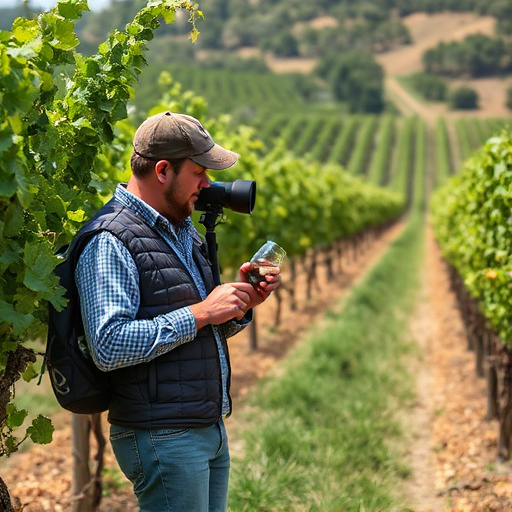
Planning your vineyard visit requires a strategic approach, especially when exploring the unique ecosystem of Sonoita vineyards. Elevations range from 4,000 to 5,000 feet, creating a high desert environment that significantly impacts grape growing. Understanding the terroir-the combination of soil, climate, and geography-is crucial for a meaningful experience. The soil types in Sonoita, characterized by their mineral content and drainage, play a pivotal role in shaping the flavor profiles of the grapes.
An electric van wine tour service in southern Arizona offers a sustainable and efficient way to visit multiple vineyards. These tours often cater to wine enthusiasts seeking an immersive experience, allowing them to learn about the region's unique grape varieties, such as Spanish and Italian cultivars that thrive in this climate. Timing is everything, especially with the monsoon season's unpredictable weather. Spring frosts can delay bud break, while monsoon rains, though beneficial for grapes, may also bring the risk of hail. Understanding these seasonal factors ensures a successful visit.
During your visit, you'll notice a variety of trellis systems and pruning techniques. Young vines may require more intensive care, including cover crops between rows to prevent soil erosion, while established, older vines are often left to their own devices. Despite these varying practices, one constant is the vigilant monitoring of vineyard pests and wildlife. Birds, for instance, can be a nuisance, necessitating netting to protect the delicate grapes. An experienced guide will also share insights on the challenges of irrigation in desert vineyards and the innovative rootstock and grafting methods used to ensure healthy, productive vines. By the end of your visit, you'll gain a deeper appreciation for the art and science behind winemaking, from the vineyard to the bottle.
Navigating the Vineyard Floor: Understanding Vine Health
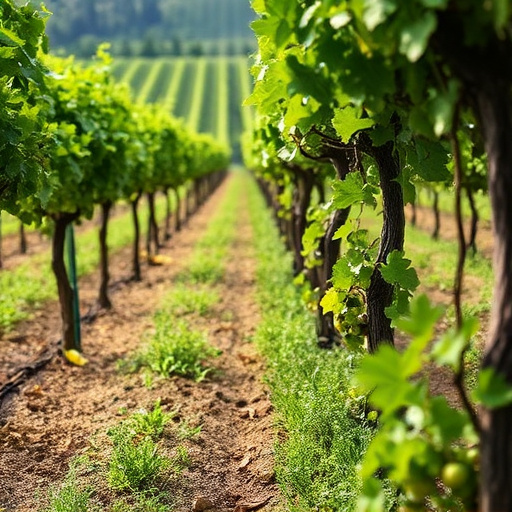
Navigating the vineyard floor offers an intimate perspective on the health and vitality of the grapevines, providing insights into the intricate balance of nature that goes into crafting exceptional wine. In the heart of Sonoita AVA, the diverse ecosystem supports not only thriving grapevines but also a rich array of wildlife and pests that play a crucial role in the region's unique terroir. Understanding this dynamic relationship is essential for both wine enthusiasts and those interested in sustainable agriculture.
Eco Buzz Tours' experienced guides often point out specific examples of vine health while conducting vineyard walks. Observing the difference between young and old vines reveals signs of stress or robust growth. Young vines may exhibit smaller leaves and sturdier canes, while established vines often display larger leaves, indicative of a more stable root system. This is a stark contrast to the challenge of establishing new vines in the desert environment, where irrigation systems must be carefully managed to avoid waterlogging or drought stress.
The vintage variation in Sonoita is also influenced by the region's natural pests and wildlife. Birds, for example, can be a nuisance, but their presence also indicates a healthy ecosystem. Netting over vines is a common practice to protect the grapes from bird damage, but not all birds pose a threat. Some species, like the Arizona Cardinal, are beneficial pollinators. Similarly, certain insects are crucial for pollination, while others can spread disease or damage the vines. Understanding these interactions is key to sustainable vineyard management.
Regular pruning and trellis systems are essential for maintaining vine health and maximizing yield. Pruning in winter helps shape the vine, allowing for better airflow and sunlight penetration. Trellis systems support the vines, providing structure and training them to grow in a way that optimizes fruit exposure to the sun and facilitates easy harvesting. By understanding these practices and observing their effects on the vineyard floor, visitors gain a deeper appreciation for the art and science behind winemaking in Sonoita.
Managing Pests and Wildlife: Sustainable Vineyard Practices
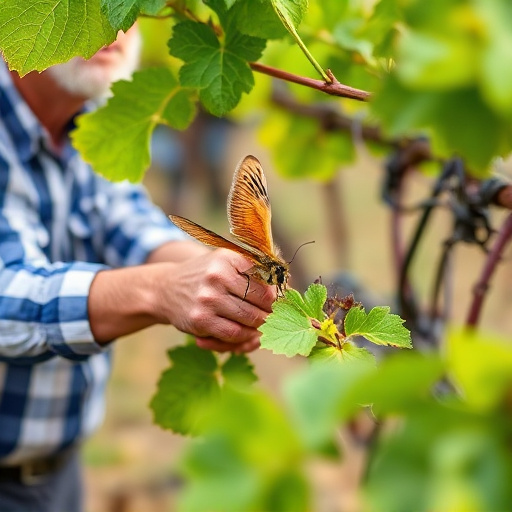
Managing vineyard pests and wildlife is a crucial aspect of sustainable wine production, especially in the unique ecosystem of Sonoita vineyards. With varying elevations and soil types, these high desert vineyards attract a diverse range of creatures, from birds and beneficial insects to more harmful pests. Understanding this dynamic ecosystem is key for wine enthusiasts and tour guides alike, as it influences every step from bud break to harvest.
One of the most visible practices is the use of netting to protect young grapevines from birds during critical growth periods. The local Tucson wine tour operator often emphasizes this during their Sonoita vineyard walks, highlighting the delicate balance between allowing nature to take its course and ensuring the grapes reach harvest. Certain native bird species are known to feast on grape buds and fruits, so netting is a common practice to prevent significant crop loss. Similarly, managing pests like aphids and spider mites is essential, as these can spread quickly and negatively impact the health of the vines.
Sustainable vineyard management also includes employing rootstock and grafting techniques to strengthen vines against local pests and diseases. This practice involves combining a disease-resistant root system with a desirable grape variety, allowing for healthier growth and increased harvests. Cover crops between vines provide natural pest control and prevent soil erosion, showcasing how vineyard sustainability practices benefit both the grapes and the environment. The Sonoita AVA history is rich in these innovative farming techniques, reflecting the region's commitment to producing high-quality wines while preserving its unique terroir.
Tasting and Appreciating: The Art of Wine Assessment

When you visit vineyards in Sonoita, the art of wine assessment goes far beyond simply tasting. It involves a multi-sensory experience that connects you to the terroir, the history, and even the unique ecosystem of the region. The soil, the climate, and the various pests and wildlife all play their part in shaping the final product. The grassland surrounding the vineyards can influence the sun exposure and wind patterns, affecting grape ripening.
Tasting wine is a skill that can be honed with practice. Pay attention to the aroma, the body, and the finish. Eco Buzz Tours recommends taking your time to observe the nuances of each wine. The subtle differences in taste can tell you a lot about the vineyard's conditions and the winemaking process. A wine with earthy notes might suggest a vineyard with a rich, mineral-infused soil, while a fruity aroma could indicate a warmer climate.
Harvest time in Sonoita is a crucial period. The timing of the harvest can significantly impact the wine's character. The key is to understand the concept of veraison, the period during bud break when grapes change color and accumulate sugars. The best tours will guide you through this process, explaining how the grapes' journey from vineyard to bottle is affected by the local conditions and practices. Many of the vineyards in Sonoita, particularly those in the high desert, rely on careful irrigation and innovative techniques like rootstock and grafting to combat the challenges posed by the unique Sonoita terroir.
One of the most fascinating aspects of vineyard visits is learning about the ecosystem. The local wildlife, from birds to insects, can be both a friend and a foe to the grapes. Some birds and netting are natural parts of the landscape, but too many pests can damage the crop. Understanding these dynamics provides insight into the sustainable practices employed by the wineries. The use of cover crops between vines can attract beneficial insects, helping to control the pest population naturally. This knowledge enriches your experience, turning a simple wine tour into an educational journey through the heart of Sonoita's vibrant and resilient wine culture.
Frequently Asked Questions About a Guide to Visiting Vineyards and Seeing the Vines Up Close
What is the best time of year to visit Arizona vineyards?
The optimal time to experience Arizona's vineyards and enjoy the vines in full bloom is during the spring (March to May). This season offers mild temperatures, making it ideal for exploring outdoor spaces. The region's diverse microclimates mean some wineries may offer tastings and tours year-round, but spring provides the most vibrant and picturesque setting. Keep in mind that fall (September to November) is also popular for its cooler weather and beautiful foliage.
Do I need to make reservations for a vineyard tour?
While some larger wineries may not require reservations, it's highly recommended to book in advance, especially during peak seasons. Eco Buzz Tours, for instance, offers private and small-group tours, and reservations ensure a more personalized experience. A local Tucson wine tour operator may also require pre-booking to coordinate transportation and guide services.
Can I learn about the wine-making process during my visit?
Absolutely. Many Arizona wineries welcome visitors to learn about their unique vinification processes. Some offer guided tours that walk you through the vineyards, explain grape varieties, and showcase the art of winemaking. A local guide who drives guests to Sonoita and Elgin wineries can provide detailed insights into the region's distinct wine-making traditions.
What should I wear during a vineyard tour?
Dress for the weather and comfort. Spring and fall temperatures can vary, so wear layers. Closed-toe shoes are essential as you'll be walking through vineyards, and sun protection (hat, sunglasses) is crucial during the warmer months.
Are electric van wine tours available in southern Arizona?
Yes, Eco Buzz Tours specializes in electric van wine tours, providing a sustainable and eco-friendly way to explore Arizona's wine country. This option is not only environmentally conscious but also offers a unique and modern way to experience the vineyards.
Can I combine a vineyard tour with other local activities?
Absolutely. Tucson and its surrounding wine-growing regions offer a variety of attractions. You can pair a vineyard tour with a brewery visit, enjoy local cuisine, or explore nearby hiking trails. A local tour operator can help you create a customized itinerary to make the most of your time in the area.
Are there any specific regulations or guidelines for visiting the vineyards?
Some wineries may have specific rules regarding photography, especially in sensitive areas. Always respect private property and follow the guidelines provided by the tour operator or winery staff. Be mindful of any local regulations regarding noise levels and behavior to ensure a positive experience for all visitors.
Planning a vineyard visit offers a unique opportunity to examine the intricate world of wine production. By understanding the key aspects discussed-from navigating the vineyard floor to managing pests and wildlife-wine enthusiasts can gain invaluable insights into the art and science behind crafting fine wines.
The health of the vines directly impacts the quality of the grapes, and thus, the final product. Recognizing the signs of optimal vine health and understanding the challenges posed by pests and wildlife are essential skills for any visitor. Eco Buzz Tours' guided tours, for instance, emphasize these aspects, providing valuable knowledge for beginners and experienced enthusiasts alike.
When appreciating the wine, remember that the journey from vineyard to bottle is a complex process. Consider the unique terroir, the specific grape varieties, and the care taken in harvesting and winemaking. By understanding these factors, you can better appreciate the craftsmanship that goes into each bottle, making your vineyard visit an enriching and memorable experience.
As you plan your next trip, keep these key learnings in mind. Whether you're a seasoned connoisseur or a curious beginner, exploring Sonoita's vineyards offers a chance to connect with the land and the traditions that have shaped this vibrant wine region.
Planning a vineyard visit in Sonoita, Arizona, requires understanding the region's unique ecosystem, with its high elevations, varied soil types, and monsoon climate. The terroir, shaped by these factors, influences grape flavors. Electric van tours offer an efficient way to visit multiple vineyards, where you can learn about local grape varieties and seasonal challenges. Observing vineyard management practices, from trellis systems to pest control, provides insights into sustainable agriculture and the art of winemaking. Timing is crucial, considering spring frosts and monsoon rains. By engaging with experienced guides, you gain a deeper appreciation for the science and art behind Sonoita's exceptional wines.