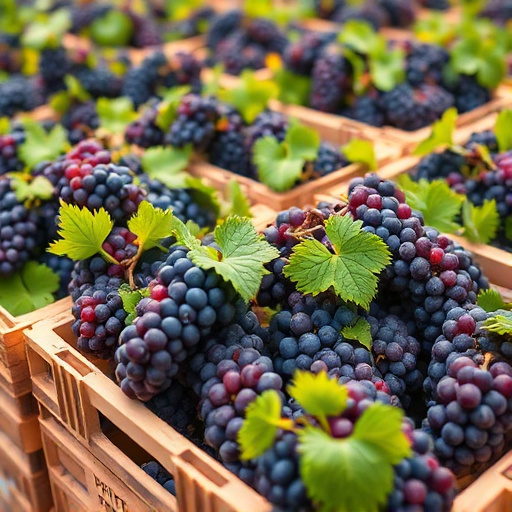
Arizona's thriving wine industry is a sign of the state's unique grape-growing conditions. The Sonoita AVA, a historic wine region in the heart of the Sonoran Desert, stands out for its distinct terroir, high elevations, and challenging climate. Grape growers here must navigate spring frosts, monsoon seasons, and the delicate dance of bud break to produce exceptional fruit. Hand picking grapes is a crucial art in this environment, ensuring only the ripest berries make it to the vineyard walks and tours that Eco Buzz Tours offers. This article examines the intricacies of Arizona grape cultivation, from the soil and grape varieties to the challenges and rewards of growing high-quality grapes in the desert.
- Understanding Arizona's Grape Growing Conditions
- The Art of Hand Picking: A Natural Approach
- From Vineyard to Bottle: Local Wine Production
- Exploring Sonoita AVA: A Grape Grower's Perspective
Understanding Arizona's Grape Growing Conditions
Understanding Arizona's Grape Growing Conditions
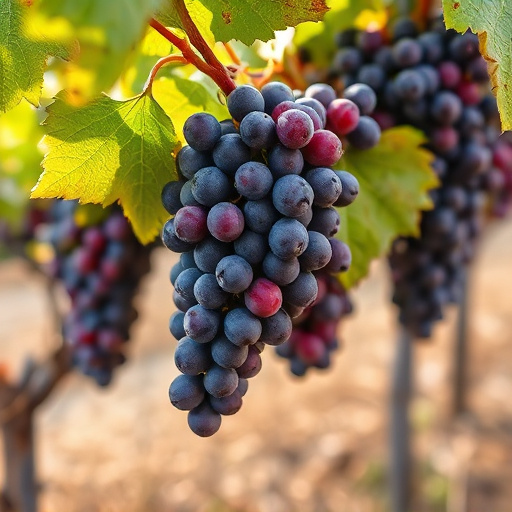
Arizona's high desert terroir presents unique challenges and opportunities for grape cultivation. Unlike more temperate regions, grapevines in Sonoita, known for its vibrant AVA, must adapt to distinct cycles and conditions. The hot, dry summers and mild winters create a demanding environment, but one that has fostered a thriving wine industry. This section examines the practical aspects of grape growing here, focusing on why hand picking grapes is essential and how it contributes to the region's distinctive wine character.
The Sonoita region is characterized by grassland vineyards, where expansive, open spaces allow for optimal sun exposure. However, this also means vines must compete for water and nutrients. The soil types, varying from sandy to loamy, play a crucial role in drainage and nutrient retention. Winemakers in this area carefully monitor these factors, often employing cover crops between vines to improve soil health. Understanding the terroir is paramount for success; it dictates the grape varieties best suited for the region, with Spanish and Italian grapes, such as Tempranillo and Sangiovese, thriving in these conditions.
Hand picking grapes is not just a traditional practice in Arizona; it's a necessity given the delicate nature of the fruit. During bud break in the spring, young vines are particularly susceptible to frost and hail damage. Winemakers must be vigilant, as spring frosts can significantly impact crop yield. As grapes mature, hand picking allows for careful selection, ensuring only fully ripened berries enter the vineyard walk and tour process. This meticulous approach ensures the highest quality fruit, ultimately contributing to the distinctive character of Sonoita wines. Engaging with a local Tucson winery and brewery tour company can offer visitors a deeper understanding of these nuances, providing insights into the unique challenges and rewards of grape growing in this remarkable region.
The Art of Hand Picking: A Natural Approach
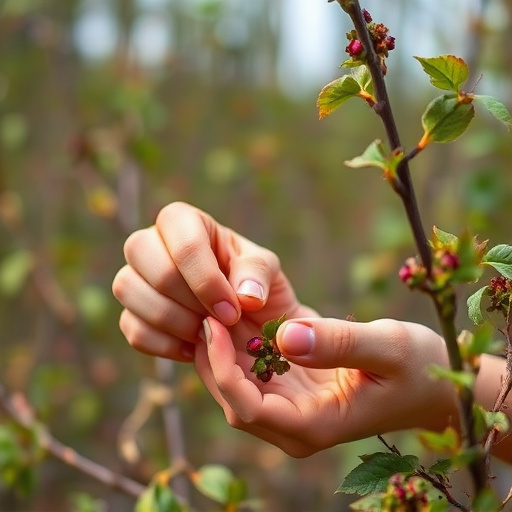
In the heart of southern Arizona's Sonoran Desert, Sonoita vineyards thrive on the region's unique terroir. Hand picking grapes naturally is a practice that respects this environment, allowing winemakers to select only the ripest, most delicate berries. Unlike mechanized methods, this labor-intensive process encourages selectivity and ensures grapes are picked at their optimal ripeness. A local guide driving guests in an electric van wine tour service through Sonoita and Elgin wineries might demonstrate this art, showcasing how hand picking enhances the final wine's character.
The grassland vineyards of Sonoita present unique challenges and opportunities. Winemakers must account for factors like low humidity and intense sun exposure, which can lead to rapid ripening. Hand pickers, often guided by the seasonal cycle, look for signs like bud break and veraison (the onset of grape ripening) to determine the best time to harvest. In a given year, the timing can vary significantly, influenced by the monsoon season and spring frosts. Despite these variables, the consistent use of hand picking in Sonoita vineyards has led to a reputation for high-quality grapes and distinctive wines.
Young vines and old vines react differently to hand picking. Younger vines, still establishing their root systems, may require more care and monitoring during the process. In contrast, established vines often show resilience and consistent quality after hand picking. Winemakers and tour guides alike emphasize the importance of pruning grapevines in winter to prepare for the upcoming growing season and ensure optimal fruit production. Trellis systems, carefully implemented, further support the vines and facilitate efficient hand picking.
Cover crops between vines not only enrich the soil but also provide habitat for beneficial insects, helping to manage vineyard pests and wildlife. Birds, a common vineyard visitor, can be a nuisance, but netting offers a solution. While irrigation is essential in the desert, winemakers must balance its use to avoid impacting the grapes' natural development. Rootstock and grafting are techniques employed to enhance grapevines' resistance to diseases and pests, contributing to the overall health and productivity of Sonoita's vineyards.
From Vineyard to Bottle: Local Wine Production
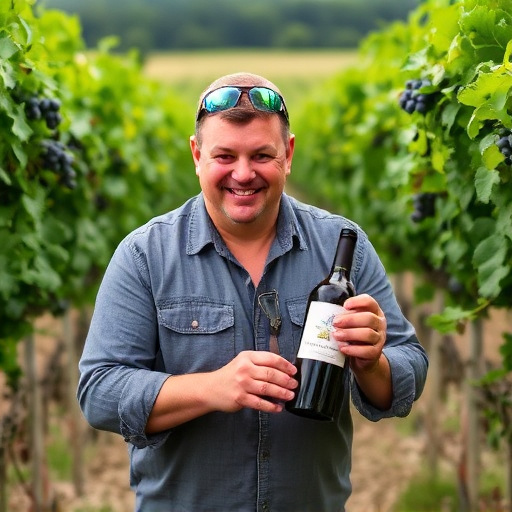
The journey from vibrant vineyard to contented glass is a dance of precision and patience, with each step meticulously crafted. In Southern Arizona's Sonoita AVA, renowned for its unique terroir and high desert climate, this dance is particularly captivating. Here, the process of transforming grapes into wine is an art form, with hand picking grapes playing a pivotal role.
Hand picking, a practice favored by many local winemakers, allows for a meticulous selection of only the ripest grapes. This labor-intensive method ensures that only the finest fruit makes its way into the winery. The timing of harvest is crucial, with grapes typically picked during the cool morning hours to preserve their delicate flavors and aromas. This practice is guided by a deep understanding of the local terroir-the distinctive characteristics of the soil and climate that influence the grapes' growth and flavor profile. The region's well-draining, mineral-rich soils contribute to the distinct mineral notes often found in local wines.
Vintage variation is another key aspect of Sonoita AVA wine production. The unpredictable nature of Arizona's weather, from the monsoons to the spring frosts, can significantly impact the grape's ripeness and flavor. Winemakers here must be adept at adapting their practices to each unique vintage, making every year's harvest a fresh and exciting exploration. The 'electric van wine tour service' that plies the roads between vineyards offers visitors a glimpse into this dynamic process, showcasing the region's commitment to sustainable and innovative wine-making practices.
As grapes transform from vibrant green to rich, dark purple, they undergo veraison, a period of intense flavor development. This is a crucial stage for winemakers, who closely monitor the grapes' progress, often employing techniques like hand picking to ensure the optimal moment for harvest. Each vintage, each vineyard, and each year brings its own unique challenges and rewards, making the journey from vineyard to bottle a changing tale of passion, science, and the distinctive character of the Sonoita AVA.
Exploring Sonoita AVA: A Grape Grower's Perspective
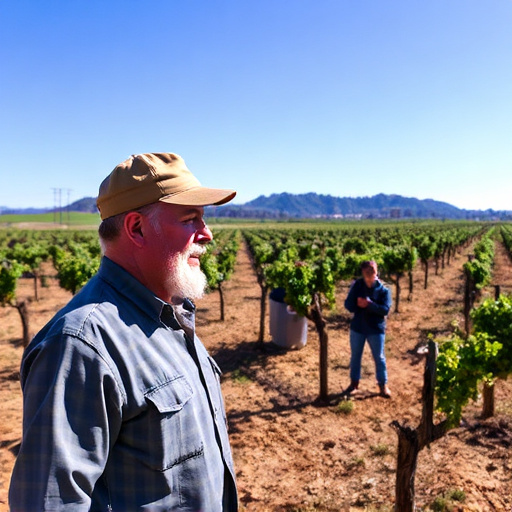
In the heart of Arizona's Sonoran Desert, Sonoita stands out as a viticulturist's paradise, renowned for its unique terroir that lends itself exquisitely to grape cultivation. For a small-scale wine tour guide leading visitors through these vineyards, understanding the rhythm of the season is crucial. From the moment the first buds break in spring, to the vibrant veraison period, and finally, the careful hand-picking of grapes in the fall, each step is a sign of the region's exceptional grape-growing conditions.
The vineyards in Sonoita, at elevations between 2,600 and 4,000 feet, benefit from the area's arid climate and well-drained, sandy soils. These conditions are particularly suited to grape varieties like Spanish and Italian strains, which thrive in the region's high desert environment. The monsoon season brings a critical period of rainfall, enhancing the grape's flavor profile. However, the guide must also be prepared for potential challenges, such as spring frosts that can damage tender buds, and the ever-present risk of hail during the growing season.
A key aspect of the tour guide's expertise lies in the art of hand-picking grapes. This meticulous process ensures only fully ripe, flavorful berries are selected, maximizing the quality of the final product. The guide will often point out the difference between young, vibrant vines and older, established ones, explaining how age impacts fruit production and terroir expression. They may discuss the practice of cover cropping between vines to preserve soil health and the use of specific rootstocks and grafting techniques to combat pests and diseases, further showcasing the innovative and sustainable practices common among Sonoita's grape growers.
Frequently Asked Questions About Plain Language Answers to Common Questions About Arizona Grape Growing
What are the best grape varieties for growing in Arizona?
Arizona's hot, dry climate is perfect for several grape varieties that thrive in warm conditions. Some of the best options include 'Zinfandel', known for its robust flavor and adaptability; 'Merlot', a popular choice for its deep, rich taste; and 'Chardonnay', which produces crisp, refreshing white grapes. 'Syrah' and 'Tempranillo' also perform well, offering unique, intense flavors. These varieties are chosen for their resistance to heat and disease, ensuring healthy, productive vines.
How do I prepare my land for grapevines?
Before planting, prepare the soil by mixing in organic matter to improve drainage and nutrient retention. Ensure your land has full sun exposure, as grapes need at least 8 hours of direct sunlight daily. Test the soil pH, as grapes prefer slightly acidic to neutral conditions (6.0-7.0). Clear the area of weeds and large rocks, and consider a layer of mulch to conserve moisture and suppress weeds. A soil test through your local agricultural extension can provide tailored recommendations.
What is the ideal planting time for grapes in Arizona?
The best time to plant grapevines in Arizona is during the late spring or early summer, after the last frost. This allows the vines to establish themselves before the hot summer months. Avoid planting during the hottest part of the year, as young vines require consistent moisture and cooler temperatures to get off to a healthy start.
How far apart should I plant grapevines?
For most grape varieties, plant vines 8 to 10 feet apart to allow sufficient space for growth and air circulation. This spacing ensures each vine receives adequate sunlight and can support a healthy canopy without crowding. Proper spacing is crucial for maximizing grape quality and yield.
What type of support system do grapes need in Arizona?
Grapes benefit from a sturdy support system, such as a trellis or wire fence, to help train the vines and keep them off the ground. In Arizona's windier areas, a more robust support structure may be necessary. Consider a two-wire system at shoulder height and a second wire below for better support. Regular training and pruning will guide the vines' growth and ensure optimal fruit exposure to sunlight.
How much water do grapevines require in Arizona?
Grapes need consistent but deep watering, especially during the first few years of growth. Aim for about 1 to 2 inches of water per week, including rainfall. In the hot summer months, deeper, less frequent watering is better than shallow, frequent watering. A drip irrigation system can efficiently deliver water directly to the roots, promoting deep root growth and overall vine health.
Understanding Arizona's unique grape-growing conditions, from the Sonoran Desert's terroir to the timing of bud break and harvest, is key to appreciating the region's wines. Practicing hand picking grapes naturally, a practice that ensures only the ripest fruits are selected, is a cornerstone of local wine production. The Sonoita AVA, with its specific soils and elevation, has fostered the growth of Spanish and Italian grape varieties, contributing to the distinct flavors of Arizona wines.
By exploring these aspects, from vineyard sustainability to the cover crops between vines, readers gain a comprehensive understanding of the journey from the vineyard to the bottle. This knowledge allows them to appreciate the craftsmanship behind the wines and make informed decisions as wine enthusiasts or consumers. Moving forward, applying these insights can enhance one's experience at local winery tours and potentially inspire the planting of new vineyards, contributing to the rich grape-growing heritage of Arizona.
In Tucson's Sonoita region, grape cultivation faces unique challenges from the high desert terroir. Hand picking grapes is essential for selecting the ripest, highest-quality fruit, ensuring distinctive wine character. This labor-intensive practice respects the environment, caters to the seasonal cycle, and enhances soil health through cover crops. Local tour guides showcase these techniques, offering visitors a deeper understanding of the region's unique wine-making traditions.