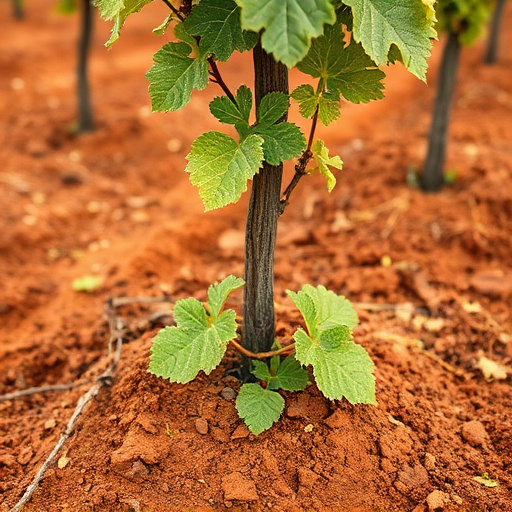
The Sonoita AVA, nestled in the heart of the Sonoran Desert, has emerged as a vibrant wine region, renowned for its unique terroir and high-quality grapes. Grape growing in this desert oasis presents a distinct set of challenges, from dealing with monsoon seasons and spring frosts to selecting the right grape varieties for the region's specific elevation and soil conditions. Understanding the history of grape cultivation here, including the evolution of techniques like hand picking grapes, offers valuable insights into the art and science behind Sonoita's thriving wine industry. This article examines the past, present, and future of grape growing in this remarkable Arizona wine region, providing a practical guide for wine enthusiasts and industry professionals alike.
- Early Viticulture: Seeds of Change in Sonoita
- Growing Pains: Establishing Roots in a New Climate
- Hand Picking Success: Crafting Sonoita's Unique Wines
- Sustainable Practices: Preserving the Land and Its Bounty
Early Viticulture: Seeds of Change in Sonoita
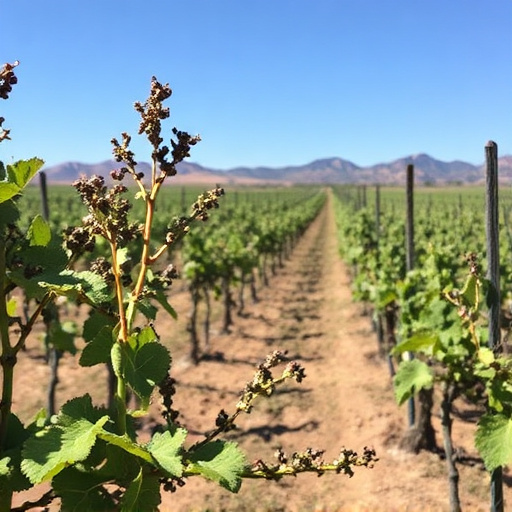
The history of grape growing in the Sonoita AVA is inextricably linked to the region's unique terroir-a blend of its Sonoran Desert environment, distinct soils, and the challenges and rewards of high desert viticulture. Early settlers in the 1800s brought grapevines to what would become known as Sonoita, introducing Spanish and Italian grape varieties that thrive in warmer climates. These early vines, planted at varying elevations, marked the beginning of a thriving vineyard ecosystem that would evolve over centuries.
Hand picking grapes was, and still is, a cornerstone of Sonoita's winemaking tradition. The region's vintage years, shaped by the unpredictable monsoon season and the delicate balance of warm days and cool nights, have produced some of the most memorable wines. The timing of harvest, a common question for visitors, has always been a critical decision for local vintners. Early adopters understood that waiting for the perfect ripeness, often late into the fall, could yield exceptional fruit. This attention to detail, from bud break to veraison, has been passed down through generations, refining Sonoita's grape-growing practices.
As the industry grew, so did the diversity of grape varieties. The region's ability to support both young and established vines, along with innovative techniques like rootstock and grafting, has allowed for a dynamic selection of grapes. Despite the challenges posed by pests, wildlife, and the occasional spring frost, Sonoita's vineyards have persevered. The area's natural grasslands and cover crops between the vines not only contribute to biodiversity but also enhance soil health and productivity. Even today, visitors can take an electric van wine tour service in southern Arizona to witness firsthand the art of grape cultivation and the craftsmanship that goes into crafting a bottle of Sonoita's distinctive wines.
Growing Pains: Establishing Roots in a New Climate
Establishing a thriving vineyard in the Sonoita AVA is no small feat. This high desert climate, characterized by hot, dry summers and cool, sometimes frosty winters, presents unique challenges for winemakers. The history of grape growing in this region is a sign of the perseverance and ingenuity of those who first dared to cultivate these delicate vines in such an environment.
Early efforts to establish vineyards in Sonoita faced significant growing pains. The soil, while rich in minerals, can be challenging, often requiring careful consideration of rootstock and grafting techniques. The lack of natural water sources necessitates efficient irrigation systems, and the region's vulnerability to monsoons and spring frosts adds an element of risk. Despite these hurdles, the first vines were planted, driven by the same spirit that fuels many pioneering endeavors: the desire for a unique terroir and the potential for exceptional wines.
Over time, local winemakers learned to navigate these challenges. Hand picking grapes became a crucial skill, allowing for the selection of only the ripest berries and ensuring the highest quality. As the industry matured, so too did the grape varieties introduced to the region. Italian and Spanish grapes, known for their adaptability and robust flavors, became staples, thriving in the Sonoita climate. This diverse array of grapes contributes to the distinct character of the local wines, reflecting the region's unique terroir.
A private wine tour company based in Tucson often emphasizes the importance of these vintage-specific experiences. Visiting Sonoita vineyards allows wine enthusiasts to witness firsthand the fruits of these labor-intensive efforts. Walking among the vines, observing the different stages of growth, and learning about the region's specific challenges and solutions offers a deeper understanding of the art and science of grape growing in the high desert. This hands-on approach to learning about Sonoita's terroir and winemaking traditions is invaluable, providing a truly immersive experience.
Hand Picking Success: Crafting Sonoita's Unique Wines
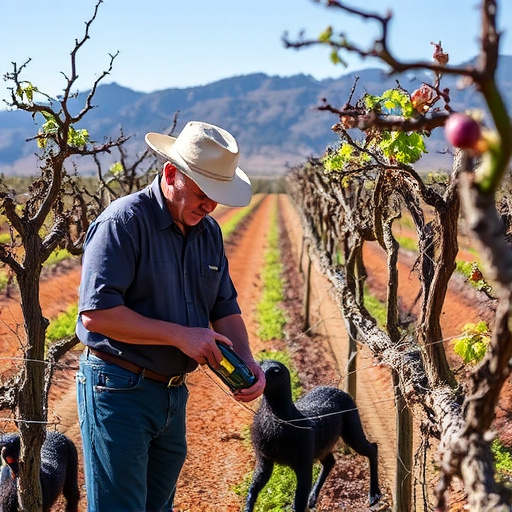
The success of Sonoita's unique wines is inextricably linked to the meticulous process of hand picking grapes. This small Arizona wine region, nestled in the Sonoran Desert, boasts a terroir that demands a personalized touch during harvest. Unlike mechanized operations, hand picking allows for a nuanced understanding of each grape, ensuring only the best make it into the bottle.
Sonoita's vineyards, often characterized as grassland, present unique challenges. The hot, dry climate and unpredictable monsoon seasons dictate careful timing. Hand pickers must be attuned to the subtle cues of bud break, veraison, and the perfect ripening window. Spanish and Italian grape varieties, well-suited to this high desert environment, require precise handling. They mature quickly, and the risk of spring frosts or hail adds to the complexity. Skilled pickers navigate these obstacles, selecting only the fully ripe grapes to maintain the region's distinctive flavor profile.
The process is labor-intensive, but it pays dividends. A Tucson winery and brewery tour company leading visitors through Sonoita's vineyards explains that hand picking allows for a more nuanced wine. It enables winemakers to craft distinct blends, highlighting the unique characteristics of each vineyard. This traditional method promotes vineyard sustainability. By carefully selecting and pruning grapevines, particularly in older plots, experts preserve the health of the vines and ensure the future of Sonoita's renowned wine production. This dedication to quality is what makes Sonoita's wines stand out, even among Arizona's diverse wine offerings.
Sustainable Practices: Preserving the Land and Its Bounty
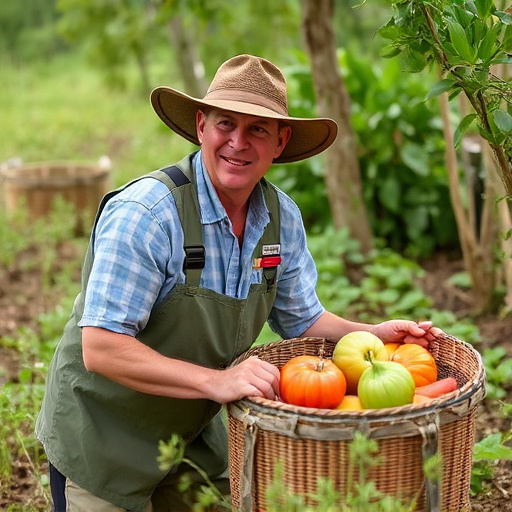
The Sonoita AVA's history of grape growing is inextricably linked to the region's unique terroir and the sustainable practices employed by its vineyards. Located in the heart of the Sonoran Desert, at elevations ranging from 1,800 to 3,200 feet, Sonoita's soils are rich in minerals, perfectly suited to a variety of grapevines. Over the years, local winemakers have embraced sustainable practices that preserve the land and its bounty, ensuring the region's continued prosperity.
One of the most significant practices is hand picking grapes. This meticulous process allows for a selective harvest, ensuring only the ripest fruits make their way into the winery. Local winemakers also employ organic and biodynamic farming methods, avoiding synthetic pesticides and fertilizers. By fostering a harmonious relationship with the land, these practices promote healthy vines and result in high-quality grapes. A Tucson winery and brewery tour company operating in Sonoita may emphasize these sustainable practices in their tours, providing visitors with an insight into the care and attention given to each vintage.
Cover crops between the vines play a crucial role in maintaining soil health and preventing erosion. These cover crops also provide habitat for beneficial insects, helping to control pests naturally. Pruning grapevines during the winter months is another essential practice, allowing winemakers to shape the vines and ensure optimal sunlight exposure for the following year's crop. These sustainable techniques, combined with the region's exceptional terroir, contribute to the exceptional wines that have made Sonoita a sought-after destination for wine enthusiasts.
The elevation and desert climate present unique challenges, such as the risk of hail and spring frosts. However, winemakers have adapted by implementing trellis systems that offer protection from these elements. They also closely monitor UV exposure, knowing that it affects grape skin thickness and flavor development. By understanding these factors, Sonoita's grape growers can make informed decisions, ensuring each vintage captures the region's distinct character.
Frequently Asked Questions About a History of Grape Growing in the Sonoita AVA
What is the Sonoita AVA, and why is it significant for grape growing?
The Sonoita American Viticultural Area (AVA) is a designated wine-growing region in southern Arizona, known for its unique terroir and diverse microclimates. Its significance for grape growing stems from its ideal conditions for cultivating a range of wine grape varieties. The region's high elevation, sunny days, and cool nights foster the ripening of grapes, resulting in high-quality, distinctive wines.
When did grape growing begin in Sonoita?
Grape growing in Sonoita dates back to the late 19th century, when early settlers introduced grapevines to the region. However, it gained momentum in the 1970s when a group of visionary winemakers recognized the area's potential and began planting vineyards. This period marked the beginning of Sonoita's transformation into a thriving wine-producing region.
What grape varieties are commonly grown in the Sonoita AVA?
The Sonoita AVA is renowned for its diverse grape varieties, including Zinfandel, Cabernet Sauvignon, Merlot, Syrah, and Chardonnay. Each variety thrives in the region's specific microclimates, allowing for a wide range of wine styles, from robust reds to crisp whites. This diversity is one of the key factors contributing to Sonoita's unique wine character.
How has the wine industry in Sonoita evolved over the years?
Over the years, the wine industry in Sonoita has witnessed significant growth and development. What started as a small cluster of vineyards has evolved into a thriving community of wineries and vineyards. The region's increasing popularity has led to the establishment of wine tours, festivals, and events, attracting wine enthusiasts from around the world.
What makes the Sonoita AVA unique compared to other wine regions?
What sets the Sonoita AVA apart is its combination of geography, climate, and history. The region's high elevation, desert landscape, and unique soil composition create a distinct terroir, resulting in wines with characteristic flavors and aromas. Sonoita's long growing season and consistent diurnal temperature variations contribute to the exceptional quality of its grapes.
Are there any notable wineries or winemakers in the Sonoita AVA?
Absolutely. The Sonoita AVA boasts several notable wineries and winemakers who have played pivotal roles in shaping the region's wine reputation. Among them, Calistoga Winery, Granito Vineyards, and Sandleford Vineyards are known for their exceptional wines and commitment to sustainable practices. These wineries have helped put Sonoita on the international wine map.
The history of grape growing in the Sonoita AVA is a sign of the resilience of vines and the dedication of farmers. From the early seeds of change, where viticulture faced growing pains in this new climate, to the present day, Sonoita has established itself as a unique and successful wine region. Hand picking grapes has been a cornerstone of this success, allowing for meticulous care and the crafting of distinct, high-quality wines. The region's sustainable practices, including cover crops between vines and responsible irrigation, have preserved the land's terroir, ensuring its bounty for future generations. By understanding and embracing these practices, visitors can gain a deeper appreciation for the Sonoita AVA and its vibrant wine culture.
The Sonoita AVA's grape-growing history is characterized by:
- Terroir: Unique blend of Sonoran Desert environment, distinct soils, and challenges of high desert viticulture.
- Early Vines: Introduced Spanish and Italian grape varieties in the 1800s, establishing a thriving ecosystem.
- Hand Picking: Core practice, allowing for quality control, ripeness selection, and exceptional fruit.
- Sustainable Practices: Organic/biodynamic farming, cover crops, pruning, and trellis systems preserve soil health and land.
- Vintage Challenges: Overcome through attentive care, understanding climate, and adapting to risks like frost.
- Result: Distinctive wines recognized for their character and quality.