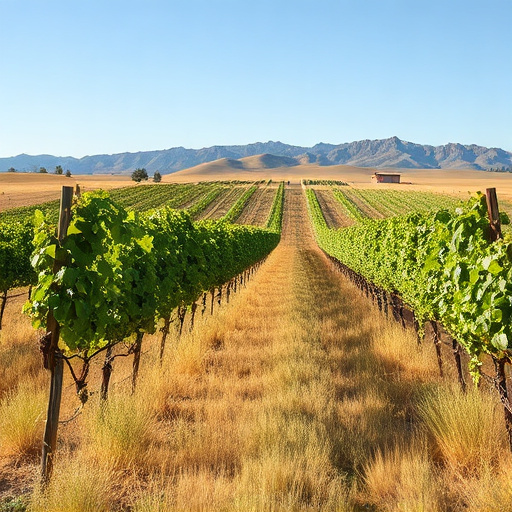
Grapes thriving in the high desert of Sonoita, Arizona, defy expectations. The region's unique Sonoita soils and terroir, shaped by the Sonoran Desert environment, offer a challenging yet ideal setting for winemaking. Understanding how grapes grow here, from the first bud break in spring to the careful harvest under the summer sun, reveals a fascinating dance between the vine, the land, and the climate. This article examines the secrets behind Sonoita's renowned wine industry, exploring the specific challenges and practices that allow for the cultivation of high-quality grapes in this seemingly inhospitable desert setting. We'll uncover the reasons why Spanish and Italian grape varieties thrive here and how local winemakers navigate the monsoon season, spring frosts, and other natural variables to produce exceptional wines.
- Sonoita's Unique Soils: Foundation for Grape Growth
- Climate & Sunlight: Perfecting the Desert Vintage
- Water Management: Taming the Arid Landscape
- Terroir to Taste: Crafting Sonoita's Distinct Wines
Sonoita's Unique Soils: Foundation for Grape Growth
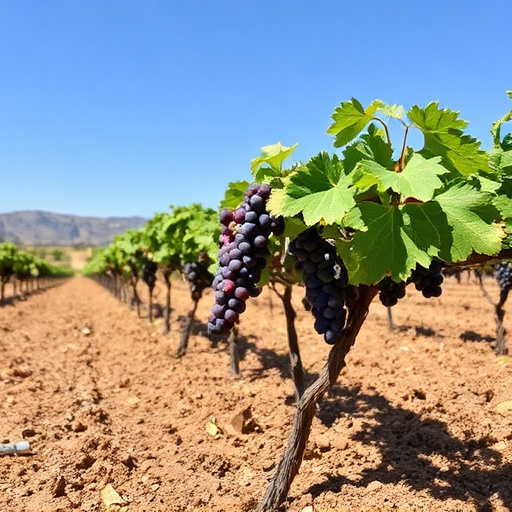
The soil beneath the Sonoran Desert's arid surface is where the magic of Sonoita's grapes truly begins. These aren't your typical vineyards; the grapes grown here thrive in an environment that calls for resilience and adaptability. The Sonoita soils and terroir, shaped by millions of years of desert dynamics, provide the perfect foundation for viticulture.
Soil types in Sonoita vary, from sandy loams to clay-rich soils, each with its own unique characteristics. These variations influence how water is retained, how nutrients are absorbed, and even the flavor profile of the grapes. Sandy soils, while allowing for excellent drainage, can lead to lower sugar levels in the grapes, while clay-rich soils tend to foster richer, more complex flavors. A small group Sonoita wine tour guide often points out these subtle differences to wine enthusiasts, explaining how they contribute to the distinct character of each vineyard's wine.
The terroir of Sonoita, encompassing not just the soil but also the climate and geography, creates a microclimate ideal for specific grape varieties. This is why you'll find a diverse range of grapes thriving here, from Spanish and Italian varieties like Tempranillo and Sangiovese, which are well-suited to the region's high desert conditions, to French and German grapes that have been selected for their ability to withstand the region's unique challenges. Understanding these factors is key to appreciating the nuanced flavors and aromas that each vintage from Sonoita brings to the table.
Climate & Sunlight: Perfecting the Desert Vintage
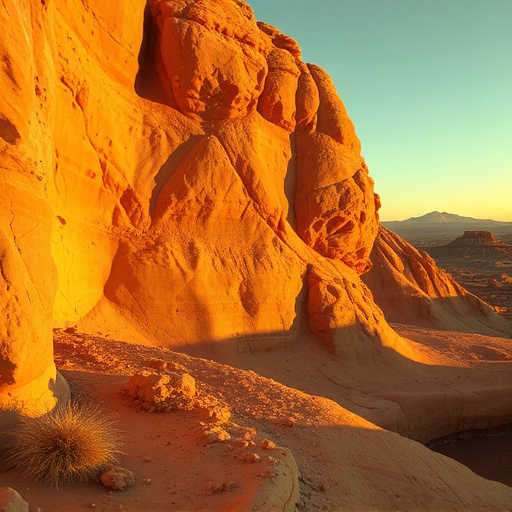
The high desert climate of Sonoita, characterized by its unique combination of elevation and soil composition, plays a pivotal role in shaping the grapes that thrive here. The region's terroir, a term that encompasses the natural environment, from soil to sunlight, creates ideal conditions for specific grape varieties to flourish. This, in turn, contributes to the distinctive flavors and aromas found in the wines produced in the Sonoita AVA.
In this desert vineyard ecosystem, the annual cycle begins with bud break, usually occurring in late March to early April. As the young vines emerge from their dormancy, they are particularly vulnerable to spring frosts, which can be a significant challenge for winemakers. However, the region's higher elevation often provides a bit of protection from these freezes. The growing season then unfolds against a backdrop of intense, scorching sunlight, with grapes receiving up to 10 hours of direct sunlight daily during the peak summer months. This extended exposure is a double-edged sword, promoting robust sugar development in the grapes but also demanding meticulous irrigation management to prevent over-maturation and preserve acidity.
The vintage in Sonoita is a delicate dance between weather conditions and the winemaker's art. A late heatwave can accelerate ripening, while a sudden monsoon shower can cool the grapes and preserve acidity. Hand-picking becomes crucial in this environment, as the optimal harvest time can vary significantly from year to year. A local guide who drives guests to Sonoita and Elgin wineries can provide valuable insights into these nuances, ensuring visitors experience the region's unique terroir and taste the distinct character of each vintage. Understanding the relationship between Sonoita soils and terroir is essential for both winemakers and wine enthusiasts. This knowledge allows for a deeper appreciation of the challenges and rewards of high desert grape growing in Sonoita.
Water Management: Taming the Arid Landscape
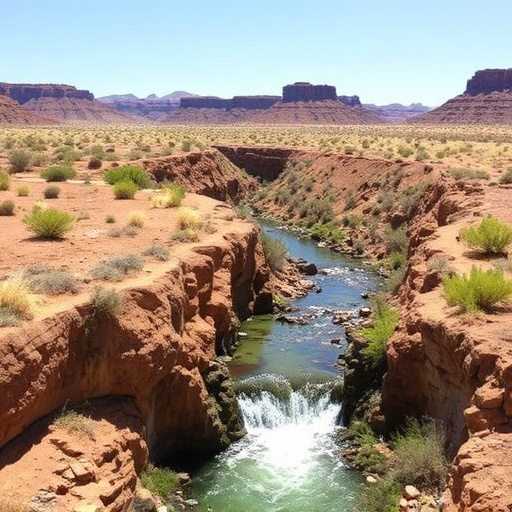
In the heart of the Sonoran Desert, the unique Sonoita soils and terroir defy expectations, nurturing thriving vineyards at elevations of up to 4,000 feet. High desert conditions, characterized by intense sun, low humidity, and minimal rainfall, demand creative water management strategies. This is where the true art of grape cultivation in Sonoita reveals itself.
Water, or its lack thereof, is the defining factor in this landscape. Vineyards in Sonoita must be carefully designed and managed to thrive in this arid environment. Local winemakers have harnessed the power of both natural and applied solutions. Many are opting for drip irrigation systems that deliver water directly to the roots, minimizing waste and ensuring grapes receive the necessary hydration. This method, while more labor-intensive, has proven effective in maintaining optimal grape health and quality. The strategic placement of cover crops between vines helps to anchor the soil, reduce erosion, and further conserve water.
A small group Sonoita wine tour guide often points out to curious visitors that the key to successful grape growing in this region is not just about water but also about timing. Spring frosts can be devastating to young vines, so winemakers carefully monitor the season and use protective netting to shield delicate buds. Conversely, during veraison, the grape-ripening period, the challenge shifts to managing the intense summer sun and UV exposure. This is where the choice of grape varieties becomes critical. Spanish and Italian grapes, known for their heat tolerance, thrive in the Sonoita climate, producing distinctive flavors that capture the unique character of this high desert AVA.
As the region's wine industry grows, so does the emphasis on sustainable vineyard practices. Many winemakers are experimenting with different rootstocks and grafting techniques to create more resilient vines. This approach not only ensures the long-term health of the vineyards but also contributes to the overall ecosystem. By understanding and respecting the Sonoita soils and terroir, these dedicated winemakers are crafting wines that truly reflect the character of the region, all while taming the challenges of the high desert.
Terroir to Taste: Crafting Sonoita's Distinct Wines
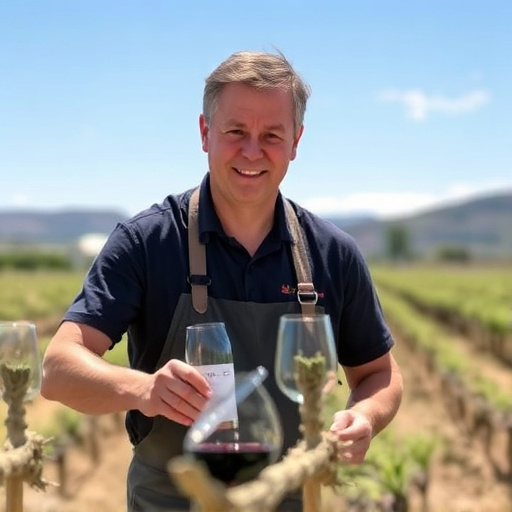
The distinct character of Sonoita wines begins in the soil and extends through every step of the winemaking process. This high desert region, with its unique Sonoita soils and terroir, plays a crucial role in shaping the flavors and aromas of the grapes that become these renowned wines. The terrain, elevation, and climate create a challenging yet ideal environment for viticulture.
Terroir, a French term that encompasses the geological, climatic, and human factors influencing a vineyard, is the key to understanding the style and quality of the final product. In Sonoita, the soil types vary from granite-based to sandy loam, each contributing unique mineral notes to the grapes. The region's elevation, typically between 2,600 and 4,000 feet, moderates temperatures, allowing for a long growing season and gradual ripening. The hot, dry summers and cool, crisp winters further accentuate the terroir, leading to well-balanced, complex wines.
Grapes in Sonoita experience a journey from bud break in spring, when the vines burst into life, to harvest in the fall. Spanish and Italian grape varieties, such as Tempranillo and Sangiovese, thrive here due to their adaptability to the high desert conditions. Eco Buzz Tours and other local guides often point out the differences between young and established vines; the latter, having developed deeper root systems, show resilience and a richer flavor profile. Vineyard walks offer visitors a chance to observe the intricate trellis systems and the careful management of cover crops between the vines, both essential practices for sustainable grape growing in this unique environment.
The monsoon season brings both benefits and challenges. While it aids in quenching the thirst of the vines during the dry summer, excessive rainfall can lead to spring frosts and the risk of hail, requiring careful monitoring and sometimes protective netting. Pruning and grafting, essential techniques in desert vineyards, are practiced to ensure the health and longevity of the vines. These practices, combined with the unique Sonoita soils and terroir, result in a diverse range of wines that capture the essence of this remarkable high desert wine region.
Frequently Asked Questions About an explainer on how grapes grow in high desert Sonoita
What makes the high desert in Sonoita unique for grape cultivation?
The high desert environment in Sonoita, characterized by its arid climate, low humidity, and minimal rainfall, presents distinct challenges for grape growing. Yet, local winemakers have successfully adapted to these conditions, cultivating specific grape varieties that thrive in these harsh conditions. The region's long, hot days and cool nights create an ideal balance for sugar accumulation and acid retention in the grapes, resulting in distinctively flavored wines.
How do grapevines survive the extreme temperatures?
Grapevines in Sonoita are selected and trained for their hardiness. Many local varieties have thick skins that protect the fruit from excessive sun exposure and heat. Deep root systems access water from far below the surface, ensuring the vines receive enough hydration even during prolonged droughts. Some winemakers also employ techniques like canopy management, pruning, and trellising to maximize sunlight exposure, control growth, and reduce water stress.
What are some of the common grape varieties grown in Sonoita?
While a variety of grapes flourish in the high desert, certain types have become synonymous with the region. Zinfandel thrives in Sonoita's warm climate, producing rich, fruit-forward wines. Grenache and Syrah are also widely cultivated, known for their robust flavors and aromas. Viognier adds a touch of elegance with its floral notes and full body.
What sets Sonoita wines apart from other Arizona wines?
Sonoita's high desert terroir, characterized by its unique soil composition, extreme temperatures, and low humidity, imparts distinct characteristics to the region's wines. This terroir contributes to concentrated flavors, higher acidity, and robust tannins in the grapes, resulting in wines that are both distinctive and memorable. Sonoita's smaller scale and focus on quality craftsmanship set its wines apart from larger production operations.
How do local winemakers ensure sustainable practices in Sonoita's harsh environment?
Sustainability is a key priority for many Sonoita winemakers. They employ practices like organic farming methods, minimal use of chemicals, and water conservation techniques. Hand-picking grapes allows for selective harvesting, ensuring only the ripest fruit is collected. Some winemakers also utilize solar energy for power and focus on reducing their overall environmental footprint.
Understanding the unique Sonoita soils and terroir is crucial for appreciating the art of high desert grape growing. This region's specific conditions, from the intense sunlight to the limited water availability, create a distinct set of challenges and opportunities for winemakers. By harnessing these factors, Sonoita AVA has established itself as a premier wine-growing area, renowned for its exceptional, terroir-driven wines.
The key to success lies in the delicate balance of these elements. The region's hot, dry climate requires careful water management, often relying on innovative irrigation techniques to quench the vines' thirst. Yet, this same climate contributes to the rich, complex flavors that characterize Sonoita wines, as the intense sun ripens the grapes to perfection.
The choice of grape varieties and rootstock plays a vital role. Spanish and Italian grape varieties, well-adapted to the region's conditions, thrive in these high desert vineyards, producing remarkable fruit that becomes exquisite wines. This, combined with strategic grafting, ensures the health and longevity of the vines, contributing to the overall sustainability of the industry.
Finally, the practical application of these insights is clear. Whether you're a wine enthusiast on a Sonoita vineyard tour or a winemaker considering planting a new vineyard, understanding the unique terroir and its impact on the wine-making process is essential. By embracing the challenges and leveraging the region's strengths, it's possible to produce world-class wines that truly reflect the spirit of this remarkable high desert AVA.
Sonoita's Grape Growth: Soil, Terroir, and Desert Challenges
Sonoita's unique soils and terroir cultivate high-quality grapes in the Sonoran Desert. Variations in soil types, from sandy loams to clay-rich, influence grape flavor and health. The region's microclimate, shaped by elevation, sunlight, and monsoon seasons, supports diverse grape varieties, including Spanish and Italian types. Winemakers navigate challenges like spring frosts, summer heat, and water scarcity through irrigation management, cover crops, and rootstock choices, resulting in distinctive, terroir-driven wines. Understanding these factors is key to appreciating Sonoita's exceptional vintage wines.