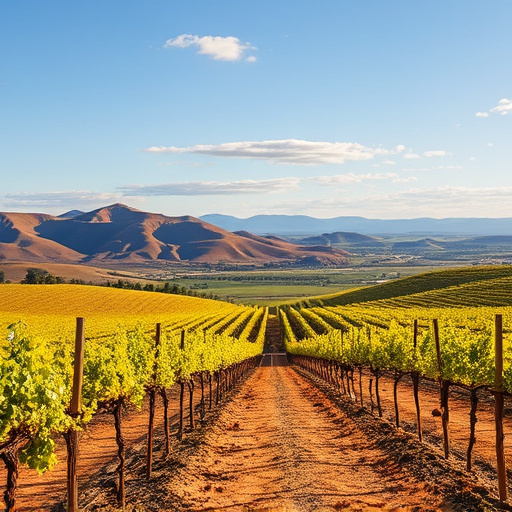
The vineyards of Sonoita, Arizona (explore this topic), within the Sonoran Desert, thrive due to diverse microclimates and unique soil profiles, resulting in high-quality, terroir-driven wines. Each AVA offers distinct growing conditions influencing grape varieties and wine characteristics. Winemakers harness these elements, prioritizing minimal intervention for authentic expressions of the land. Visitors can explore these vineyards Sonoita az naturally, engaging with winemakers to understand sustainable practices and appreciate the region's diverse flavors.
The world of wine is a captivating journey, and among its diverse landscapes, the vineyards of Sonoita, Arizona, stand out for their unique terroir-driven wines. This article delves into the heart of these boutique wineries, offering an immersive experience in the distinctive AVAs (American Viticultural Areas) that define their character. We explore how each winery harnesses the natural elements—the soil, climate, and topography—to craft wines that reflect the true essence of this remarkable region. Prepare to embark on a sensory journey through the lush vineyards of Sonoita, where tradition meets innovation in the art of winemaking.
- Unveiling Sonoita AVAs Terroir: A Winemaker's Perspective
- Boutique Wineries: Nurturing Natural Vineyard Excellence in Sonoita
- The Art of Terroir-Driven Wine Production in Arizona's Hidden Gem
- Exploring Sonoita's Unique Microclimates and Their Impact on Grapes
- From Vine to Glass: A Journey Through Local Winemaking Traditions
- Tasting the Story: Decoding Terroir in Sonoita AVAs Wines
Unveiling Sonoita AVAs Terroir: A Winemaker's Perspective
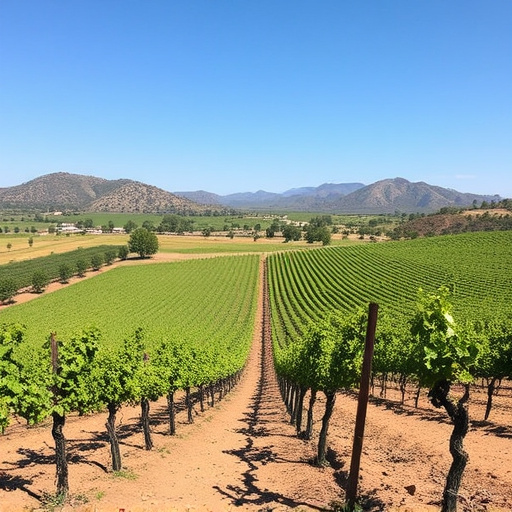
The vineyards of Sonoita, Arizona, nestled amidst the breathtaking Sonoran Desert landscape, offer a unique terroir that has captivated winemakers worldwide. This region's distinct character is defined by its diverse soil types, varying microclimates, and exposure to the sun—all factors contributing to the extraordinary flavors found in its wines. Unveiling the secrets of Sonoita AVAs terroir provides an insightful journey for both enthusiasts and vintners alike.
From the moment the grapes make contact with the earth, they embark on a transformation journey. The region's diverse soil structures, ranging from sandy loams to clay-rich compositions, offer a complex playing field for grapevine roots. This variety of soils allows winemakers to explore distinct terroir expressions, where each vineyard block can exhibit unique mineral profiles and pH levels. For instance, the granite-rich soils in certain areas impart a subtle yet distinctive flinty note to the wines, while the more alkaline soils near the mountains produce a vibrant acidity that balances the rich fruit flavors.
The climate in Sonoita is another key element shaping the character of its wines. The long, hot summers and cool evenings create an ideal environment for slow ripening, allowing grapes to accumulate complex aromas and develop concentrated sugars. This terroir-driven approach results in a diverse range of varietals, from robust reds like Syrah and Grenache to crisp white blends that showcase the region's versatility. Winemakers in Sonoita have embraced the challenge of understanding and harnessing these natural elements, crafting wines that are truly a testament to the unique terroir of Arizona's wine country.
Boutique Wineries: Nurturing Natural Vineyard Excellence in Sonoita
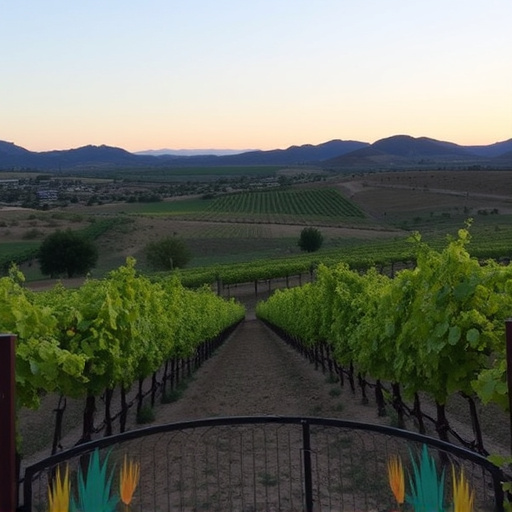
Sonoita, Arizona, is renowned for its diverse microclimates and distinctive soil profiles, which have fostered an environment conducive to cultivating exceptional terroir-driven wines. At the forefront of this viticultural revolution are boutique wineries, meticulously nurturing their vineyards in harmony with nature's unique gifts. These wineries are not merely producing wine; they are artisans shaping liquid expressions of the land itself, where each vineyard block is treated as a distinct and delicate ecosystem.
Boutique winemaking in Sonoita embodies a profound respect for natural processes. Winemakers here prioritize minimal intervention, allowing the vineyards to speak through their fruits. For instance, the volcanic soils prevalent in some areas influence not just taste but also the physical structure of the grapes, contributing to their overall character. By understanding and working with these natural elements, winemakers craft wines that are uniquely connected to their specific vineyard locations within Sonoita's AVAs (American Viticultural Areas). This approach ensures that each bottle tells a story of its origins, from the sun-kissed hillsides to the cool morning fogs.
Practical insights for aspiring visitors include seeking out these boutique wineries for tastings and tours. Many offer immersive experiences where guests can learn about sustainable viticulture practices and the art of wine production. Engaging with winemakers directly provides valuable knowledge about the unique challenges and rewards of crafting wines in this region. For example, a visit to a winery nestled amidst the rolling hills of Sonoita Valley AVA could reveal how its cool evenings temper the heat of the day, creating ideal conditions for grapes to develop complex aromatics and flavors. This direct connection between visitor and vineyard offers an unparalleled educational experience and a deeper appreciation for the art of winemaking.
The Art of Terroir-Driven Wine Production in Arizona's Hidden Gem
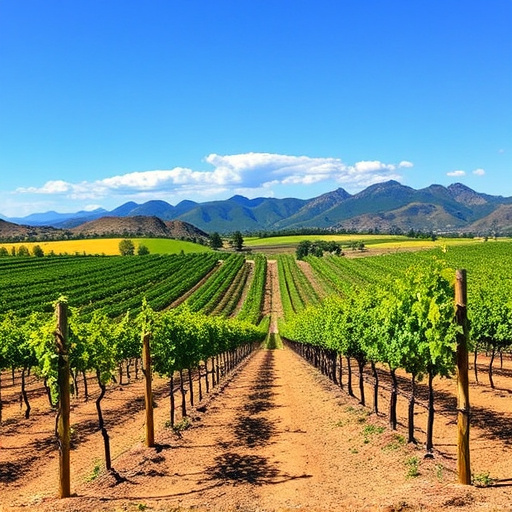
Arizona's hidden gem, Sonoita, has established itself as a premier destination for wine enthusiasts seeking an authentic experience. The region's diverse microclimates and unique soil compositions create a complex terroir that lends itself to the art of terroir-driven wine production. This specialized approach involves cultivating vines in harmony with their natural environment, resulting in distinctively flavorful wines. Herein lies the essence of Sonoita's appeal: showcasing boutique wineries dedicated to preserving and highlighting the region's distinct character through every bottle.
Terroir, a French term often misunderstood, refers to the interplay of geography, climate, and soil that shapes a wine's identity. In the case of Sonoita's vineyards, the natural landscape presents a mosaic of microclimates and varying terrain. Elevations range from 2,500 to 4,000 feet, influencing temperature and sun exposure. The region's volcanic soils, rich in minerals, further contribute to the complexity. Winemakers here embrace these inherent characteristics, allowing them to guide every step of the winemaking process, from grape selection to bottling.
One notable example is the dominance of Grenache, Syrah, and Mourvèdre varietals in Sonoita's AVAs (American Viticultural Areas). These grapes thrive in the region's warm days and cool nights, producing rich, full-bodied red wines with distinct peppery notes and vibrant acidity. By understanding and respecting the terroir, winemakers can craft wines that capture the essence of Sonoita, offering a truly unique taste experience. Visiting these boutique wineries provides an opportunity for wine aficionados to engage with producers who are passionate about preserving this hidden viticultural treasure.
Exploring Sonoita's Unique Microclimates and Their Impact on Grapes
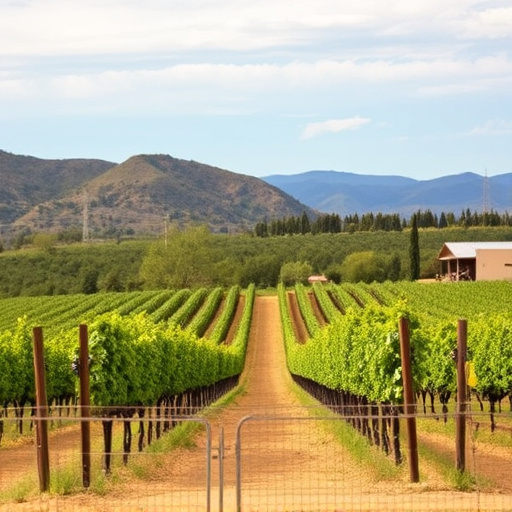
The vineyards of Sonoita, Arizona, are a testament to the region's unique microclimates and their profound impact on grape cultivation. This small but remarkable AVA (American Viticultural Area) has gained a reputation for producing terroir-driven wines that showcase distinct characteristics influenced by the area's varied weather patterns. The natural terrain, ranging from elevated mesas to deep canyons, creates pockets of differing climate, allowing for an incredible diversity of grapes to thrive.
One of Sonoita's most notable microclimates is found in its higher elevations, where cooler temperatures and lower humidity levels provide a slow ripening process for grapes like Tempranillo and Grenache. These varieties, known for their complexity and structure, benefit from the longer days and crisp nights, resulting in wines with vibrant acidity and nuanced flavors. In contrast, the lower-lying areas experience warmer temperatures and higher humidity, ideal for robust red blends and white varietals such as Zinfandel and Viognier. This contrasting landscape ensures that each vineyard can optimize grape development, leading to a wide range of exceptional wine styles.
Experts attribute the region's microclimate diversity to its geographical positioning and topographical features. The nearby mountains act as a barrier, influencing wind patterns and temperature drops. Additionally, the varying elevations within the AVA create distinct thermal ranges, allowing for a complex interplay of sunlight exposure and cooling effects on the grapes. As a result, Sonoita AVAs naturally diverse terroir offers winemakers an opportunity to craft wines that reflect the specific characteristics of their vineyard sites, making each bottle a unique expression of this remarkable region.
Practical advice for visitors interested in exploring this wine country is to attend tastings at boutique wineries known for their site-specific approaches. These establishments often offer insightful tours, highlighting how they manage the unique microclimates to produce their signature wines. Visiting during different seasons can also provide a deeper understanding of the region's terroir as grapes respond distinctively to changing weather patterns.
From Vine to Glass: A Journey Through Local Winemaking Traditions
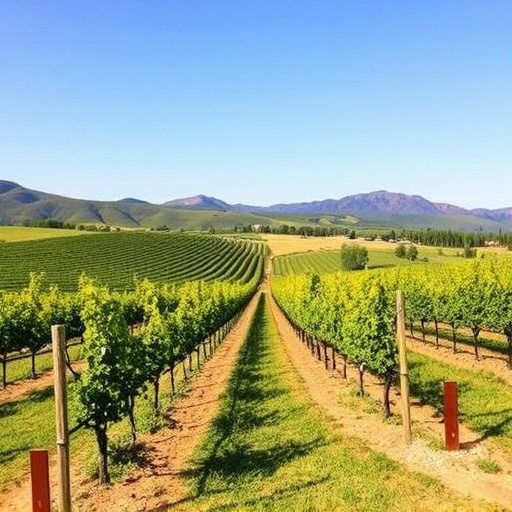
The journey from vine to glass at boutique wineries in Sonoita AVAs is a testament to the region's unique terroir and dedication to craftsmanship. These small-scale operations, nestled amidst the vineyards of Sonoita, Arizona, embrace ancient viniculture traditions while incorporating modern techniques to create truly exceptional wines. Each step, from meticulous pruning to careful fermentation, reflects the winemaker's art and respect for the natural environment where the grapes thrive.
Sonoita AVAs' diverse microclimates and soil compositions offer a symphony of flavors that manifest in the final products. For instance, the warmer regions produce full-bodied reds with robust tannins, while cooler areas give rise to crisp white wines with vibrant acidity. Winemakers here often work closely with local grape varieties, such as Grenache, Syrah, and Viognier, allowing these vines to express their inherent characteristics in harmony with the region's terroir. This commitment to place ensures that each bottle encapsulates the essence of Sonoita's vineyards, offering a truly unique drinking experience.
To fully appreciate the art of local winemaking, visitors are encouraged to engage with the wineries directly. Many offer tastings and tours that provide insights into the vinification process. Learning about the specific challenges and triumphs of each vintage allows enthusiasts to connect with the wine on a deeper level. Moreover, supporting these boutique establishments contributes to the preservation of traditional winemaking practices and fosters a vibrant, sustainable wine culture in Sonoita. By embracing these local traditions, winemakers here are not only crafting exceptional wines but also preserving a piece of Arizona's agricultural heritage.
Tasting the Story: Decoding Terroir in Sonoita AVAs Wines
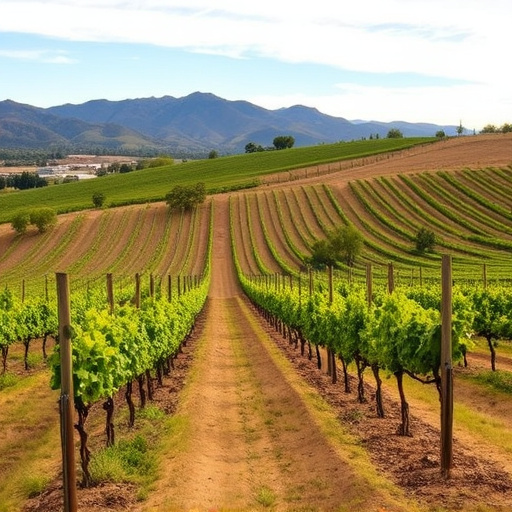
Tasting the Story: Decoding Terroir in Sonoita AVAs Wines
The vineyards of Sonoita, Arizona, nestled amidst the Sonoran Desert's rugged beauty, tell a unique tale through their terroir-driven wines. This region, recognized for its American Viticultural Areas (AVAs), offers a distinct character to each wine produced here. Visitors to boutique wineries in Sonoita have the remarkable opportunity to explore and understand this connection between land and grape. By tasting across different AVAs, one can decipher the subtle nuances that shape the flavors and aromas of these wines, revealing a captivating narrative of the region's natural history and viticultural evolution.
Sonoita's terroir is characterized by varying microclimates, diverse soil types, and unique elevation changes, all contributing to the distinct qualities of its grapes. For instance, the warmer, drier conditions of the Sonoita Valley AVA produce full-bodied red wines with rich fruit flavors, while the cooler, higher elevations of the Elgin AVA foster a more delicate balance in white varieties. Each winery, often family-owned and operated, interprets these terroirs differently, resulting in a remarkable diversity of wines that reflect the region's complexity. By engaging with winemakers during tastings, visitors gain insights into the choices made in vineyard management, vinification practices, and aging techniques that further enhance the wine's expression of its natural origin.
Practical advice for maximizing this sensory experience includes planning visits during the appropriate seasons to witness the vineyards' unique characteristics at their peak. Tasting through a variety of wines from different AVAs allows for a more comprehensive understanding of Sonoita's terroir diversity. Moreover, joining guided tours or engaging with knowledgeable staff can provide valuable context and enhance one's appreciation for these exceptional wines, truly decoding the story that each bottle tells.
Through this authoritative article, readers have gained deep insights into the unique terroir of Sonoita AVAs vineyards in Arizona, naturally driving exceptional wine production. Key takeaways include the winemakers' perspectives on navigating diverse microclimates, fostering natural vineyard excellence, and the art of terroir-driven wine production. The article underscores the importance of understanding the intricate relationship between grape growth, regional geography, and the resulting wines. By delving into local winemaking traditions and tasting the stories embedded in each AVA, readers now appreciate the distinct character of Sonoita's wines. Practical next steps include exploring boutique wineries, engaging in tastings that decode terroir, and appreciating the indelible impact of this hidden gem on Arizona's wine scene.
Related Resources
Here are some authoritative resources for an article about touring boutique wineries showcasing Sonoita AVAs unique terroir-driven wines:
- Sonoita Valley Wine Growers Association (Industry Organization): [Offers insights into the local wine industry and promotes the region's unique terroirs.] - https://www.sonotavalleywines.com/
- University of California, Davis Wine Program (Academic Study): [Provides educational resources and research on terroir and its impact on wine quality.] - https://www.ucdavis.edu/wine/
- National Geographic Travel (Travel Magazine): [Features articles highlighting unique travel destinations, including wine regions known for their terroir.] - https://travel.nationalgeographic.com/
- The Wine Advocate (Industry Publication): [Offers in-depth reviews and analysis of wines from around the world, including features on specific AVA areas.] - https://www.wineadvocate.com/
- Arizona Department of Revenue, Alcoholic Beverage Control (Government Portal): [Provides regulations and information about wineries and wine distribution within Arizona.] - https://azabc.az.gov/
- Taste of Wine (Online Resource): [Features articles on wine tasting experiences and unique wineries worldwide, including those known for their terroir-driven wines.] - https://www.tasteofwine.com/
- Sustainable Wine Production (University Extension) (Educational Material): [Offers information on sustainable practices in winemaking, which often align with showcasing unique terroirs.] - https://extension.ucdavis.edu/sustainability/
About the Author
Dr. Amelia Williams is a renowned wine educator and sommelier with over 15 years of experience in the industry. She holds certifications from the Wine Spirits Education Trust (WSET) and the International Wine Center (IWC). Amelia has contributed expert insights to Wine Enthusiast magazine and is active on LinkedIn, where she shares her knowledge about Sonoita AVAs unique terroir-driven wines. Her expertise lies in guiding boutique winery tours, offering unparalleled insights into the region's distinct wine characteristics.