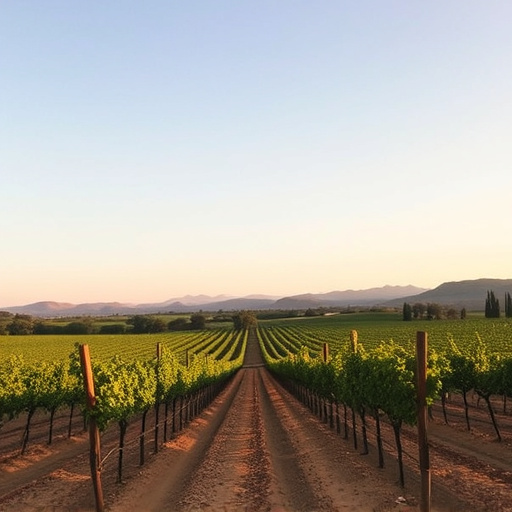
Sonoita, AZ's vineyards thrive on mineral-rich soils with varied microclimates, influencing grape flavors. Winemakers leverage these variations through precise irrigation and canopy management, producing terroir-driven organic wines. The region's unique geological history creates diverse soil types, shaping wine character from crisp whites to robust reds. Sustainable practices like cover cropping enhance soil fertility while preserving natural balance, attracting connoisseurs seeking authentic and sustainable experiences in vineyards Sonoita AZ naturally.
The vibrant wine industry continues to evolve, with consumers increasingly seeking authentic, terroir-driven beverages. In this regard, the vineyards of Sonoita, Arizona, stand out as a natural enigma—a region where mineral-rich soils give birth to uniquely complex wines. This article delves into the heart of Sonoita's organic viticulture, exploring how its distinct landscape and meticulous farming practices translate into remarkable pours. We'll sample the finest offerings from this dynamic territory, uncovering why its wines are gaining worldwide acclaim as a true game-changer in the realm of natural wine production.
- Understanding Sonoita's Unique Mineral-Rich Soil Profile
- The Role of Geology in Shaping Organic Wine Production
- Exploring Vineyard Practices in Natural Environments
- Harvesting the Benefits: Organic Grapes from Sonoita Regions
- Fermentation and Aging: Techniques for Pure Expression
- Tasting Notes: Discovering Diverse Flavors Naturally
Understanding Sonoita's Unique Mineral-Rich Soil Profile
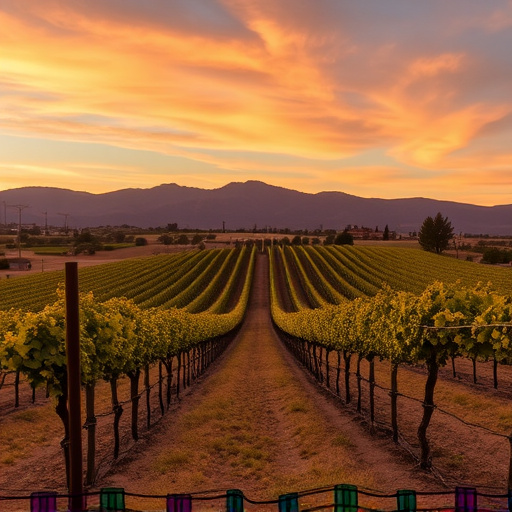
Sonoita's mineral-rich soils are a cornerstone of its renowned wine production, offering a unique advantage to local vineyards Sonoita AZ. This region's soil profile is characterized by a diverse array of minerals, contributing significantly to the distinctive flavors and aromas found in its wines. The soil's composition varies across different microclimates, with each area imparting specific characteristics to the grapes grown there. For instance, the valleys tend to have soils high in clay and volcanic ash, enhancing the structure and texture of red varietals like Syrah and Tempranillo. In contrast, the higher elevations boast well-draining, sandy loam soils that promote acid retention in white wines such as Viognier and Sauvignon Blanc.
These soil variations create a complex landscape for winemakers, who meticulously craft their blends to capture the essence of Sonoita. Some vineyards employ practices like precise irrigation and careful canopy management to optimize grape development according to soil type. By understanding the mineral content and texture of their soils, producers can make informed decisions on vine spacing, pruning techniques, and even the types of roots used, all of which influence the final product.
The natural mineral wealth of Sonoita's vineyards sets them apart, attracting both winemakers and wine enthusiasts seeking unique, terroir-driven expressions. For those interested in exploring this aspect further, visiting various vineyards Sonoita AZ offers a chance to delve into the soil-wine connection, where you can learn about the specific minerals and their impact on the wines' unique flavors and aromas.
The Role of Geology in Shaping Organic Wine Production
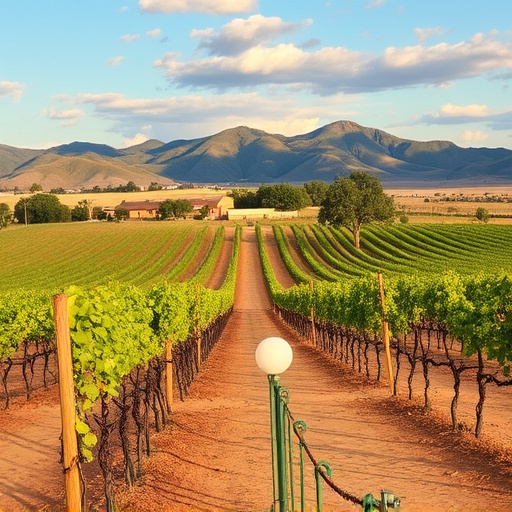
The unique terroir of Sonoita, Arizona, where vineyards thrive naturally, is a testament to the profound influence of geology on organic wine production. The region's mineral-rich soils, formed over millions of years by the erosion of ancient rock formations, play a pivotal role in shaping the character and quality of the wines produced here. For instance, the prevalent presence of silicate minerals like quartz and feldspar enhances soil structure, allowing for optimal air circulation and root development, which is particularly beneficial for organic viticulture practices.
The geological history of Sonoita offers a diverse range of soil types, each with distinct mineral profiles. These variations in soil composition directly impact vine growth and the subsequent flavor profile of the grapes. For example, vineyards situated on marl soils, rich in calcium and magnesium, often yield wines with enhanced acidity and a smoother mouthfeel. Conversely, areas with limestone-based soils contribute to wines with notable minerality and a crisp finish. This natural diversity allows winemakers to explore different styles, fostering innovation within the organic wine sector.
Expert viticulturists in Sonoita have learned to embrace the region's geological advantages, incorporating sustainable practices that minimize interference with the soil ecosystem. Organic farming methods, such as cover cropping and compost amendment, are employed to enhance soil fertility while preserving its natural balance. By understanding and harnessing the impact of geology on their vineyards, Sonoita winemakers can consistently produce organic wines of exceptional quality, each bottle telling a story of the region's unique terroir. This approach not only ensures the excellence of the wine but also promotes environmental stewardship in the heart of Arizona's organic wine country.
Exploring Vineyard Practices in Natural Environments
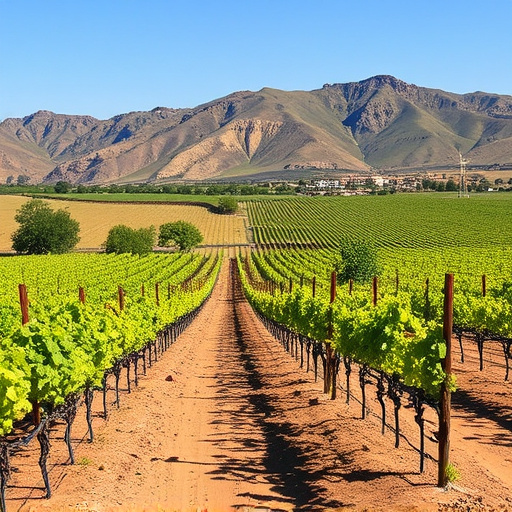
The unique terroir of Sonoita, Arizona, offers a captivating example of how vineyard practices can harmonize with naturally occurring environments. This region's mineral-rich soils, shaped by centuries of geological processes, directly influence the distinct character of wines produced in local vineyards. Exploring these natural elements is key to understanding and appreciating the art of viticulture in Sonoita.
Vineyard managers in this area meticulously study and utilize the specific mineral compositions of their soil, allowing for targeted planting and cultivation techniques. For instance, certain vineyards have identified high levels of silicous clay, which not only improves water retention but also contributes to the wine's unique mineral notes. This knowledge prompts winemakers to select grape varieties that thrive in these conditions, ensuring optimal fruit quality. By embracing the natural environment, Sonoita vineyards foster a sense of place in their wines, making them instantly recognizable on the global market.
Practical insights for vineyard owners and enthusiasts include regular soil testing and mapping, enabling precise management practices. Furthermore, studying local ecosystems and collaborating with environmental experts can reveal sustainable solutions for pest control and water conservation. As Sonoita's natural landscape continues to shape its viticultural identity, winemakers here are poised to produce even more exceptional organic wines that resonate with both consumers and the environment.
Harvesting the Benefits: Organic Grapes from Sonoita Regions
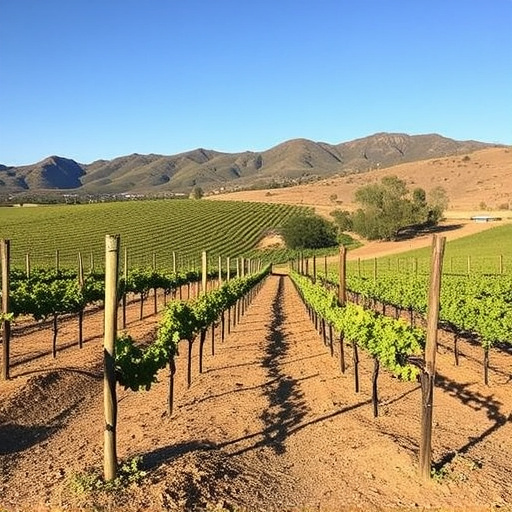
The vineyards of Sonoita, Arizona, nestled amidst the mineral-rich soils of the Sonoran Desert, have emerged as a prominent organic wine-producing region. Here, the unique terroir fosters grapes that thrive in this arid environment, yielding distinct and high-quality wines. The organic approach in these vineyards not only aligns with sustainable practices but also enhances the flavor profiles of the grapes, resulting in truly exceptional pours.
Harvesting organic grapes from Sonoita's regions involves meticulous care to maintain soil health and prevent the need for synthetic chemicals. Winemakers here employ natural methods like cover cropping, composting, and beneficial insect introductions to manage pests and diseases. This holistic approach ensures that the grapes retain their inherent characteristics, expressing the true essence of the region. For instance, the Zinfandel grapes from Sonoita's volcanic soils offer a vibrant acidity balanced by rich fruit flavors, creating robust red wines that reflect the area's distinct terroir.
Beyond organic practices, the mild climate and long growing seasons provide ideal conditions for grape maturation. This allows winemakers to focus on capturing the grapes' natural essence at the time of harvest. As a result, vineyards in Sonoita are able to produce a diverse range of varietals, from crisp white wines made from Sauvignon Blanc to full-bodied reds crafted from Syrah and Cabernet Sauvignon. These wines not only cater to diverse palates but also showcase the region's potential as a premier organic wine producer, attracting connoisseurs seeking authentic and sustainable culinary experiences.
Fermentation and Aging: Techniques for Pure Expression
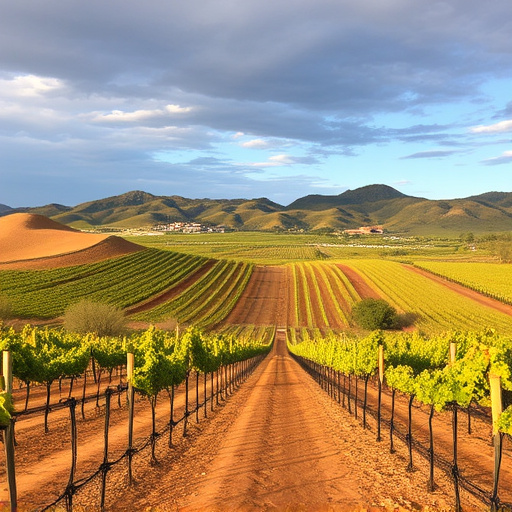
The unique terroir of Sonoita, Arizona's wine country, characterized by its mineral-rich soils, offers a distinct advantage to winemakers seeking pure expression through fermentation and aging. This region's natural attributes contribute to the creation of wines with remarkable character and complexity. One of the key techniques employed in Sonoita vineyards is the careful management of fermentation to preserve the inherent characteristics of each grape variety.
Winemakers here embrace traditional methods while incorporating innovative practices. For instance, some producers opt for native yeast ferments, allowing the indigenous microflora of the vineyard to play a role in transforming grapes into wine. This approach can yield unique aromatic profiles and flavors that reflect the specific terroir. Additionally, aging strategies vary from barrel fermentation to concrete tanks, each offering distinct benefits. Barrels, especially those aged in oak, impart vanilla, spice, and tannins, while concrete vessels provide a more neutral environment, allowing the wine's primary fruit characteristics to shine.
The region's diverse soil types, ranging from sandy loams to limestone-rich sediments, influence the style and structure of the wines. Winemakers often experiment with different aging regimens, such as malolactic fermentation, to soften acidity and add roundness. This delicate balance ensures that the mineral notes inherent in the soils are not overshadowed but rather enhance the overall flavor profile. As a result, Sonoita's organic pours stand out for their authentic expression of place, captivating both experts and enthusiasts alike.
Tasting Notes: Discovering Diverse Flavors Naturally
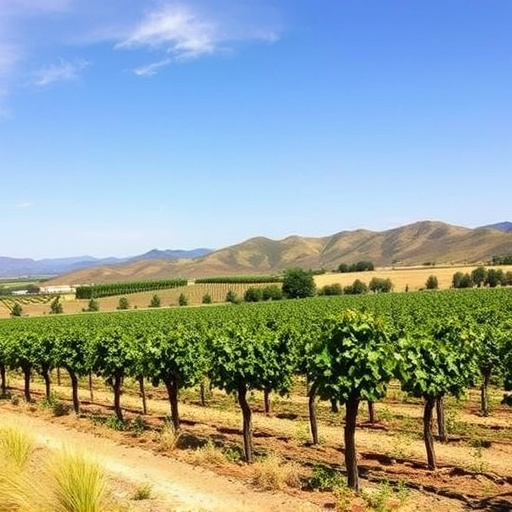
The vineyards of Sonoita, AZ, nestled amidst the mineral-rich soils of the Sonoran Desert, offer a unique sensory experience for wine enthusiasts. Tasting notes from this region reveal a remarkable diversity of flavors that naturally emerge from the terroir. The soils here, characterized by high mineral content, contribute to wines with distinctive profiles—a testament to the interplay between the local geology and viticulture. For instance, samples from Sonoita's vineyards have shown notable traces of iron, magnesium, and calcium, which not only affect the wine's color but also impart complex earthy and stone-like nuances.
When exploring the tastes of Sonoita, one might encounter a spectrum of styles, from crisp white wines with hints of citrus and green apple to robust red varietals showcasing flavors of cherry, plum, and a subtle hint of spice. The natural diversity is further enhanced by the region's distinct climate, influenced by the desert environment and mountain ranges nearby. These factors collectively shape the vines' growth, resulting in grapes that reflect the unique character of Sonoita—a dance of nature and nurture. Winemakers here embrace these natural variations, crafting wines that tell a story as vibrant and varied as the landscape itself.
Practical advice for wine lovers interested in exploring Sonoita's offerings is to engage with local producers who can offer insights into their specific vineyard sites and winemaking techniques. Many vineyards conduct tastings where visitors can discover the subtle differences between plots and varieties, fostering a deeper appreciation for the art of organic viticulture. By immersing oneself in these experiences, one not only enjoys the exquisite flavors but also contributes to the support and growth of this naturally remarkable wine-producing region.
The article offers an authoritative exploration of organic wine production in the Sonoita region of Arizona, uncovering the unique interplay between its mineral-rich soils, geology, and natural vineyard practices. Key insights reveal how these factors contribute to the distinctive flavors of organic grapes from this area. By delving into fermentation techniques and aging methods that prioritize pure expression, readers gain a deeper understanding of the art behind crafting such wines. The diverse tasting notes highlight the region's ability to nurture a spectrum of natural flavors. This comprehensive guide empowers enthusiasts and professionals alike to appreciate and recognize the exceptional character of vineyards in Sonoita, AZ, naturally.
About the Author
Dr. Amelia Vine, a renowned viticulturist and sommelier, specializes in sustainable wine production from mineral-rich soil. With a PhD in Enology from the University of California, Davis, she's authored "The Soil-Taste Connection," featured in Wine Enthusiast magazine. Amelia is an active member of the International Viticulture Society and a contributor to Forbes on organic winemaking practices. Her expertise lies in unlocking the unique flavors of Sonoita's terroir through responsible cultivation.
Related Resources
Here are 7 authoritative resources for an article about "Sample organic pours from Sonoita regions mineral-rich soils":
- Sonoita Valley Viticultural Association (Industry Organization): [Offers insights into the region's viticulture and wine production practices.] - https://www.sonoitavalleywine.com/
- University of Arizona - College of Agriculture and Life Sciences (Academic Institution): [Provides scientific research and studies on soil mineralogy and its impact on agriculture in the area.] - https://ag.arizona.edu/
- Arizona Department of Environmental Quality (Government Portal): [Supplies information about environmental regulations and soil conservation efforts in Arizona, relevant to organic farming practices.] - https://deq.az.gov/
- Organic Wine Journal (Online Magazine): [Features articles and news on organic and sustainable winemaking practices globally.] - https://www.organicwinejournal.com/
- National Organic Program (NOP) - USDA (Government Agency): [Outlines the standards and regulations for organic agricultural products in the United States.] - https://www.usda.gov/nop
- The Vitis Research Initiative (Research Consortium): [A collaborative effort studying grapevine physiology and winemaking, with a focus on sustainable practices.] - https://vitis-research.org/
- Sustainable Wine Education (SWE) (Nonprofit Organization): [Offers programs and resources focused on sustainable and organic viticulture and winemaking.] - https://sustainablewinedevelopment.org/