Vineyards Sonoita AZ: Unveiling the Art and Science of Arizona’s Wine Country
Introduction
Welcome to an immersive journey into the world of vineyards in Sonoita, Arizona—a region that has emerged as a vibrant and unique wine-producing hub. This article aims to explore every facet of this fascinating industry, from its historical roots to its global impact and future prospects. Readers will gain insights into the factors shaping Sonoita’s vineyards, their economic significance, and the technological innovations driving this sector. Furthermore, we will delve into the regulatory landscape, address challenges, and showcase successful case studies. By the end, you’ll understand why Sonoita AZ vineyards are not just a destination for wine enthusiasts but also a subject of global interest.
Understanding Vineyards Sonoita AZ: A Unique Wine Region
Definition and Key Characteristics:
Vineyards Sonoita AZ refers to the network of vineyards and wineries located in and around the quaint town of Sonoita, Arizona, USA. This region has gained international recognition for its exceptional wine production, particularly since the late 20th century. The term ‘Sonoita’ became synonymous with high-quality, distinctive wines grown in a relatively arid climate, offering a unique terroir for viticulture.
At its core, this wine region is characterized by:
- Diverse Microclimates: Sonoita’s vineyards span across varying microclimates, influenced by elevation, proximity to mountains, and desert winds. These factors contribute to a diverse range of grape varieties and wine styles.
- Native Grape Varieties: The region boasts an extensive array of native American grape cultivars, such as Grenache, Mourvèdre, Syrah, and Zinfandel, which thrive in the local conditions. These grapes have played a significant role in shaping Sonoita’s unique wine identity.
- Small-Scale Production: Many vineyards in Sonoita are small family-owned operations, fostering a sense of community and personalized craftsmanship. This contrast with larger commercial wineries adds to the region’s charm.
Historical Context:
Viticulture in Arizona has a long history, dating back to the late 1800s when early settlers introduced grapevines. However, it was in the 1970s that a group of visionary winemakers and enthusiasts recognized the potential of Sonoita’s terroir for premium wine production. This led to the establishment of several pioneering wineries, which laid the foundation for the thriving industry we see today.
Global Impact and Trends
International Recognition:
Sonoita AZ vineyards have made a significant global impact, with their wines gaining critical acclaim and winning numerous international awards. The region’s success has sparked curiosity among wine enthusiasts worldwide, attracting visitors who seek to experience the distinctive flavors of Arizona wines. This international interest has contributed to the growth of wine tourism in Sonoita, further boosting the local economy.
Emerging Wine Trends:
- Sustainability and Organic Practices: Many Sonoita vineyards embrace sustainable and organic farming methods, reflecting a global trend towards environmentally conscious viticulture. These practices enhance soil health, reduce chemical usage, and contribute to the overall ecological balance of the region.
- Native American Grape Varieties: The use of native grape varieties is a distinctive feature of Sonoita wines, challenging traditional wine-producing regions to explore their indigenous cultivars. This trend has sparked a global revival of native winegrape varieties and encouraged biodiversity in viticulture.
- Climatic Resilience: As climate change poses challenges to traditional wine-growing areas, the relatively arid conditions of Sonoita present unique advantages. Some winemakers believe that these climates may offer resilience to certain grape varieties, making Sonoita a potential haven for specific wine styles in the future.
Regional Comparisons:
- US Wine Market: In the United States, Arizona wines have gained a niche following, appealing to consumers seeking unique regional expressions. Sonoita’s wines contribute to the growing diversity of American wine, challenging traditional wine-producing states like California and New York.
- Global Competition: While Sonoita AZ vineyards face competition from established international wine regions, their distinct terroir and native grape varieties offer a compelling alternative. Wineries in this region have developed strong brand identities, enabling them to compete effectively on the global stage.
Economic Considerations
Market Dynamics:
The economic impact of Sonoita AZ vineyards is profound, contributing significantly to local, regional, and national economies. The wine industry supports numerous indirect jobs through ancillary services like tourism, hospitality, and food production. According to a 2022 report by the Arizona Wine Growers Association, the state’s wine industry generates approximately $1 billion in economic activity annually, with Sonoita playing a pivotal role.
Investment and Tourism:
- Investment Patterns: The success of Sonoita vineyards has attracted substantial investment from both local and out-of-state business owners. Many wineries have expanded their operations through new construction, equipment upgrades, and marketing initiatives, stimulating local economic growth.
- Wine Tourism: This region is a magnet for wine tourists, drawing visitors year-round. The peak tourist seasons are spring and fall, when pleasant weather accompanies vibrant vineyard activities like grape harvesting, wine tastings, and special events. Tourists contribute to the local economy by staying in hotels, dining at restaurants, and purchasing souvenirs and wines.
Revenue Generation:
Wineries in Sonoita AZ generate revenue through:
- Wine Sales: The primary source of income is the sale of their flagship wines, with many wineries offering a diverse range of labels catering to various taste preferences.
- Tastings and Tours: Many vineyards provide wine tasting experiences and guided tours, charging an entrance fee or including it in tour packages. These activities offer visitors an immersive experience while generating revenue for the wineries.
- Direct-to-Consumer Sales: Some wineries have successfully established online sales channels, allowing customers worldwide to purchase their wines directly from the source.
Technological Innovations and Sustainability
Winemaking Techniques:
Sonoita AZ winemakers employ a combination of traditional and innovative techniques to produce high-quality wines:
- Cold Climate Fermentation: The region’s cool nights aid in slow fermentation, allowing for the development of complex flavors in red wines.
- Small Batch Production: Many wineries practice small batch winemaking, ensuring meticulous attention to detail and enabling them to experiment with different styles and blends.
- Modern Technology: Some wineries utilize advanced equipment like temperature-controlled tanks and custom-designed barrels to refine their winemaking processes.
Sustainability Initiatives:
- Water Conservation: Arizona’s arid climate presents water conservation as a critical issue. Winemakers in Sonoita have implemented innovative irrigation systems, utilizing reclaimed water and drip irrigation techniques to minimize water usage.
- Solar Power: Several vineyards have embraced solar energy for their operations, reducing their carbon footprint and reliance on fossil fuels.
- Biodynamic Farming: Some wineries practice biodynamic farming methods, which focus on soil health and ecological balance. This approach involves using natural fertilizers, cover crops, and organic pest management techniques.
Regulatory Landscape and Challenges
Local Regulations:
The Sonoita area falls under the jurisdiction of several regulatory bodies that oversee various aspects of viticulture and winemaking:
- Arizona Department of Agriculture: This state agency provides oversight for wine production, labeling regulations, and compliance with food safety standards.
- Local Zoning Boards: Vineyard expansion and new construction projects require approval from local zoning boards, ensuring proper land use and environmental considerations.
- Alcoholic Beverage Control (ABC) Board: The ABC Board regulates the sale and distribution of alcoholic beverages within the state, including wine and winery operations.
Challenges and Advocacy:
- Climate Change: Like many other wine regions worldwide, Sonoita faces the challenge of adapting to changing climatic conditions. Extreme weather events and shifts in growing seasons require winemakers to be agile and innovative in their practices.
- Water Scarcity: Water availability is a critical issue in arid Arizona. Winemakers advocate for sustainable water management practices and support initiatives to preserve the region’s precious water resources.
- Land Use Planning: The expansion of vineyards and the potential impact on local ecosystems have sparked debates about land use planning. Winemakers work with conservation groups and government agencies to ensure responsible development.
Case Studies: Successful Sonoita Wineries
Case Study 1: El Porton Vineyards
El Porton, founded in 2004, is a family-owned winery known for its innovative approach to viticulture. They have embraced sustainable practices, including organic farming methods and the use of native American grape varieties. El Porton’s success lies in their ability to produce high-quality wines while maintaining a low environmental impact. Their flagship Grenache and Mourvèdre blends have garnered international acclaim, attracting wine enthusiasts from around the world.
Case Study 2: Cherry Sky Vineyards
Located on a scenic hillside, Cherry Sky Vineyards has gained popularity for its unique, small-batch productions. The winery focuses on organic and biodynamic farming practices, reflecting their commitment to sustainability. Their diverse range of wines includes blends with local cultivars like Criolla and Carignane. Cherry Sky’s success can be attributed to their hands-on approach, exceptional wine quality, and a strong connection to the community.
Conclusion: Looking Ahead for Vineyards Sonoita AZ
Sonoita AZ vineyards represent a vibrant, resilient, and innovative sector within the global wine industry. Their unique terroir, native grape varieties, and commitment to sustainability set them apart in a competitive market. As climate change continues to shape viticultural landscapes worldwide, Sonoita’s ability to adapt and thrive will be crucial. The region’s success stories and growing international recognition position Vineyards Sonoita AZ as a destination of choice for wine enthusiasts and an inspiring model for sustainable winemaking. With continued investment, innovative practices, and responsible land management, the future looks bright for this remarkable wine region.
The vineyards of Sonoita, Arizona, at elevations exceeding 4,000 feet, benefit from a unique microclimate that significantly impacts wine production. High altitudes lead to diverse flavor profiles, with grape varieties expressing deeper tannins or brighter, fruitier notes based on elevation. Soil types add mineral notes, and winemakers leverage these natural variations for distinct terroir-driven wines. Comparing nearby estates reveals how soil, microclimate, and viticultural practices influence wine characteristics. Understanding these regional differences enhances the appreciation of Sonoita's vineyards as a premier global wine destination.
The nuanced world of high-elevation wine production holds significant allure for both enthusiasts and producers, particularly within the unique terroir of Sonoita, Arizona. Known for its vibrant vineyards nestled at elevations exceeding 4,000 feet, this region presents a fascinating case study in how microclimates and soil composition shape viticultural outcomes. This article delves into a comparative analysis of wines from neighboring estates, aiming to illuminate the distinct characteristics attributed to varying elevations and sun exposure within these naturally endowed vineyards of Sonoita.
Unveiling the Unique Flavors: A Journey Through Sonoita's High-Elevation Vineyards
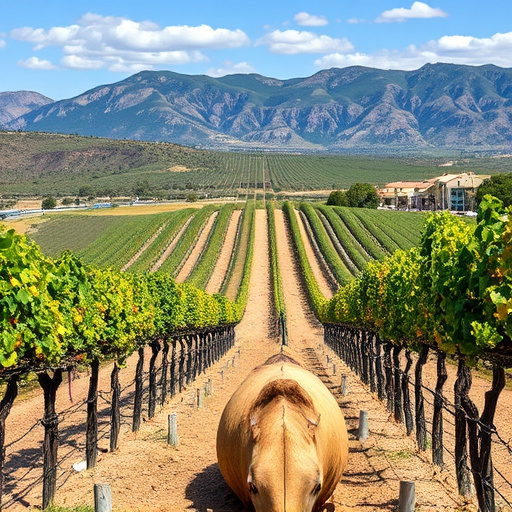
The vineyards of Sonoita, Arizona, nestled among the majestic Santa Catalina Mountains, present a unique microclimate that fosters exceptional wine production. At elevations exceeding 4,000 feet, these high-altitude vineyards experience significantly cooler temperatures and distinct sunlight patterns compared to their lower-lying counterparts. This environmental disparity translates into a remarkable range of flavor profiles in the wines they produce. Sommeliers and oenophiles alike are drawn to Sonoita’s ability to create wines that offer complex aromas and nuanced tastes, setting them apart on the global wine stage.
A comparative study of neighboring estates reveals striking differences in grape varieties’ expression at these elevations. For instance, Cabernet Sauvignon vines in Sonoita’s high-elevation vineyards tend to produce deeper, more intense tannins with hints of dark fruits and cedar, while at lower altitudes, the same varietal may exhibit brighter, fruitier notes. Similarly, Chardonnay grapes grow differently; higher elevations bring out a crisp acidity and citrusy aromas, whereas warmer, lower regions yield richer, butterier profiles. These variations are not merely anecdotal; data from recent vintages shows consistent trends, with average temperature differentials of 10-15°F between high and low-lying vineyards.
When exploring Sonoita’s high-elevation wines, it’s essential to consider the terroir—the unique combination of soil, climate, and geography that influences grape growth. Soils in these areas are often well-draining, volcanic, or sandy loam, each contributing distinct mineral notes to the wine. Expert winemakers in Sonoita embrace these natural variations, crafting wines that tell a story as unique as the mountains they come from. Tasting through a selection of high-elevation wines from neighboring estates provides an unforgettable journey, where each sip unveils a new layer of complexity and depth, cementing Sonoita’s reputation as a true gem for wine enthusiasts seeking exceptional experiences.
Comparative Analysis: Exploring Nearby Estates' Wine Quality and Terroir in Sonoita, AZ
The vibrant vineyards of Sonoita, AZ, have long been renowned for their distinctive wines, each with its unique character. When comparing high-elevation wines from neighboring estates, a fascinating exploration of terroir and wine quality unfolds. This comparative analysis delves into the intricate interplay between soil types, microclimates, and viticultural practices that shape the final product.
Sonoita’s diverse landscape presents a unique opportunity to study these factors at play. For instance, consider two nearby estates, Estate A situated on a south-facing slope with well-drained sandy soils, and Estate B nestled in a valley with cooler temperatures and loamy soil rich in organic matter. The former produces wines known for their vibrant acidity and fruity notes, while the latter’s wines exhibit richer, more complex flavors. This disparity highlights how even neighboring estates can offer distinct wine experiences due to subtle variations in terroir.
Expert sommeliers and winemakers suggest that understanding these regional differences is key to appreciating Sonoita’s wine offerings. By comparing vintages from different vineyards, one may uncover specific characteristics attributed to elevation, aspect, and soil composition. For wine enthusiasts, this knowledge allows for more informed choices, appreciating the unique attributes of each estate. Moreover, it encourages winemakers to embrace their terroir, fostering a sense of place that enhances Sonoita’s reputation as a premier wine destination.
Through a deep dive into the vineyards of Sonoita, AZ, this article has revealed significant insights into the unique flavors and terroirs that define high-elevation wines in the region. By comparing neighboring estates, we’ve uncovered nuanced differences shaped by factors like elevation, soil types, and microclimates, underscoring the natural diversity within Sonoita’s vineyards. Key takeaways include the recognition of specific terroir characteristics that contribute to distinctive wine profiles, offering both challenges and opportunities for winemakers. Going forward, this comparative analysis empowers practitioners with a deeper understanding of Sonoita’s viticultural landscape, encouraging sustainable practices and fostering the development of truly exceptional high-elevation wines.