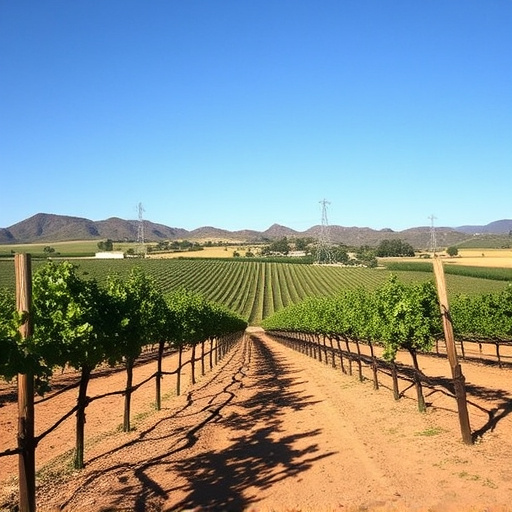
The Sonoita region in Arizona is renowned for its diverse vineyards shaped by unique microclimates. Elevation, terrain, sun exposure, and soil types dictate distinct wine styles, from crisp white wines at higher elevations to fuller-bodied reds in lower areas. Winemakers strategically choose grape varieties and employ techniques to leverage these variations, resulting in a captivating range of natural microclimate wines that solidify Sonoita's reputation as a premier wine-producing area.
The world of wine is a complex tapestry woven with intricate regional variations, and the microclimates within them play a pivotal role. In the heart of Arizona, the Sonoita region stands out for its naturally diverse vineyards. This introduction explores a critical comparison of microclimate wines from neighboring vineyards in Sonoita, offering insights into how subtle environmental differences translate to distinctive flavor profiles. By delving into this analysis, we aim to equip wine enthusiasts and professionals with valuable knowledge, enhancing their understanding of the intricate relationship between terroir and viticulture in this unique Arizona setting.
- Understanding Microclimates: The Key to Unique Wine Flavors in Sonoita, AZ
- Exploring Sonoita Region Vineyards: A Diverse Natural Environment
- Terroir Analysis: Soil, Sun, and Wind's Influence on Nearby Vineyards
- Comparative Tasting: Deciphering the Nuances of Microclimate Wines
- The Art of Winemaking: Adapting Practices to Local Conditions in Sonoita Vineyards
Understanding Microclimates: The Key to Unique Wine Flavors in Sonoita, AZ
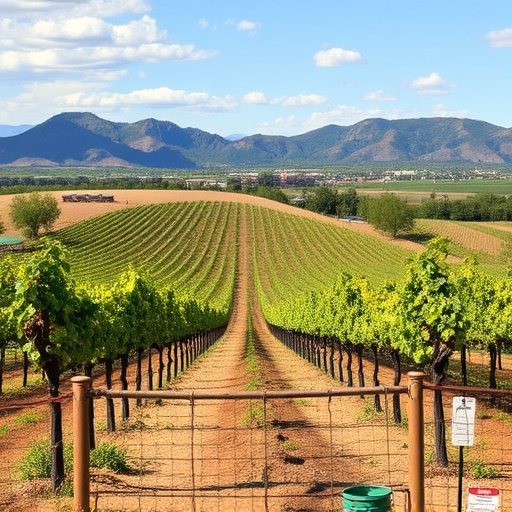
The unique microclimates of the Sonoita region in Arizona play a pivotal role in shaping the distinct flavors found in its wines. This area, nestled among the mountains, boasts a variety of microclimates that allow for an array of grape varieties to thrive. Understanding these microclimates is essential for wine enthusiasts and producers alike, as they contribute significantly to the terroir—the overall character and quality—of the wines produced in Sonoita.
Each vineyard within the region experiences subtle temperature variations, sunlight exposure, and wind patterns due to geographical features like mountains and valleys. For instance, vineyards located at higher elevations often have cooler temperatures, promoting slower ripening of grapes and enhancing acidity, while those in lower-lying areas may enjoy warmer days and sunnier skies, allowing for more sugar accumulation and potentially richer, fuller-bodied wines. These variations can lead to significant differences in the final product, with some vintages showcasing vibrant fruit flavors and crisp acidity, while others present deeper, more complex aromas and flavors.
To take full advantage of these microclimates, wine producers in Sonoita AZ employ various strategies. They may select grape varieties tailored to specific microclimates, choose planting sites that optimize sunlight exposure, or implement specialized viticultural practices like canopy management to control air flow and sun exposure. By harnessing the region’s natural diversity, vineyards in Sonoita are able to produce wines that offer a remarkable range of styles, ensuring there is something for every palate. This commitment to understanding and utilizing microclimates is what sets Sonoita apart as a premier wine-producing area.
Exploring Sonoita Region Vineyards: A Diverse Natural Environment
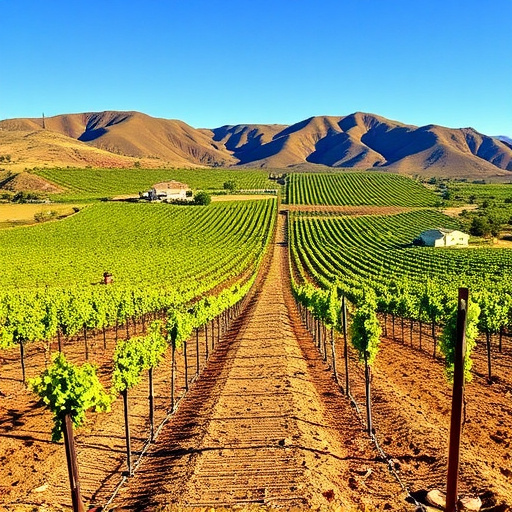
The Sonoita region of Arizona stands as a haven for wine enthusiasts seeking to unravel the complexities of microclimate wines. This area, naturally endowed with diverse geological features and varying microclimates, offers a unique opportunity to compare and contrast the characteristics of grapes grown in neighboring vineyards. Each vineyard, nestled within this multifaceted landscape, exhibits distinct terroir that influences the flavor profiles of their wines. For instance, the elevated vineyards on the region’s southeastern slopes benefit from higher sun exposure and cooler temperatures, resulting in crisp white wines with vibrant acidity. Conversely, lower-lying areas experience warmer climates, fostering the development of fuller-bodied reds with deeper colors and flavors.
Geological variations play a significant role in shaping these microclimates. The region’s volcanic soils, rich in mineral content, contribute to the unique taste signatures of the wines. Soils in some vineyards are characterized by deep loam, enhancing water retention and promoting slow ripening, while others boast well-draining gravelly soil that encourages rapid drying, affecting sugar levels at harvest. These variations create a captivating spectrum of wine styles, from elegant Pinot Noirs to robust Syrahs, all within a relatively compact geographic area.
When exploring the vineyards of Sonoita, it becomes evident that the natural environment exerts a profound influence on every aspect of wine production, from grape variety selection to vineyard management practices. Winemakers in this region embrace these disparities, meticulously tailoring their approaches to highlight the distinctive characteristics of each vineyard. As a result, visitors are treated to a captivating journey through diverse terroirs, offering a nuanced perspective on the art of winemaking and the remarkable potential of Arizona’s microclimate wines.
Terroir Analysis: Soil, Sun, and Wind's Influence on Nearby Vineyards
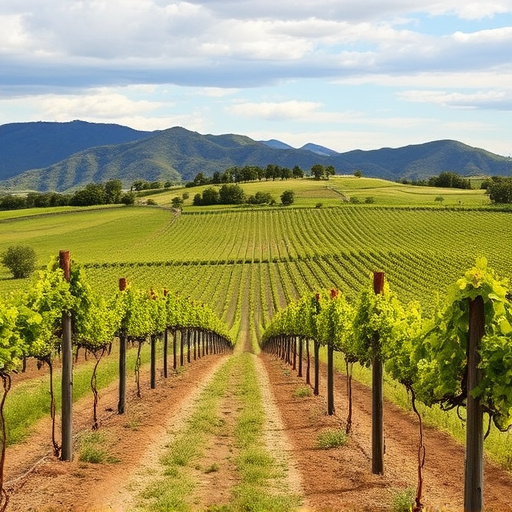
The Sonoita region in Arizona, naturally endowed with diverse microclimates, presents a fascinating case study for wine enthusiasts and viticultural experts alike. When comparing microclimate wines from neighboring vineyards, an in-depth analysis of soil, sun, and wind becomes imperative. These elements, collectively known as terroir, play a pivotal role in shaping the unique characteristics of each vineyard’s produce. For instance, consider the contrast between two adjacent properties: Vineyard A, nestled in a valley, benefits from moderate temperatures and extended sunlight, resulting in robust grape varieties with vibrant acidity. In contrast, Vineyard B, perched on a hilltop, experiences cooler nights and varying wind patterns, fostering a slower ripening process that accentuates natural sugars and aromatic compounds.
Soil types within the Sonoita region also contribute to these variations. Some vineyards boast well-draining sandy soils, ideal for cultivating varieties that thrive in slightly drier conditions. Others may find themselves on clay-rich terrain, favoring grapes that appreciate deeper soil moisture retention. These differences can lead to distinct flavor profiles and texture sensations in the final product. For example, wines from sandy loam soils often exhibit crispness and bright fruit notes, while those from clay-dominant areas might showcase richer, more complex flavors.
Practical insights for winemakers in this region include tailoring grape varieties to specific microclimates and soil types. Data from local wineries suggests that certain cultivars perform exceptionally well in particular environments. By understanding the influence of sunlight duration, temperature fluctuations, and wind currents, viticulturists can make informed decisions regarding planting choices and vineyard management practices. Ultimately, these strategic considerations enable Sonoita’s vineyards to produce microclimate wines of exceptional quality, each telling a unique story woven into the region’s natural landscape.
Comparative Tasting: Deciphering the Nuances of Microclimate Wines
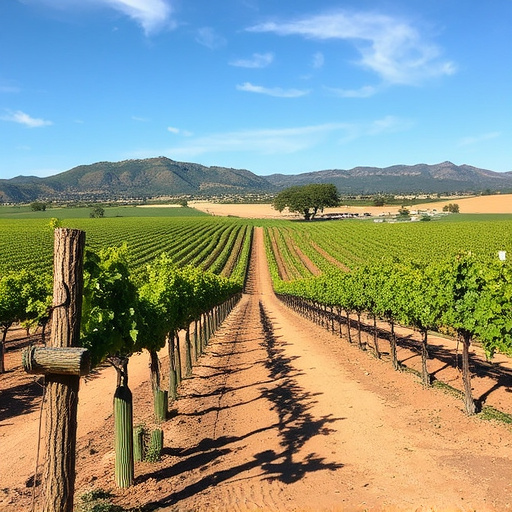
In the vibrant wine landscape of Arizona, the neighboring regions of Sonoita stand out for their distinctive microclimates, each offering unique challenges and rewards for viticulturists and sommeliers alike. This comparative tasting explores how these microclimates translate into nuanced wines, providing an in-depth look at the subtle yet significant differences between vineyards located within this naturally diverse region.
Sonoita’s varying elevations, terrains, and exposure to sun and wind create a mosaic of microclimates that significantly impact grape ripening and wine characteristics. For instance, high-elevation vineyards experience cooler temperatures, delaying sugar accumulation and allowing for a longer growing season, resulting in wines with brighter acidity and more pronounced fruit notes. Conversely, lower-lying areas benefit from warmer days and nights, leading to richer, fuller-bodied wines with deeper color and flavor complexities. A practical approach for wine enthusiasts is to taste these microclimate wines side by side, taking note of the subtle differences in aroma, palate, and finish. This practice reveals the intricate relationship between terroir and wine quality, offering a more comprehensive understanding of Sonoita’s diverse viticultural offerings.
Experts suggest that comparing wines from different microclimates within the same region can be a powerful educational tool. By examining these nuances, one gains insight into the unique expressions of each vineyard and the potential for varietal-specific terroir in Arizona wine country. For instance, a Cabernet Sauvignon from a cool, elevated site may exhibit herbs and black currant notes, while its counterpart from a warmer, lower valley could showcase dark fruits and chocolate undertones. This knowledge empowers both professionals and consumers to make more informed decisions, appreciating the distinct personalities of each wine.
Furthermore, understanding microclimate influences allows winemakers to make strategic decisions about vineyard management and grape variety choices. Data collected from various Sonoita vineyards can guide future planting and harvesting practices, ensuring that the region’s diverse terroir is harnessed for optimal wine production. This exploration not only enriches the dining experience but also solidifies Arizona as a game-changer in the global wine scene, where microclimate wines offer a symphony of flavors that speak to the unique character of this vibrant landscape.
The Art of Winemaking: Adapting Practices to Local Conditions in Sonoita Vineyards
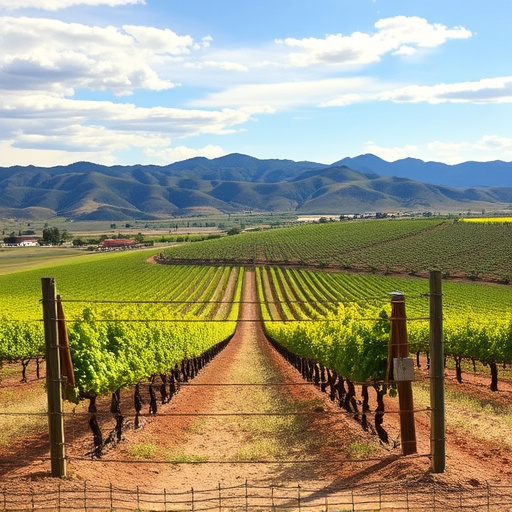
The art of winemaking in the Sonoita region of Arizona is a testament to the adaptability and ingenuity of winemakers who have embraced the unique challenges presented by this diverse terroir. This area, naturally divided into several microclimates, offers a captivating landscape for viticulture, where each vineyard must navigate distinct weather patterns, soil types, and solar exposure. Winemakers here employ a variety of practices tailored to these local conditions, resulting in a remarkable range of wine styles that reflect the region’s distinct character.
In the heart of Sonoita, vineyards nestled among the mountains experience cooler temperatures and higher elevations, leading to slower ripening grapes with higher acidity levels. This environment is ideal for white wine varieties such as Riesling and Sauvignon Blanc, which thrive in these conditions, producing crisp, vibrant wines. In contrast, the lower-lying areas near the border of Mexico enjoy warmer days and sunnier skies, perfect for cultivating red grape varieties like Tempranillo and Syrah. These vineyards often produce fuller-bodied reds with richer flavors, showcasing the region’s ability to foster diverse wine styles through careful site selection.
Furthermore, winemakers in Sonoita utilize innovative techniques to enhance their practices. Some employ canopy management strategies to control sun exposure, allowing for precise grape ripening and flavor development. Others experiment with alternative fermentation methods or age wines in various types of oak barrels to add complexity and unique sensory characteristics. This commitment to excellence and adaptability ensures that the wines from Sonoita region vineyards continue to captivate palates, attracting wine enthusiasts who appreciate the distinct flavors and stories woven into each bottle.
By delving into the diverse natural environment of the Sonoita region vineyards in Arizona, this article has unveiled the profound impact microclimates have on wine production. Understanding terroirs—the unique interplay of soil, sun, and wind—is key to unlocking the distinct flavors these vineyards naturally cultivate. Through comparative tastings, we’ve witnessed how subtle variations in microclimate translate into nuanced wine characteristics. Furthermore, winemakers in Sonoita have demonstrated their artistry by adapting practices to local conditions, showcasing the region’s potential for producing truly remarkable wines that reflect their natural setting. Armed with this knowledge, readers can appreciate the intricate relationship between vineyards in Sonoita, AZ, and the climate that shapes them, ultimately enhancing their appreciation of these unique wine offerings.