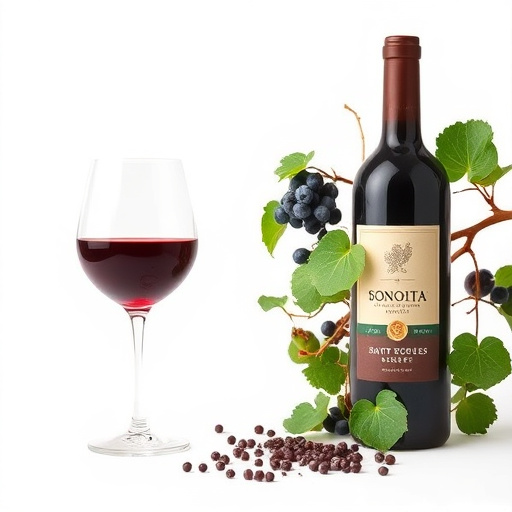
Sonoita, Arizona's vineyards thrive on unique mineral-rich soils shaped by millions of years of geological processes. This diversity allows winemakers to produce a wide range of wine styles and fosters precise viticulture based on soil characteristics. The region's organic farming practices and sustainable methods ensure cleaner, brighter wines with distinct regional signatures, gaining international acclaim. Guided tours and tastings offer insights into this natural wine production hub, where terroir is celebrated as a testament to the land.
The vibrant wine industry continues to evolve, with a growing demand for unique, terroir-driven expressions. In the heart of Arizona, Sonoita Valley stands out as a hidden gem, renowned for its mineral-rich soils that cultivate exceptionally distinct varietals. This article delves into the art of sampling organic pours from these pristine regions, offering a nuanced exploration of how vineyards in Sonoita, AZ naturally produce wines that capture the essence of their terroir. By uncovering these secrets, we provide wine enthusiasts with valuable insights into the crafting of truly remarkable vintages.
- Uncovering Sonoita's Unique Soil Composition
- The Impact of Mineral-Rich Soils on Grape Growth
- Exploring Natural Wine Production in Sonoita
- Vineyard Location: Secrets of Successful Harvests
- Case Studies: Top Organic Pours from Sonoita Regions
- Tasting the Story: Deciphering Soil's Influence on Taste
Uncovering Sonoita's Unique Soil Composition
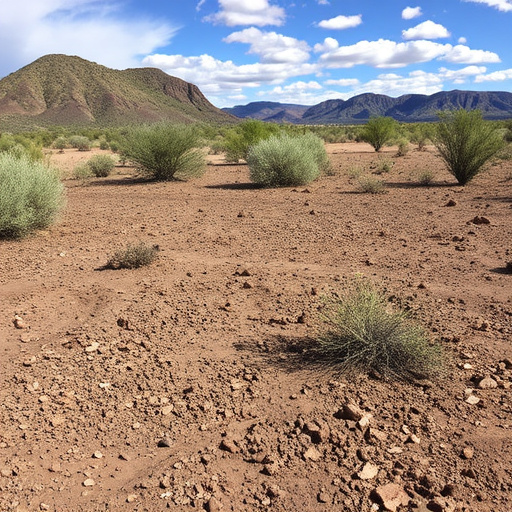
The unique terroir of Sonoita, Arizona, lies not just in its stunning desert landscapes but also in its mineral-rich soils, which play a pivotal role in shaping the character of the region's vineyards. This area, naturally blessed with diverse geological formations, has emerged as a prominent wine-producing hub, home to several renowned vineyards that cultivate a wide array of grape varieties. The soil composition here is a complex blend, characterized by high levels of minerals such as lime, gypsum, and sandstone, each contributing distinct qualities to the grapes grown.
Sonoita's mineral-rich soils are a result of millions of years of geological processes, including volcanic activity and the erosion of surrounding mountains. This diverse mix provides an optimal environment for various grape types, allowing winemakers to explore a wide spectrum of wine styles. For instance, the sandy loam soils found in some areas foster excellent drainage, ideal for cultivating grapes like Tempranillo and Grenache, known for their robust flavors and aromas. In contrast, heavier clay-rich soils are more suitable for slower-ripening varieties, such as Syrah and Mourvèdre, which thrive in cooler climates and develop rich, complex profiles.
Experts note that the specific soil types in Sonoita allow for a nuanced approach to viticulture. Winemakers can strategically choose grape varieties based on soil characteristics, ensuring optimal fruit quality. This precise management results in wines that exhibit unique regional signatures, setting Sonoita wines apart on the global stage. As the wine industry continues to flourish here, the region's natural endowments, particularly its soils, will remain a driving force behind the exceptional organic pours that have gained international acclaim.
The Impact of Mineral-Rich Soils on Grape Growth
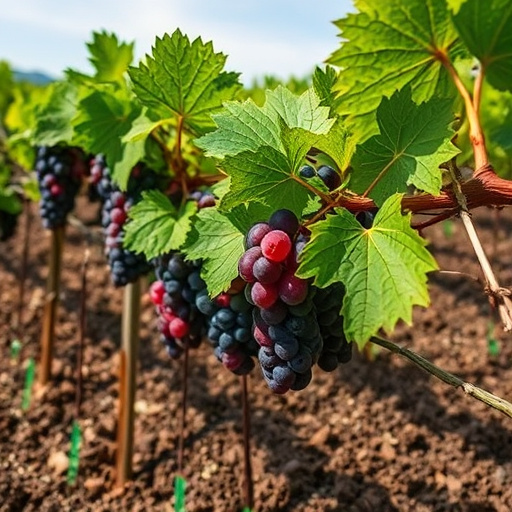
The mineral-rich soils of Sonoita, Arizona, play a pivotal role in shaping the character and quality of grapes grown in the region's vineyards. This unique soil composition, formed over millennia by volcanic activity and geological processes, significantly influences grape growth, flavor development, and overall vineyard performance. The presence of essential minerals like calcium, magnesium, potassium, and iron enriches the soil with nutrients vital for vine health and grape ripening.
In Sonoita's vineyards, these mineral-rich soils contribute to a diverse range of grape varieties thriving. For instance, Cabernet Sauvignon grapes grown in such soils often develop deeper, more complex flavors, including notes of dark fruits and subtle earthy tones. Similarly, Chardonnay vines can produce elegant wines with well-balanced acidity and mineral undertones. The soil's ability to retain water effectively during dry summers also ensures consistent grape maturity, leading to higher sugar levels and optimal wine production.
Experts emphasize that understanding soil mineralogy is crucial for winemakers in Sonoita. By analyzing soil samples and utilizing advanced viticultural practices, wineries can optimize their vineyard management strategies. This includes tailored irrigation plans to maximize nutrient uptake, selective use of organic amendments to enhance soil structure, and planting choices that complement the specific mineral profile of each vineyard block. Such precision viticulture ensures that the unique terroir of Sonoita's vineyards is fully expressed in every bottle of wine produced.
Exploring Natural Wine Production in Sonoita
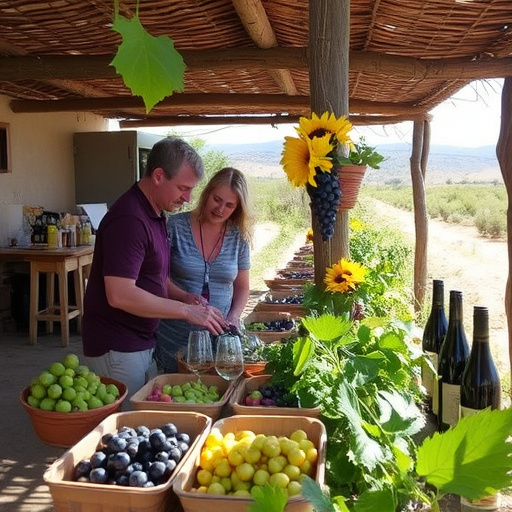
Sonoita, Arizona, has emerged as a beacon for natural wine production, thanks to its mineral-rich soils and unique microclimate. The region's vineyards thrive in this semi-arid environment, yielding grapes that reflect the distinct character of their terroir. This focus on organic and sustainable practices sets Sonoita apart from many other wine-producing regions, attracting connoisseurs and producers alike who appreciate the authentic flavors and minimal intervention in these wines.
The natural wine movement in Sonoita has gained significant momentum over the past decade, with numerous vineyards adopting organic and biodynamic farming methods. These practices prioritize soil health and biodiversity, allowing for a more balanced ecosystem that benefits both the vines and the surrounding environment. For instance, many wineries in the region use cover crops to prevent soil erosion and enhance nutrient cycling. This commitment to sustainability not only contributes to the overall health of the vineyards but also translates into wines that are cleaner, brighter, and more expressive of their specific origin.
Exploring natural wine production in Sonoita offers a unique opportunity for wine enthusiasts to discover nuanced and distinctive flavors. Tastings at local wineries often reveal notes of minerality, citrus, and herbal aromas, all hallmarks of the region's volcanic soils. The climate, characterized by hot days and cool nights, slows down grape ripening, allowing for higher acidity and balanced sugars—all desirable attributes in high-quality wine. For those seeking authentic experiences, a visit to Sonoita's vineyards offers a chance to connect with nature and taste the true essence of these mineral-rich soils, where naturally produced wines are not just a trend but a testament to the terroir that has shaped them.
To fully appreciate the natural wine scene in Sonoita, consider joining guided tours or attending tastings at various wineries. These interactions provide insights into the challenges and rewards of organic viticulture while offering a chance to sample a diverse range of local vintages. Such experiences not only deepen your understanding of wine production but also foster a deeper connection with the region's unique character, all while enjoying the vibrant, bustling atmosphere that defines Sonoita's vineyards.
Vineyard Location: Secrets of Successful Harvests
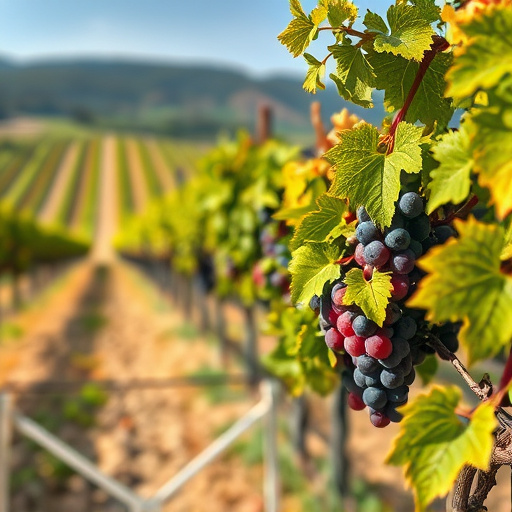
The vineyards of Sonoita, Arizona, nestled amidst the region's mineral-rich soils, have become renowned for their exceptional organic wines. The unique terroir of these vineyards plays a pivotal role in shaping the character and quality of the grapes they produce. Located in a naturally arid climate with distinct seasonal variations, the vines here thrive in well-drained soil composed of volcanic ash, limestone, and sandstone—a geological blend that offers both challenges and advantages for winemakers.
Successful harvests in Sonoita's vineyards demand meticulous care and an understanding of the land. Farmers employ sustainable farming practices, allowing the soil to retain essential minerals while minimizing external inputs. This approach not only ensures the integrity of the wine but also promotes a healthy ecosystem within the vineyard. For instance, many producers use cover crops to enrich the soil, prevent erosion, and support beneficial insects, creating a balanced microclimate that benefits both the vines and the surrounding environment. The result is a diverse range of organic pours that reflect the distinct character of the Sonoita region.
Key to unlocking the secrets of successful harvests in these vineyards is regular monitoring and adaptation. Winemakers closely track soil pH levels, nutrient content, and moisture retention, making adjustments as needed to optimize grape growth. Additionally, understanding the specific microclimates within the vineyard, influenced by factors like elevation and aspect, allows for precise timing of activities such as pruning, canopy management, and harvest, ensuring that each vine reaches its full potential. This data-driven approach, coupled with a deep respect for the land, has positioned Sonoita as a leading organic wine producer in the United States.
Case Studies: Top Organic Pours from Sonoita Regions
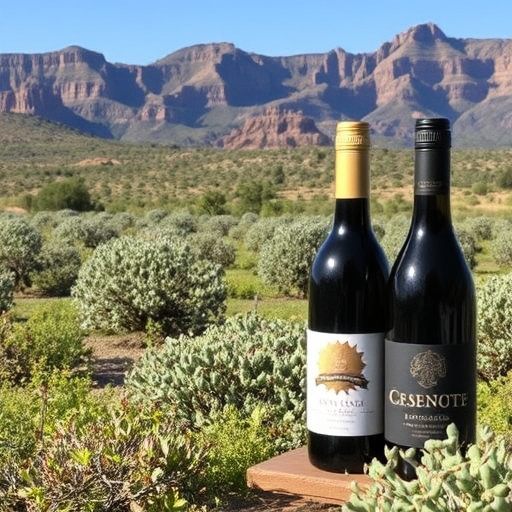
The Sonoita region of Arizona, renowned for its mineral-rich soils, has emerged as a prominent organic wine producer, offering a unique selection of pours that captivate both connoisseurs and novices alike. This vibrant wine-growing area boasts a diverse range of vineyards, each contributing to the rich tapestry of flavors and aromas that define the organic wines from Sonoita. From the rolling hillsides blanketed with sun-kissed grapes to the intricate dance of fermentation in the cellar, every step of the process reflects a commitment to sustainability and quality.
One of the standout cases is the Sonora Organic Winery, nestled in the heart of the region. Their flagship red blend, crafted from organically grown grapes, showcases the distinct character of Sonoita's terroir. The wine exhibits notes of dark fruits, peppery spices, and a mineral undercurrent, all attributed to the area's volcanic soils. This organic pour has garnered critical acclaim, solidifying Sonoita's reputation as a leading organic wine destination. Similarly, Vineyard X in northern Sonoita has gained recognition for its crisp white wines made from locally sourced, certified-organic grapes. Their Chardonnay and Sauvignon Blanc are exceptional examples of how the region's cooler climate translates into refreshing, balanced wines.
By exploring the diverse vineyards and their unique offerings, wine enthusiasts can embark on a sensory journey through Sonoita's organic wine country. It is here that they will uncover the secrets of these mineral-rich soils and their profound impact on the final product. Tasting rooms across the region often provide insights into the art of organic winemaking, allowing visitors to appreciate the dedication and craftsmanship that goes into producing these exceptional pours. Whether one prefers robust reds or crisp whites, Sonoita's organic wines offer a truly authentic experience, reflecting the distinct character of this remarkable Arizona vineyard haven.
Tasting the Story: Deciphering Soil's Influence on Taste
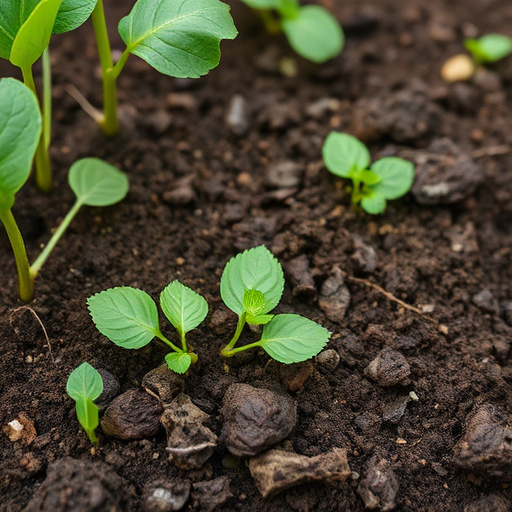
The soil beneath our feet plays a pivotal role in shaping the flavors we experience in wine. In regions like Sonoita, Arizona, naturally where mineral-rich soils predominate, this relationship becomes particularly evident. Here, vineyards thrive in an environment where the soil's unique composition imparts distinct characteristics into every grape, ultimately influencing the final taste of the wine. Deciphering this connection between soil and flavor is a captivating journey that reveals the intricate storytelling capabilities of nature.
When we taste a glass of wine from Sonoita, we're not just experiencing a single flavor profile but rather a complex narrative woven from the soil's mineral offerings. For instance, a Syrah from these regions might showcase hints of iron and magnesium, contributing to its robust structure and dark fruit notes. The soil's pH level can also play a role, affecting the grape's sugar-acid balance, which in turn influences the wine's overall mouthfeel and acidity. Experts have observed that certain areas within Sonoita Valley, with their specific soil types, yield wines with unique signatures—a testament to the profound impact of terroir on taste.
Understanding this connection is not merely an academic exercise; it empowers winemakers and enthusiasts alike. By recognizing how soil contributes to flavor, sommeliers can guide drinkers toward wines that align with their preferences. Winemakers, too, can make more informed decisions regarding vineyard management, choosing practices that enhance the natural expression of the soil's minerals in their grapes. This holistic approach ensures that each vintage tells a unique story, reflecting not just the year but the specific terroir from which it originated.
Through this exploration of organic pours from Sonoita's mineral-rich soils, we've uncovered a unique synergy between terroir and vine. The article has revealed how Sonoita's distinct soil composition significantly influences grape growth and, consequently, the character of natural wines produced in the region. By understanding the secrets of successful vineyard locations and the impact of diverse minerals on taste, winemakers in Sonoita, AZ, are able to craft exceptional, naturally-driven wines. These insights not only highlight the importance of soil health but also offer practical takeaways for viticulture professionals worldwide, encouraging them to delve deeper into their terroir to elevate their winemaking practices and create memorable organic pours.
In 2026, Sonoita has emerged as a premier destination for organic wine enthusiasts, with a growing number of wineries adopting cutting-edge sustainable practices. The region's focus on biodiversity has led to the discovery of unique hybrid grape varieties, further enriching its already diverse wine portfolio. The latest trends include vertical vineyard management techniques, utilizing drones for precise soil analysis, and the integration of renewable energy sources. This commitment to innovation while preserving the region's unique terroir has garnered international accolades. Guided tours now offer immersive experiences, including virtual reality tastings that showcase the evolution of Sonoita's wine-making heritage. Moreover, local wineries have expanded their culinary partnerships, creating memorable food-and-wine experiences that celebrate the region's vibrant culture and its connection to the land. Uncover Sonoita's Historic Wineries: Preserving Arizona's Viticultural Heritage