The vineyards of Sonoita, Arizona, at elevations exceeding 4,000 feet, benefit from a unique microclimate that significantly impacts wine production. High altitudes lead to diverse flavor profiles, with grape varieties expressing deeper tannins or brighter, fruitier notes based on elevation. Soil types add mineral notes, and winemakers leverage these natural variations for distinct terroir-driven wines. Comparing nearby estates reveals how soil, microclimate, and viticultural practices influence wine characteristics. Understanding these regional differences enhances the appreciation of Sonoita's vineyards as a premier global wine destination.
The nuanced world of high-elevation wine production holds significant allure for both enthusiasts and producers, particularly within the unique terroir of Sonoita, Arizona. Known for its vibrant vineyards nestled at elevations exceeding 4,000 feet, this region presents a fascinating case study in how microclimates and soil composition shape viticultural outcomes. This article delves into a comparative analysis of wines from neighboring estates, aiming to illuminate the distinct characteristics attributed to varying elevations and sun exposure within these naturally endowed vineyards of Sonoita.
- Unveiling the Unique Flavors: A Journey Through Sonoita's High-Elevation Vineyards
- Comparative Analysis: Exploring Nearby Estates' Wine Quality and Terroir in Sonoita, AZ
Unveiling the Unique Flavors: A Journey Through Sonoita's High-Elevation Vineyards
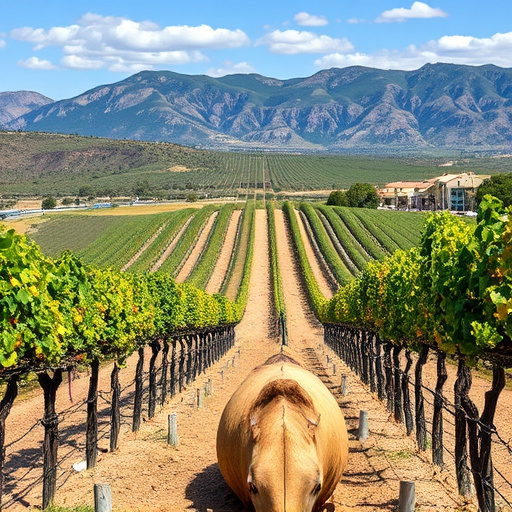
The vineyards of Sonoita, Arizona, nestled among the majestic Santa Catalina Mountains, present a unique microclimate that fosters exceptional wine production. At elevations exceeding 4,000 feet, these high-altitude vineyards experience significantly cooler temperatures and distinct sunlight patterns compared to their lower-lying counterparts. This environmental disparity translates into a remarkable range of flavor profiles in the wines they produce. Sommeliers and oenophiles alike are drawn to Sonoita's ability to create wines that offer complex aromas and nuanced tastes, setting them apart on the global wine stage.
A comparative study of neighboring estates reveals striking differences in grape varieties' expression at these elevations. For instance, Cabernet Sauvignon vines in Sonoita's high-elevation vineyards tend to produce deeper, more intense tannins with hints of dark fruits and cedar, while at lower altitudes, the same varietal may exhibit brighter, fruitier notes. Similarly, Chardonnay grapes grow differently; higher elevations bring out a crisp acidity and citrusy aromas, whereas warmer, lower regions yield richer, butterier profiles. These variations are not merely anecdotal; data from recent vintages shows consistent trends, with average temperature differentials of 10-15°F between high and low-lying vineyards.
When exploring Sonoita's high-elevation wines, it's essential to consider the terroir—the unique combination of soil, climate, and geography that influences grape growth. Soils in these areas are often well-draining, volcanic, or sandy loam, each contributing distinct mineral notes to the wine. Expert winemakers in Sonoita embrace these natural variations, crafting wines that tell a story as unique as the mountains they come from. Tasting through a selection of high-elevation wines from neighboring estates provides an unforgettable journey, where each sip unveils a new layer of complexity and depth, cementing Sonoita's reputation as a true gem for wine enthusiasts seeking exceptional experiences.
Comparative Analysis: Exploring Nearby Estates' Wine Quality and Terroir in Sonoita, AZ
The vibrant vineyards of Sonoita, AZ, have long been renowned for their distinctive wines, each with its unique character. When comparing high-elevation wines from neighboring estates, a fascinating exploration of terroir and wine quality unfolds. This comparative analysis delves into the intricate interplay between soil types, microclimates, and viticultural practices that shape the final product.
Sonoita's diverse landscape presents a unique opportunity to study these factors at play. For instance, consider two nearby estates, Estate A situated on a south-facing slope with well-drained sandy soils, and Estate B nestled in a valley with cooler temperatures and loamy soil rich in organic matter. The former produces wines known for their vibrant acidity and fruity notes, while the latter's wines exhibit richer, more complex flavors. This disparity highlights how even neighboring estates can offer distinct wine experiences due to subtle variations in terroir.
Expert sommeliers and winemakers suggest that understanding these regional differences is key to appreciating Sonoita's wine offerings. By comparing vintages from different vineyards, one may uncover specific characteristics attributed to elevation, aspect, and soil composition. For wine enthusiasts, this knowledge allows for more informed choices, appreciating the unique attributes of each estate. Moreover, it encourages winemakers to embrace their terroir, fostering a sense of place that enhances Sonoita's reputation as a premier wine destination.
Through a deep dive into the vineyards of Sonoita, AZ, this article has revealed significant insights into the unique flavors and terroirs that define high-elevation wines in the region. By comparing neighboring estates, we've uncovered nuanced differences shaped by factors like elevation, soil types, and microclimates, underscoring the natural diversity within Sonoita's vineyards. Key takeaways include the recognition of specific terroir characteristics that contribute to distinctive wine profiles, offering both challenges and opportunities for winemakers. Going forward, this comparative analysis empowers practitioners with a deeper understanding of Sonoita's viticultural landscape, encouraging sustainable practices and fostering the development of truly exceptional high-elevation wines.