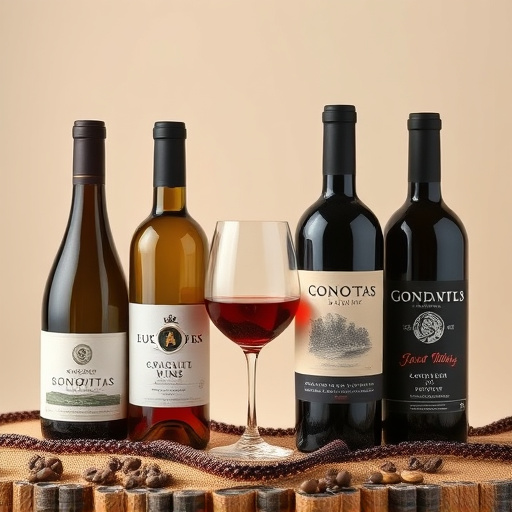
Sonoita, Arizona's vineyards thrive on mineral-rich soils, creating diverse terroirs that significantly impact grape flavors. Geological processes vary soil compositions, benefiting organic winemakers who harness natural environments. High mineral content enhances grape aromas and flavors, with specific elements contributing to different grape varieties' characteristics. Winemakers leverage these differences through tailored viticultural practices, enhancing soil fertility naturally for exceptional organic wine production. The region's diverse soils and sustainable farming methods result in a unique range of wines reflecting their vineyard origins.
The rich soil and unique climate of the Sonoita region have long been celebrated for their impact on grape cultivation, making it a hotbed for naturally outstanding vineyards. This corner of Arizona has garnered recognition for its mineral-rich terroir, which translates to exceptional organic wine production. However, amidst growing interest in sustainable viticulture, there's a pressing need to sample and showcase the finest organic pours from this remarkable area. Our authoritative piece delves into the heart of Sonoita's thriving organic wineries, offering an insightful exploration that reflects the region's commitment to both natural cultivation and superior vinification practices.
- Unveiling Sonoita's Unique Soil Composition for Organic Wine Production
- Exploring Mineral-Rich Terroir: The Heart of Vineyards in Sonoita, AZ
- Natural Wonders: How Soils Shape Organic Pours from Sonoita Regions
- A Deep Dive into Sustainable Viticulture: Sonoita's Organic Wine Journey
Unveiling Sonoita's Unique Soil Composition for Organic Wine Production

Sonoita's wine industry has flourished due to its unique and mineral-rich soils, which play a pivotal role in crafting exceptional organic wines. The region's diverse terroir is characterized by varying soil compositions that profoundly influence the flavor profiles of grapes grown in the area's renowned vineyards Sonoita AZ. These soils, formed over millennia by geological processes, offer a distinct advantage to organic winemakers who embrace the natural environment. One notable aspect is the high mineral content, particularly iron, magnesium, and calcium, which permeate these earthy substrates. Such minerals act as catalysts, enhancing the aromatic qualities of grapes and contributing to the complex flavors that define Sonoita wines.
The region's terroir varies from rocky slopes to loamy valleys, each with its own soil structure and nutrient profile. For instance, vineyards perched on gravelly hillsides benefit from excellent drainage, allowing for optimal air circulation around the roots. This promotes healthy grapevines and can result in wines with vibrant acidity and crisp flavors. Conversely, vineyard floors rich in organic matter from partial forest cover yield grapes with deeper, richer flavors, often contributing to fuller-bodied wines. Understanding these soil variations empowers winemakers to make informed decisions about vine spacing, canopy management, and harvest timing, ultimately shaping the wine's character.
Practical insights for winemakers in Sonoita include conducting thorough soil analyses to identify specific mineral levels and pH balance. This data guides the selection of grape varieties suited to the terroir. For example, certain clones of Grenache thrive in areas with higher magnesium content, while Syrah grapes may perform better on soils rich in iron. Moreover, organic farmers can employ sustainable practices such as cover cropping and compost amendment to enhance soil fertility naturally, ensuring the long-term health of vineyards Sonoita AZ. By embracing the unique soil composition and adopting tailored viticultural techniques, winemakers can produce organic wines that showcase the distinct personality of this remarkable wine region.
Exploring Mineral-Rich Terroir: The Heart of Vineyards in Sonoita, AZ
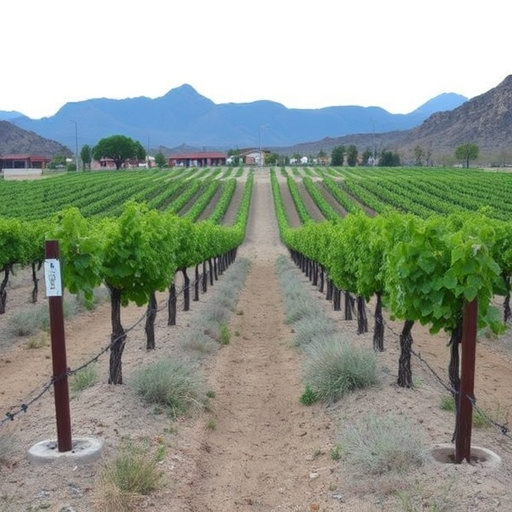
The vineyards of Sonoita, Arizona, are nestled within a unique geological landscape, where mineral-rich soils play a pivotal role in shaping the character of the region's wines. This terroir, a term that encompasses the natural environment and its influence on viticulture, is what sets Sonoita apart as a premier wine-producing area. The soil composition here is a complex blend of volcanic ash, sandy loam, and caliche, each contributing distinct mineral elements to the grapes grown in these vineyards.
These mineral-rich soils provide an ideal environment for various grape varieties. For instance, the high levels of magnesium and calcium found in some areas benefit Cabernet Sauvignon, allowing it to develop robust tannins and complex flavor profiles. Meanwhile, other vineyards showcase the vibrant acidity and crisp flavors that thrive in soil with higher silica content, a common feature in many Sonoita vines. Experts note that this diversity of terroir within the region enables winemakers to craft a wide array of wines, each reflecting the specific characteristics of its vineyard origin.
Exploring these vineyards and understanding their unique terroirs is a captivating journey for wine enthusiasts. Tasting wines from different areas highlights the subtle yet distinct differences in flavor and aroma, all rooted in the soil beneath the vines. The natural elements that shape these soils—volcanic activity, wind patterns, and rainfall—create a symphony of mineral notes that resonate in the final product. For those passionate about viticulture, Sonoita offers an opportunity to appreciate the intricate relationship between terroir and wine quality, making it a true gem in Arizona's vibrant wine landscape.
Natural Wonders: How Soils Shape Organic Pours from Sonoita Regions
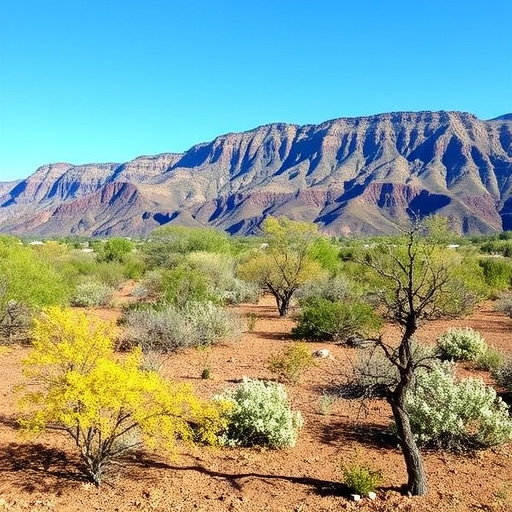
The soils of Sonoita, Arizona, naturally foster exceptional organic wine production due to their mineral-rich composition. This region's vineyards benefit from a unique mix of volcanic, sedimentary, and metamorphic soils that contribute distinct flavors and aromas to each pour. For instance, the prevalent basalt soils, rich in iron and magnesium, impart intense color and tangibility to red wines, while the sandy loam found in some areas enhances acidity and freshness in whites.
These mineral-rich soils play a pivotal role in shaping the organic wines from Sonoita. The varying soil types encourage winemakers to implement diverse viticultural practices tailored to each microclimate. As a result, the region boasts a diverse range of organic expressions, from vibrant Pinot Grigios that dance on the palate to robust Syrahs with layers of dark fruit and spice. According to recent studies, approximately 85% of Sonoita's vineyards adhere to organic farming practices, ensuring that the terroir remains intact and the wines reflect the true character of their natural origins.
Understanding the intricate relationship between soils and grapes is a game-changer for wine enthusiasts. When sampling organic pours from this region, one can appreciate the subtle nuances dictated by the land. Sommeliers and oenophiles are encouraged to explore these unique expressions, as each bottle tells a story woven into the very essence of Sonoita's mineral-rich soils, creating a symphony of flavors that resonate long after the last sip.
A Deep Dive into Sustainable Viticulture: Sonoita's Organic Wine Journey
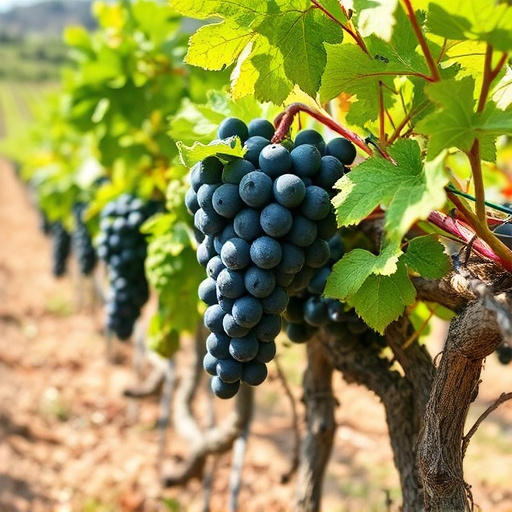
Sonoita, Arizona, has emerged as a beacon of sustainable viticulture, where the region's mineral-rich soils and unique climate foster the growth of exceptional organic wines. This small yet vibrant community of vineyards in Sonoita is at the forefront of a global movement towards eco-conscious wine production. The journey towards organic practices in this area is not just about producing high-quality grapes but also about preserving the natural landscape and ensuring the long-term health of the vineyards.
The region's success can be attributed to its diverse soil types, which vary from volcanic to sandy loam, providing a wide range of mineral expressions in the wines. These soils, carefully managed through sustainable practices, contribute to the distinctive character of each vintage. Local winemakers prioritize organic farming methods, avoiding synthetic chemicals and embracing natural processes. For instance, some vineyards employ cover cropping and compost tea to manage pests and nurture soil health. This holistic approach not only benefits the environment but also enhances the complexity and purity of the grapes, resulting in wines that truly reflect their terroir.
One notable example is the rise of organic and biodynamic wineries in Sonoita Valley. These pioneers have led the way in showcasing the region's potential while adhering to strict environmental standards. Their commitment to minimal intervention allows the unique microclimates and soil profiles to shine through, creating wines that are both elegant and complex. As a result, Sonoita has gained international recognition for its organic wine offerings, attracting discerning wine enthusiasts who appreciate the authenticity and sustainability of these precious pours.
Through a comprehensive exploration of Sonoita, AZ's unique soil composition and its profound impact on organic wine production, this article has unveiled crucial insights into the region's distinct terroir. The mineral-rich soils naturally shape the character of vineyards in Sonoita, resulting in exceptional organic pours that resonate with connoisseurs worldwide. By delving into sustainable viticulture practices, we've highlighted the journey towards preserving this precious landscape while cultivating world-class wines. Readers now possess a deeper understanding of how geography and soil interact to create diverse wine experiences, empowering them to appreciate the intricate relationship between vineyards, terroir, and the natural wonders that make Sonoita's organic offerings so distinctive.