Vineyards in Arizona's Sonoita region embrace dry farming, a sustainable practice tailored to the arid climate. This method minimizes water usage (up to 80%) while maximizing soil health through natural rainfall retention and efficient deep-rooted plants. Key techniques include drought-adapted grape varieties, strategic canopy management, contour planting, and native flora promotion. Sonoita vineyards sonoita az serve as a global model for eco-conscious viticulture, showcasing high-quality grapes with concentrated flavors while preserving unique terroir and ecological balance.
The global wine industry faces a significant challenge: balancing quality production with environmental sustainability. In response, eco-conscious vineyards are emerging as beacons of change, particularly in regions like Sonoita, Arizona, known for its arid climate. This article delves into the innovative practices of these vineyards, exploring how they’re mastering dry farming—a method that reduces water usage and minimizes environmental impact. By adopting these strategies, Sonoita’s vineyards not only ensure their long-term viability but also contribute to a more sustainable future, offering a compelling model for other wine regions worldwide.
- Understanding Dry Farming in Sonoita's Vineyards
- The Eco-Conscious Revolution in Arizona Wine Country
- Natural Water Management: A Vineyard's Key to Sustainability
- Soils and Sun: Unlocking the Secrets of Sonoita Region
- Wildlife and Wine: Coexistence in Eco-Friendly Vineyards
- Tasting the Future: Sustainable Practices in Local Wines
Understanding Dry Farming in Sonoita's Vineyards
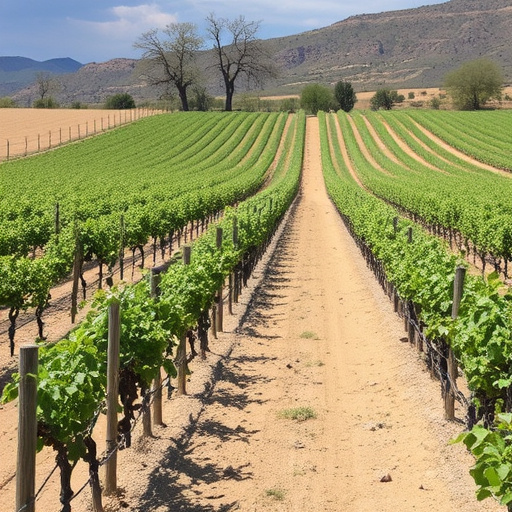
In the heart of Arizona’s Sonoita region, vineyards have embraced a unique and sustainable practice—dry farming. This method, naturally suited to the area’s arid climate, showcases an innovative approach to viticulture that minimizes water usage while maximizing soil health. Dry farming in these vineyards involves a deep understanding of the land, where grapes are grown without artificial irrigation, relying instead on natural rainfall and efficient water retention strategies.
Sonoita’s natural environment presents both challenges and advantages for viticulturists. With limited annual rainfall, the region demands creative water management techniques. Dry-farmed vineyards in this area utilize several practical insights. First, they carefully select grape varieties adapted to drought conditions, ensuring better resilience. Secondly, comprehensive soil management practices, including cover cropping and organic matter addition, enhance water retention capacity. These methods not only conserve precious water but also improve soil structure and fertility over time. For instance, some successful dry-farming operations in Sonoita have reported up to 40% less water usage compared to conventionally irrigated vineyards, while maintaining high-quality grapes.
Expert perspectives highlight the long-term benefits of this practice. Dry farming fosters a more diverse and resilient ecosystem within the vineyard. By minimizing chemical inputs and focusing on natural processes, these vineyards contribute to the overall health of the region’s unique terroir. Moreover, as water scarcity becomes an increasingly pressing global issue, the success of dry farming in Sonoita offers valuable insights for sustainable viticulture worldwide. Vineyard managers in this region continuously refine their techniques, ensuring that future harvests thrive while preserving the natural beauty and ecological balance of these remarkable wine-growing areas.
The Eco-Conscious Revolution in Arizona Wine Country
The Eco-Conscious Revolution in Arizona Wine Country
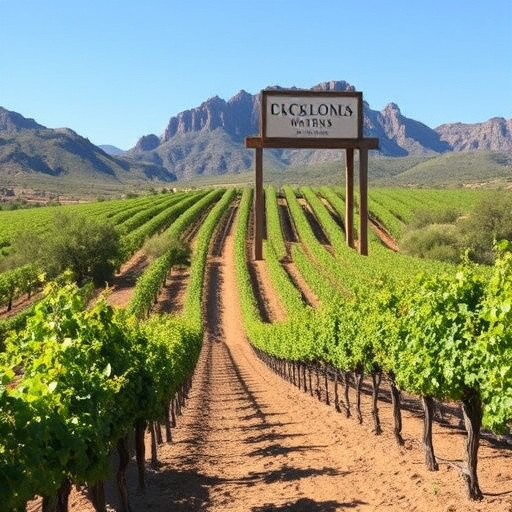
In the heart of Arizona’s stunning landscape lies the Sonoita region, a hidden gem known for its rugged beauty and emerging eco-conscious wine industry. This area has become a beacon for sustainable practices, particularly dry farming, which is reshaping how vineyards are managed and perceived worldwide. By embracing natural processes and minimizing interference, Sonoita vineyards are not only producing exceptional wines but also contributing to the preservation of their unique ecosystem.
Dry farming, where rain is relied upon rather than irrigation, has been practiced in this region for decades, with some wineries dating back to the early 1900s. Today, many new and established vineyards are adopting this method, reducing water usage by up to 80% and minimizing chemical inputs. The result is a diverse and resilient ecosystem that supports a wide array of native plants and wildlife. For instance, the Sonoran Desert’s native vegetation, including cacti and wildflowers, thrives alongside the grapevines, creating a harmonious balance that is both aesthetically pleasing and ecologically significant.
Expert winemakers in Sonoita are sharing their knowledge and techniques, demonstrating that eco-conscious practices can enhance wine quality while promoting environmental stewardship. By focusing on organic matter and soil health, these vineyards are not only reducing their carbon footprint but also producing wines with distinct character and complexity. As consumer demand for sustainable products continues to grow, the success of Sonoita’s eco-conscious vineyards serves as a powerful model for the global wine industry, proving that exceptional quality and environmental responsibility can go hand in hand.
Natural Water Management: A Vineyard's Key to Sustainability
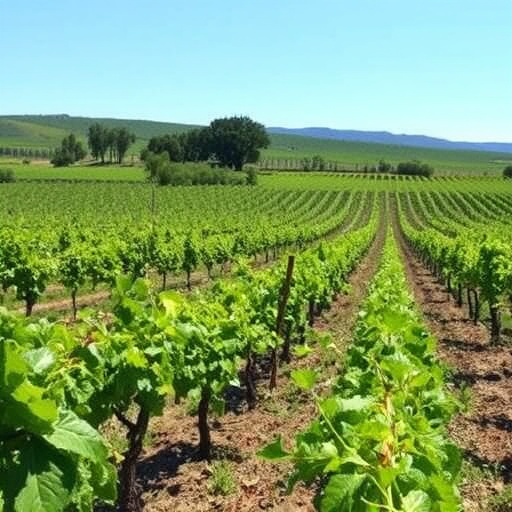
In the heart of Arizona’s Sonoita region, vineyards are not just cultivating grapes; they’re also pioneering sustainable practices, with natural water management emerging as a cornerstone of their eco-conscious approach. This distinctive dry farming method, unique to the area, reflects the region’s arid climate and limited water resources. Unlike traditional viticulture reliant on extensive irrigation, Sonoita vineyards have embraced a more nuanced relationship with water, relying on deep-rooted plants, strategic canopy management, and minimal intervention to thrive.
The natural water management strategies employed by these vineyards are both science and art. For instance, many farms utilize contour planting, where vines are strategically positioned along the natural slope of the land, encouraging deep root systems that access groundwater efficiently. Additionally, careful canopy pruning ensures optimal sunlight exposure for plants while reducing evaporation from the soil surface. These practices not only conserve water but also foster healthier grapevines and enhance overall vineyard ecosystem resilience.
A notable example is the increasing adoption of permeable soils and cover crops among Sonoita vineyards. By implementing these measures, farmers allow rainwater to penetrate deep into the soil profile, replenishing groundwater reserves without the need for supplemental irrigation. Data from local agricultural extension services suggests that early adopters have seen significant reductions in water usage while maintaining or even improving grape quality. This shift towards natural water management not only benefits the environment but also positions Sonoita vineyards as leaders in sustainable viticulture, attracting eco-conscious consumers and fostering a thriving, distinctive wine industry.
To emulate these successful practices, vineyard managers across the region are encouraged to assess their unique microclimates and soil types, adapt strategies accordingly, and embrace continuous learning. Collaborating with local agricultural experts and sharing knowledge can further accelerate the adoption of sustainable water management techniques, ensuring that Sonoita’s vineyards thrive for generations to come while preserving the region’s natural beauty.
Soils and Sun: Unlocking the Secrets of Sonoita Region
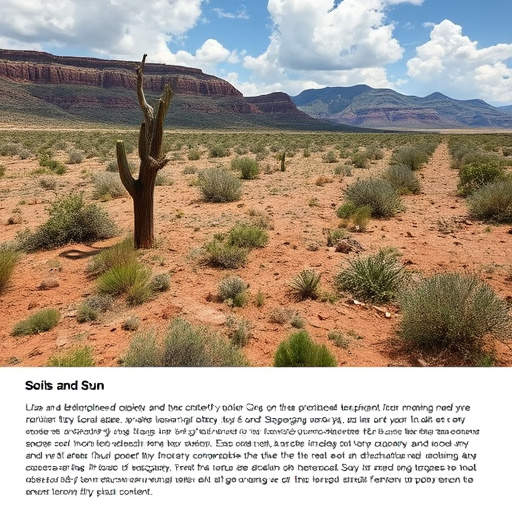
The Sonoita region, naturally endowed with unique soil compositions and unparalleled sunlight exposure, has emerged as a beacon for eco-conscious viticulture. Here, vineyards thrive not in the conventional sense of ample irrigation but through a remarkable dry farming practice that mirrors nature’s delicate balance. The region’s soils, a complex mix of sandy loams and silty clays, offer a canvas where roots can deeply penetrate, accessing water stored deep within during drilier periods—a testament to the resilience of both land and grapevines.
Sunlight in Sonoita is another defining factor. The area enjoys an average of 280 sunny days annually, with sun-kissed vineyards reflecting this abundance. This intense solar radiation plays a pivotal role in ripening grapes evenly, contributing to their distinctive flavor profiles. Winemakers here embrace the natural rhythm of the seasons, allowing grapes to mature gradually rather than relying on artificial means for quicker harvests. As a result, wines from these dry-farmed vineyards often exhibit remarkable complexity and minerality, reflecting the terroir—the unique character of the soil and environment—of the Sonoita region.
Practical insights for aspiring eco-winemakers in this area include understanding the specific soil types and their water-holding capacities. Soil testing and amendment practices should be tailored to enhance natural drainage while retaining enough moisture to support grape growth. Additionally, strategic canopy management is crucial, as it allows sunlight to reach the grapes while controlling excessive heat stress. Examples from established Sonoita vineyards show that these methods can result in high-quality fruit with minimal water usage, setting a benchmark for sustainable viticulture.
Wildlife and Wine: Coexistence in Eco-Friendly Vineyards
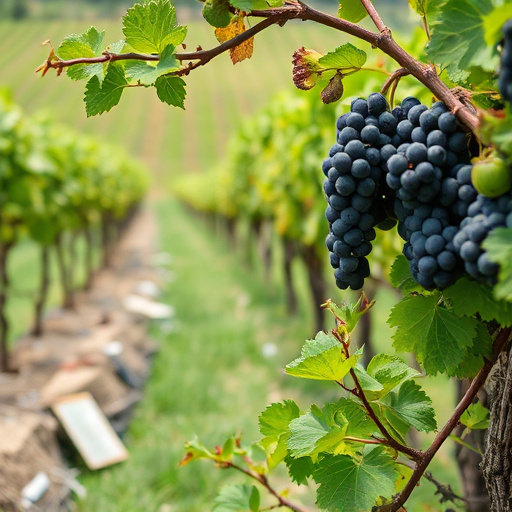
In the heart of Arizona’s Sonoita region, a unique and harmonious ecosystem unfolds among the vines, showcasing how eco-conscious vineyards can thrive while fostering biodiversity. These wineries embrace dry farming practices, allowing their land to mirror the natural cycles of the area, where water is scarce but life flourishes in drought-adapted ways. This approach not only preserves the environment but also creates a thriving habitat for local wildlife, proving that wine and wildlife can coexist peacefully.
Sonoita’s vineyards, naturally adapted to the arid climate, demonstrate remarkable resilience. By minimizing irrigation and relying on rain, these vines develop deep root systems that tap into underground reserves, resulting in concentrated fruit flavors and high-quality grapes. This dry farming method attracts a diverse range of wildlife, from birds of prey like hawks and eagles, which find shelter in the mature oak trees, to smaller creatures such as squirrels and various species of insects. The complex web of life within these vineyards is a testament to the balance achievable through sustainable practices.
Experts emphasize that eco-friendly vineyards offer more than aesthetic benefits; they play a crucial role in preserving local ecosystems. By avoiding chemical inputs and promoting native plant life, these wineries create safe havens for pollinators, beneficial insects, and fauna. For instance, beehives located near organic vineyards have been shown to produce higher-quality honey with distinct flavors, reflecting the diverse flora of the region. This natural interplay contributes to a healthier ecosystem, ensuring the long-term viability of both the vineyard and the surrounding natural landscape.
To encourage this coexistence, winemakers in Sonoita can implement several strategies. Nurturing native vegetation around the vineyard can provide food and shelter for wildlife, while careful placement of habitat structures like brush piles or birdhouses can attract specific species. Additionally, leaving buffer zones along property lines allows animals free movement and access to water sources during dry periods. By integrating these practices, Sonoita’s vineyards can become vibrant examples of sustainable coexistence, where the art of winemaking harmonizes with the natural world.
Tasting the Future: Sustainable Practices in Local Wines

In the heart of Arizona’s Sonoita region lies a captivating landscape where vineyards flourish naturally, offering a glimpse into the future of sustainable wine production. This arid terrain has become a hotbed for eco-conscious viticulture, with winemakers embracing dry farming practices that not only preserve the delicate balance of their vines but also contribute to the region’s distinct character. By forgoing traditional irrigation, these pioneering vineyards are crafting wines that reflect the unique terroir, showcasing an authentic taste of Sonoita.
Dry farming, an age-old technique, involves relying on rainfall and deep soil moisture to sustain grapevines, a method increasingly favored by winemakers committed to sustainability. In the Sonoita region, with its arid climate, this practice has become a cornerstone of eco-conscious winemaking. Local vineyards have mastered the art of cultivating grapes in this challenging environment, resulting in wines that exhibit remarkable complexity and intensity. For instance, the renowned Red Rock Vineyards employs dry farming, allowing their Cabernet Franc to develop intense flavors and a structured tannic profile, highly sought after by connoisseurs.
Tasting these locally produced wines is akin to embarking on a sensory journey through the region’s natural beauty. The grapes, nourished by nature’s bounty, impart unique characteristics in each sip. As consumer awareness of environmental issues grows, vineyards like those in Sonoita are at the forefront of a movement that prioritizes terroir and sustainability over conventional farming methods. By embracing dry farming, these wineries not only reduce their water footprint but also create wines that resonate with consumers who appreciate both quality and ecological responsibility. This shift in winemaking practices promises to shape the future of the industry, ensuring that Arizona’s vineyards continue to thrive while preserving their natural heritage.
The journey through the vineyards of Sonoita, Arizona, reveals a thriving ecosystem where dry farming practices and eco-conscious principles are reshaping the wine industry. This article has illuminated several key insights. Firstly, natural water management techniques, such as gravity irrigation and minimal tillage, demonstrate that sustainable viticulture can thrive in arid regions like Sonoita. The region’s unique soils and sun exposure offer distinct advantages for grape cultivation, allowing winemakers to produce exceptional wines while minimizing environmental impact. Moreover, the coexistence of wildlife and wine is a testament to the ecological balance achievable through responsible land stewardship. By embracing these practices, vineyards in Sonoita are not only ensuring their long-term viability but also contributing to a more sustainable future for Arizona’s wine country. Readers now possess a comprehensive understanding of how eco-conscious vineyards can prosper naturally in this remarkable region.