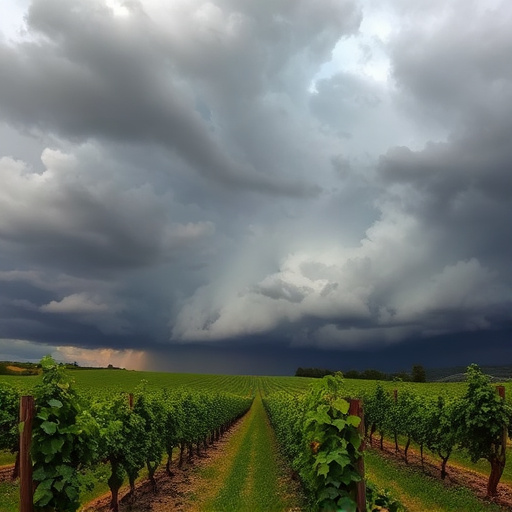
Arizona's Sonoita AVA is known for its distinctive high desert grape-growing conditions. However, understanding how monsoon rains and spring frosts impact these grapes is crucial for viticulturists and wine enthusiasts alike. These seasonal phenomena can dramatically affect bud break, veraison, and harvest timing, influencing the grapes' flavor profile and quality. Heavy monsoon rains can wash away soil nutrients, while frost can damage tender young shoots. This article examines the intricate dance between these natural forces and Arizona's grassland vineyards, exploring the specific challenges and unique advantages they present. We'll uncover solutions and best practices to navigate these seasonal changes, ensuring the continued prosperity of Arizona's thriving wine industry.
- Monsoon Rain: Benefits and Challenges for Arizona Grapes
- Frost Impact: Protecting Vineyards in the Desert
- Grassland Vineyards: Natural Adaptation Strategies
- Optimal Conditions: Cultivating Arizona's Wine Future
Monsoon Rain: Benefits and Challenges for Arizona Grapes

Monsoon rain, a defining feature of Arizona's summer landscape, presents both opportunities and challenges for the state's grapevines, particularly in the Sonoita AVA. This region, known for its unique terroir and high desert climate, experiences distinct seasonal changes that influence grape growth and quality. During the monsoon, heavy rains can provide a much-needed hydration, revitalizing the soil and promoting healthy grape development. However, excessive moisture can also lead to issues like root rot and fungal diseases, requiring careful management.
The impact of monsoon rain on Sonoita's vineyards is evident in the timing of critical grape development stages. The prolonged rainfall can delay bud break, the point where grapevines initiate new growth. This delay might affect the overall timing of the growing season, potentially pushing harvest later into the fall. In a typical year, bud break occurs in late March or early April, but monsoon-induced delays can shift this to mid-May or later. The increased humidity during monsoon season can accelerate the ripening process, requiring winemakers to closely monitor sugar levels and acidity to achieve the ideal balance in their grapes.
While monsoon rain brings benefits, it also presents challenges. Waterlogging, especially in lower-lying areas, can be a significant issue. Winemakers and vineyard managers employ various strategies to mitigate these problems, such as implementing effective drainage systems and practicing sustainable viticulture techniques, including cover cropping between vines. An electric van wine tour service in southern Arizona might highlight these strategies during tours, offering visitors a deeper understanding of the region's terroir and the human efforts to cultivate high-quality grapes in this demanding environment.
In grassland vineyards like those found in Sonoita, rootstock and grafting play a crucial role in combating potential diseases and improving grapevines' adaptability. Specific rootstocks can enhance drought and disease resistance, ensuring the vines thrive during both monsoon rains and dry spells. This meticulous approach to viticulture ensures that Arizona's grapes, particularly those from the Sonoita AVA, maintain their renowned quality and distinct character, year after year.
Frost Impact: Protecting Vineyards in the Desert
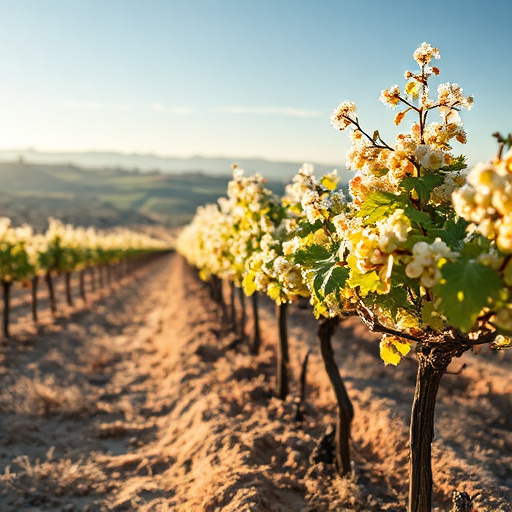
Monsoon season in southern Arizona brings both relief and challenges for grape growers, particularly in the high desert region. While the much-needed rainfall supports healthy grapevines, it also brings the risk of spring frost and unpredictable weather patterns that can impact the growing season. This is especially true for Sonoita vineyards, nestled in a unique grassland setting at elevations of 1,500 to 2,200 feet.
The impact of frost on grapes cannot be overstated. In a region where winter temperatures can dip below freezing, young vines, and unprotected grapes are vulnerable. Frost can damage or kill bud tissue, stunting growth and reducing the overall quality of the harvest. To combat this, many Sonoita vineyard owners and operators employ various strategies. They may use row covers, or special blankets, to protect the vines from the cold. These covers can be removed and re-applied as needed throughout the season, providing a hands-on approach to frost prevention. Eco Buzz Tours, a local Tucson wine tour operator, often highlights these practices during their day trips to Sonoita and Elgin wineries, offering visitors a glimpse into the region's resilient wine-growing culture.
The type of grape variety plays a crucial role in frost resistance. Spanish and Italian grapevines, commonly found in Sonoita, are naturally adapted to cooler climates, making them more resilient to frost damage. Land managers may also choose to plant rootstock varieties that are more resistant to local conditions, further safeguarding the vines from unpredictable monsoon weather. By understanding these factors, vineyard managers can make informed decisions on when to harvest, ensuring the best quality grapes despite the challenges posed by the changing climate.
Grassland Vineyards: Natural Adaptation Strategies
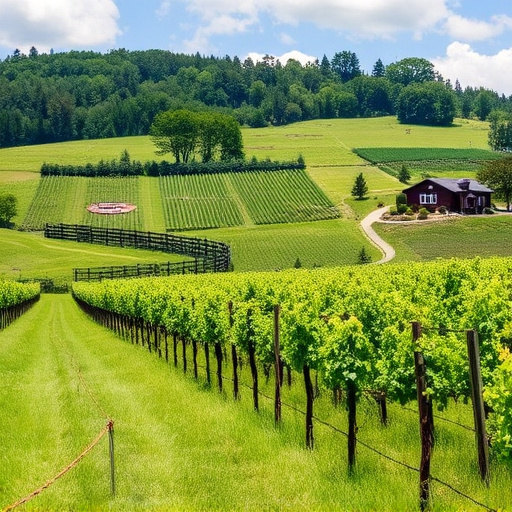
The unique terroir of the Sonoita AVA, nestled in the Sonoran Desert, presents a fascinating challenge for winemakers-particularly for grassland vineyards. These expansive, open-canopied vines are naturally adapted to the region's extreme conditions, including both the intense summer heat and the sudden, powerful monsoon rains. Understanding how these factors impact the grapevine life cycle is crucial for the small group Sonoita wine tour guides and local operators who lead visitors through the stunning landscape.
During the late spring and early summer, the grapes in grassland vineyards thrive in the warm, sunny conditions. However, the key to their success lies in the region's elevation and the specific soil types found in Sonoita. Higher elevations mean cooler temperatures during bud break, slowing the grape's growth and reducing the risk of spring frost damage. The soil, often a mix of sandy loam and limestone, is well-draining, allowing the roots to access necessary nutrients while preventing waterlogging. This natural adaptation strategy is crucial for grapevines in the desert, where water is a precious resource.
Monsoon season brings a dramatic change. The sudden deluges can be a double-edged sword. While they quench the thirst of the parched land, they also present the risk of hail and heavy rain, which can damage the vines and affect fruit quality. However, grassland vineyards are again aided by their unique setting. The open spaces allow for better air circulation, reducing the risk of fungal diseases that can proliferate in dense, humid conditions. The well-draining soils mean water quickly absorbs, minimizing the time grapes are in contact with wet surfaces. After the monsoon, the grapes enter veraison, the period of ripening, with a natural resilience developed from their desert upbringing.
For wine enthusiasts exploring the Sonoita AVA, understanding these natural adaptation strategies offers a deeper connection to the region's wines. It highlights the unique challenges and triumphs of grassland vineyards and the nuanced flavors they contribute to Arizona's wine landscape. Whether on a guided tour or exploring independently, visitors gain a newfound appreciation for the complex interplay of nature and nurture that makes Sonoita wines so distinctive.
Optimal Conditions: Cultivating Arizona's Wine Future
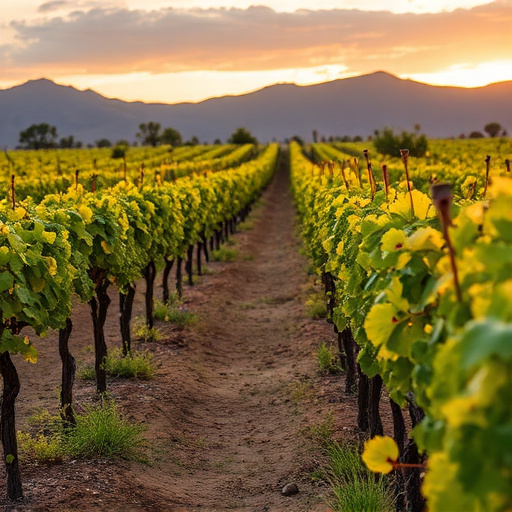
The monsoon season in Arizona presents a double-edged sword for grape growers. While the intense, sporadic rainfall is crucial for replenishing parched lands, it can also pose significant risks to delicate vineyards, especially when combined with the region's unique high desert terroir. Understanding these factors is key to cultivating the optimal conditions for Arizona's burgeoning wine industry.
In the Sonoita AVA, for instance, grapes thrive in the hot, sunny days and cool nights, a climate that contributes to balanced sugar and acid levels, essential for quality wine. However, the region's famous hot, dry summers can be interrupted by sudden, chilly spring frosts, damaging tender buds and young shoots. Monsoon rains, though life-giving, can be followed by intense heat, leading to a rapid ripening of grapes, potentially resulting in high sugar levels before the desired acidity is reached. This is particularly relevant in grassland vineyards, where the open, sunny landscape is prone to rapid temperature changes.
Eco Buzz Tours' experienced guides often stress the importance of understanding vintage variation in Arizona. Years with ideal rainfall and temperature patterns produce grapes of exceptional quality, while others, despite seemingly similar conditions, can yield fruit that doesn't meet the high standards set by the region's winemakers. This variability underscores the need for careful viticulture practices, including strategic irrigation, rootstock and grafting choices, and even the use of cover crops between vines to preserve soil health.
Pruning grapevines in winter, a common practice in Sonoita, is another crucial step. This not only shapes the vines for optimal sunlight exposure and fruit production but also allows for better air circulation, reducing the risk of fungal diseases. Similarly, trellis systems, which support the vines and direct their growth, are essential for managing the dense foliage that can trap moisture, leading to diseases like powdery mildew. The age of the vines also plays a role, with young vines requiring more care to establish themselves, while old vines, having adapted to the local conditions, can be more resilient.
Frequently Asked Questions About an explainer on how monsoon rain and frost affect Arizona grapes
What effect do monsoon rains have on Arizona grapevines?
Monsoon rains in Arizona can be a double-edged sword for grapevines. While necessary for overall growth, heavy or sudden rainfall can lead to root rot and fungal diseases like powdery mildew. It's crucial for grape farmers to monitor soil moisture levels and provide proper drainage to prevent waterlogging. However, moderate monsoon rains can also stimulate fruit development and enhance the wine's flavor profile.
When is frost a concern for Arizona wineries?
Frost is a significant threat to Arizona wineries, especially in the lower elevation areas like Tucson. Frost typically forms when temperatures dip below 32F (0C) and can damage or kill grapevines if it occurs during bud break or when fruit is setting. Farmers use frost protection measures like wind machines or irrigation to create a protective layer of moisture around the vines.
Can the timing of monsoon rains impact grape quality?
Absolutely. The timing of monsoon rains is crucial for grape quality. Rainfall during the growing season, particularly during veraison (grape ripening), can dilute sugar levels and increase acidity, affecting the wine's balance. However, rainfall in the right amounts at the right time can contribute to complex flavors and aromas in the grapes.
What are some strategies Arizona wineries use to cope with frost?
Beyond wind machines and irrigation, Arizona wineries employ other strategies to mitigate frost risk. This includes planting frost-resistant grape varieties, choosing locations with microclimates less prone to frost, and using row covers or netting to protect the vines. Some wineries even harvest early to beat potential frost events.
How do Arizona's varying elevations affect grape ripening?
Arizona's diverse elevations create a wide range of microclimates, significantly influencing grape ripening. Higher elevations, like those found in the Sonoita and Elgin regions, experience cooler temperatures, later ripening, and potentially more frost events. Lower elevations, closer to Tucson, generally have warmer temperatures, earlier ripening, and a lower risk of frost.
As we conclude, it's clear that both monsoon rains and frost play pivotal roles in shaping Arizona's wine landscape. Monsoon season brings crucial hydration, but also presents challenges like rot and disease, underscoring the need for strategic irrigation and pest management in desert vineyards. Frost, on the other hand, requires protective measures to safeguard young vines, with the knowledge that successful vineyard management in this high desert environment demands adaptability, from choosing frost-resistant grape varieties to implementing effective trellis systems.
The success of grassland vineyards, a sign of nature's ingenuity, offers valuable insights. Their natural adaptation strategies, such as cover crops between vines and diverse rootstocks, demonstrate the importance of sustainable practices for long-term health and resilience. Looking ahead, Arizona's wine future hinges on cultivating optimal conditions-balanced irrigation, soil health, and grape varieties suited to the climate-all underpinned by a deep understanding of the unique terroir and history of regions like Sonoita AVA.
By embracing these key learnings, wine enthusiasts, tour guides, and operators can enhance the experience of visiting Arizona's wine country. A well-timed wine tour during the veraison period can offer insights into the grape's transformation, while understanding the monsoon's impact can guide harvest timing and the choice of hand picking methods. This knowledge not only enriches the visitor's experience but also ensures the continued prosperity of Arizona's thriving wine industry.
Monsoon & Arizona Wine Country: Challenges & Opportunities
Monsoon rain in southern Arizona's high desert region brings both benefits and challenges for vineyards, especially in the Sonoita AVA. While rainfall is crucial for grape growth, it can also lead to root rot, fungal diseases, and delayed bud break, affecting harvest timing. Grassland vineyards, common in Sonoita, require meticulous care, including rootstock selection, drainage systems, and cover cropping.
Frost remains a significant concern, damaging young vines and buds. Winemakers combat this with row covers, and grape varieties like Spanish and Italian, naturally resilient to cooler climates, are favored.
Understanding these factors is vital for Arizona's wine industry, leading to nuanced practices like strategic irrigation, pruning, trellis systems, and careful monitoring of sugar and acid levels in grapes.