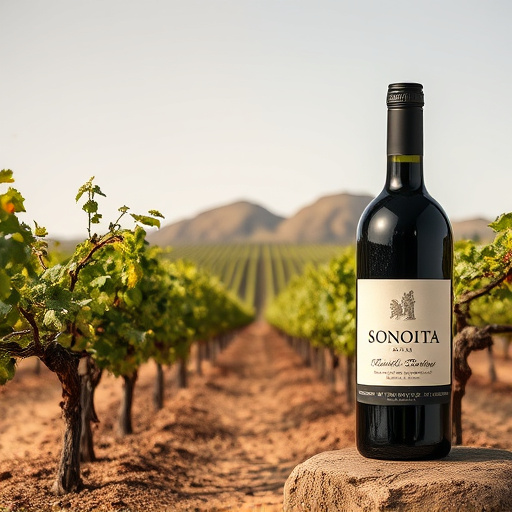
The vineyards of Sonoita, Arizona, thrive on unique mineral-rich soils shaped by volcanic activity, fostering a distinct Natural Wine legacy. The Sonoita AVA offers diverse microclimates and soil types, influencing complex grape flavors. Winemakers employ organic farming methods and canopy management to produce high-quality, terroir-driven organic wines. Visitors can explore these vineyards during harvest season, discovering rare gems and immersing themselves in Sonoita's viticultural identity.
The Arizona wine industry has emerged as a surprising gem in the Southwest, with vineyards in Sonoita, AZ, particularly standing out for their unique terroir. The region’s mineral-rich soils, shaped by the surrounding geology, offer a distinct advantage to organic viticulture. This article delves into the art of crafting organic wines from these natural vineyards, exploring the benefits and challenges faced by local producers. By examining the specific characteristics of Sonoita’s mineral-dense soils, we uncover how this contributes to the development of nuanced, high-quality organic pours, solidifying its place as a remarkable wine-producing region.
- Unveiling Sonoita's Natural Wine Legacy: The Vineyards
- Exploring Mineral-Rich Soils: A Key to Flavor
- Tasting the Terrain: Organic Pours from Sonoita Region
Unveiling Sonoita's Natural Wine Legacy: The Vineyards
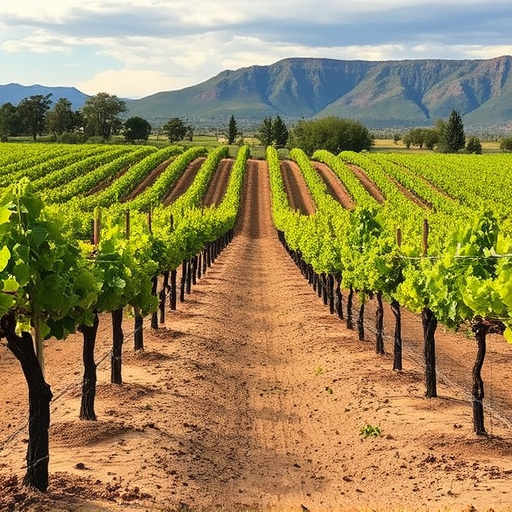
The vineyards of Sonoita, Arizona, lie nestled in a region renowned for its mineral-rich soils, setting the stage for a unique Natural Wine legacy. These vineyards are not just patches of land; they are intricate ecosystems where vines draw sustenance from the earth’s offerings, resulting in wines that reflect the distinct character of their origin. The Sonoita AVA (American Viticultural Area) boasts a diverse array of microclimates and soil types, each contributing to the complexity of the local viticulture. For instance, the region’s volcanic soils, rich in minerals like iron and magnesium, impart distinctive mineral notes in the wines, while the warmer climate areas allow for the cultivation of various grape varieties, including those not typically found in cooler climates.
The natural wine movement in Sonoita has been fostering a return to organic and sustainable farming practices. Many vineyards are committed to minimizing intervention, allowing nature to play its part in shaping the grapes. This approach results in wines that exhibit authentic expressions of their terroir, or place of origin. When visiting these vineyards, one can witness the careful balance between preserving the land’s natural beauty and cultivating exceptional grapes for crafting fine wines. For wine enthusiasts, exploring Sonoita’s vineyards offers a chance to uncover rare gems and experience the region’s distinct viticultural identity.
Practical advice for those interested in tasting this unique offering includes planning visits during the harvest season when many vineyards open their doors to the public. Tasting rooms often feature local artisans and provide an opportunity to connect with winemakers who can share insights into the winemaking process and the specific challenges of farming in this remarkable region.
Exploring Mineral-Rich Soils: A Key to Flavor
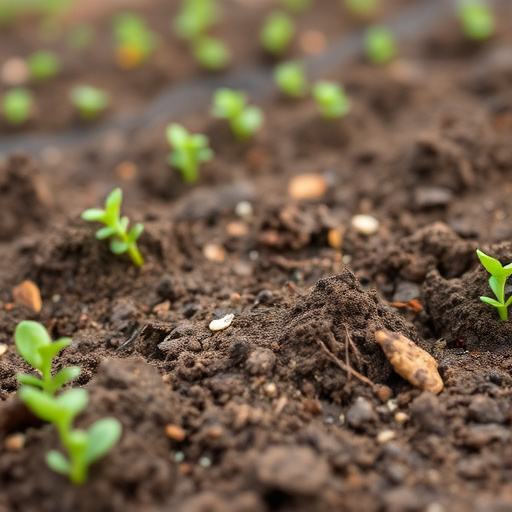
The unique terroir of Sonoita, Arizona’s mineral-rich soils is a key factor shaping the distinct character of wines produced in this region. The vineyards here are deeply rooted in a landscape where volcanic activity and diverse geological formations have endowed the soil with remarkable mineral content. This natural endowment plays a pivotal role in the flavor profile of grapes grown in Sonoita, translating directly into the vibrant and unique taste of the resulting wines.
Soil analysis conducted by local viticulturists has revealed an abundance of essential minerals such as calcium, magnesium, potassium, and iron, each contributing to the overall complexity of the wine. For instance, high levels of calcium carbonate, found in certain vineyards, can impart a crisp acidity that cuts through the palate, while magnesium-rich soils often foster the development of fruity aromas and flavors. These mineral variations not only influence taste but also affect the structure and balance of the wines, creating a diverse range of experiences for wine enthusiasts.
Winemakers in Sonoita embrace these soil characteristics, allowing them to guide their viticultural practices. Some producers focus on preserving the native soil composition through organic farming methods, ensuring that the mineral signatures remain intact in the grapes. Others experiment with canopy management techniques to control sun exposure and temperature, further enhancing the concentration of minerals in the fruit. By understanding and leveraging the unique mineral-rich soils, Sonoita’s vineyards have become known for producing high-quality organic wines that showcase the distinct terroir of this remarkable region.
Tasting the Terrain: Organic Pours from Sonoita Region
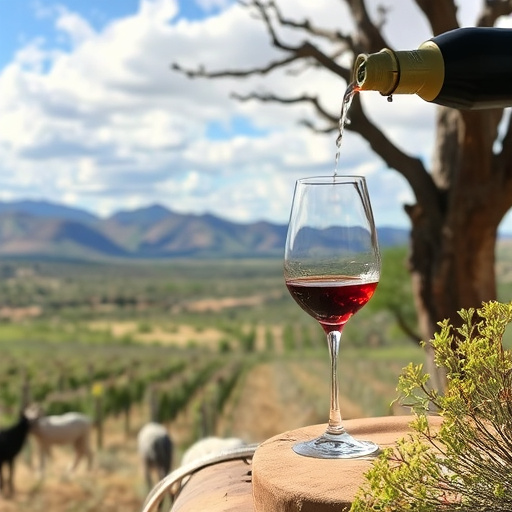
The Sonoita region of Arizona has established itself as a thriving center for organic viticulture, offering a unique glimpse into how mineral-rich soils shape the flavor profiles of local wines. This area, nestled amidst majestic landscapes, boasts a diverse terroir where ancient geological forces have left their mark on the vineyards’ natural characteristics. When you taste wines from this region, it’s akin to exploring a sensory map that reflects the distinct terrain and microclimates present in these vineyards sonoita az.
Organic farming practices in Sonoita allow grapes to mature naturally, absorbing the complex mineral compounds found in the soil. These minerals, such as iron, calcium, and magnesium, contribute to the wine’s structure, texture, and inherent complexity. The result is a diverse range of organic pours that showcase the region’s unique identity. For instance, some wineries have noted that their Syrah wines exhibit notes of wild herbs and spicy peppercorns, reflecting the soil’s natural infusion of botanicals. Others have observed how the minerality in their white blends creates a crisp, refreshing sensation on the palate.
Tasting through these organic pours offers an educational journey, allowing wine enthusiasts to decipher the secrets hidden within the vineyard. Each glass reveals stories of the land, from the specific microclimates that influence grape ripening to the intricate soil compositions that shape the wines’ characteristics. This direct connection between terroir and taste makes Sonoita’s organic wines a captivating study for both professionals and aficionados, inviting them to explore and appreciate the art of winemaking in its most authentic form.
The vineyards of Sonoita, Arizona, have established a remarkable natural wine legacy rooted in their unique mineral-rich soils. This article has explored the intricate connection between the region’s terroir and the distinctive flavors found in locally produced organic pours. By delving into the characteristics of Sonoita’s soils, we’ve uncovered how they contribute to the complex and vibrant wines that have gained international recognition. Through this journey, readers have discovered the importance of understanding the relationship between vineyards, their surroundings, and the art of winemaking, all within the enchanting landscape of the Sonoita region.