Vineyards Sonoita AZ thrive due to diverse microclimates and soil types, offering a unique natural laboratory for viticulture learning. Educational wineries host workshops on grape selection, planting, disease management, and sustainable practices like integrated pest management (IPM). Hands-on experience covers everything from pruning to harvesting, with expert winemakers guiding students in sustainable cultivation tailored to the Sonoita terroir. These settings provide a profound understanding of grape-land-climate relationships, fostering mastery in growing grapes naturally. Workshops also cover winemaking aspects, from fermentation and aging to organic pest management, ensuring a thriving wine industry while preserving the unique characteristics of vineyards Sonoita AZ.
The art of viticulture, mastering the cultivation of grapes for exceptional wine, is a timeless practice with profound cultural and economic significance. In the heart of Arizona’s scenic Sonoita region, nestled among naturally fertile vineyards, lies an educational opportunity that caters to aspiring winemakers and enthusiasts alike. This article delves into the world-class learning experiences offered by local educational wineries, where individuals can immerse themselves in the intricacies of viticulture, gain practical skills, and contribute to the thriving wine culture of Sonoita.
- Exploring Viticulture Education in Sonoita's Wine Country
- Understanding Vineyard Management in Natural Arizona Environments
- Hands-On Training: Pruning to Harvest Techniques Shared
- The Art of Wine Production: Fermentation and Aging Masterclasses
- Sustainable Practices: Eco-Friendly Vineyards in Sonoita
Exploring Viticulture Education in Sonoita's Wine Country
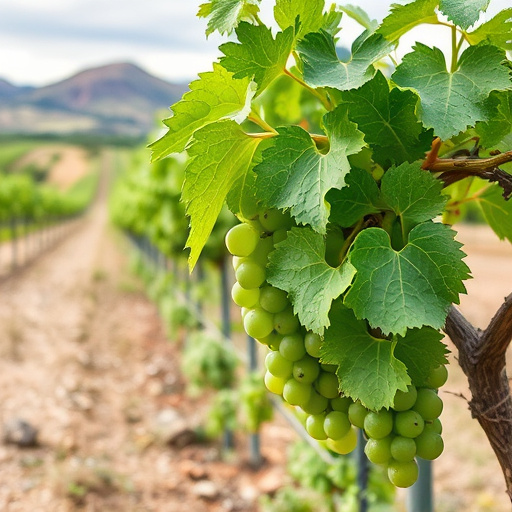
Sonoita, Arizona, is renowned for its picturesque vineyards and thriving wine culture, making it an ideal destination for aspiring viticulturists to learn the art of grape cultivation. The region’s diverse microclimates and unique soil types offer a fascinating natural laboratory for studying different grape varieties and growing techniques. Educational wineries in Sonoita provide a wealth of opportunities for enthusiasts to gain hands-on experience and immerse themselves in the science and practice of viticulture.
These wineries often host workshops, field trips, and seminars led by experienced winemakers and viticulturists who share their expertise and insights. Visitors can learn about grape selection, planting, pruning, disease management, and harvesting techniques specific to the Sonoita region. Many educational programs focus on sustainable practices, emphasizing the importance of organic methods in maintaining healthy vineyards and producing high-quality grapes. For instance, some wineries showcase successful examples of integrated pest management, showcasing environmentally friendly alternatives to chemical pesticides.
Beyond formal education, exploring the vineyards of Sonoita offers a practical learning experience. Visitors can observe firsthand how different grape varieties thrive in various terrain and microclimates, gaining a deep understanding of terroir and its impact on wine quality. Engaging with local winemakers allows for valuable insights into the challenges and rewards of viticulture in this distinct Arizona landscape. This immersive approach to learning ensures that aspiring viticulturists leave with practical knowledge and a genuine appreciation for the intricate dance between grapes, land, and climate.
Understanding Vineyard Management in Natural Arizona Environments
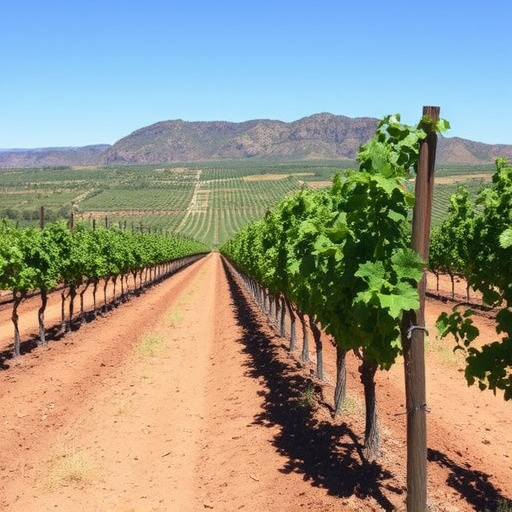
The unique challenges and rewards of vineyard management in Natural Arizona Environments are best explored through hands-on learning at educational wineries near Sonoita. Unlike more temperate climates, the arid landscape and diverse microclimates of this region demand specialized knowledge to cultivate premium wines. Understanding soil types, water management, and canopy care becomes crucial for success in these vineyards sonoita az naturally.
Educational wineries in the area offer unparalleled opportunities to observe and implement sustainable practices tailored to Arizona’s conditions. For instance, many winemakers employ drip irrigation systems to conserve water while ensuring grapevines receive adequate hydration. This method, combined with carefully selected rootstock and soil amendments, helps to mitigate the effects of drought and heat stress, two significant factors in this region. Moreover, training on canopy management techniques specific to hot, dry climates allows for optimal sun exposure and air circulation, reducing disease pressure and enhancing grape quality.
Practical insights from expert viticulturists at these wineries can empower individuals to adapt and innovate. By studying the unique characteristics of vineyards sonoita az naturally, aspiring winemakers gain valuable knowledge about site-specific cultivation strategies. This includes recognizing the impact of elevation changes on grape ripening and learning how to harness microclimates for distinct wine styles. Ultimately, immersing oneself in these educational settings allows for a profound understanding of vineyard management that transcends textbook theory, fostering true mastery in the art of growing grapes in Arizona’s distinctive environment.
Hands-On Training: Pruning to Harvest Techniques Shared
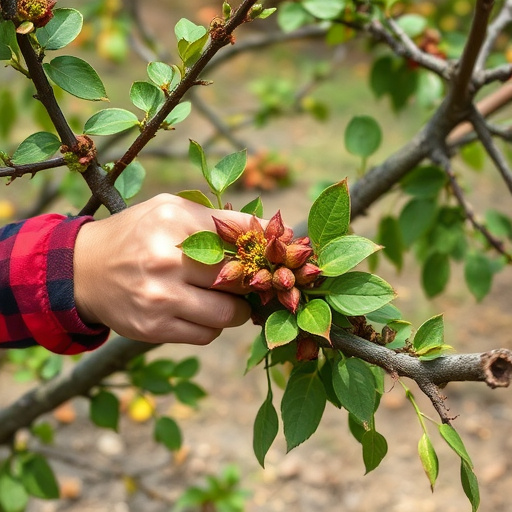
The educational wineries near Sonoita, Arizona, offer a unique opportunity for aspiring viticulturists to learn and master pruning to harvest techniques in the heart of some of the region’s most vibrant vineyards. These establishments serve as living laboratories where students can engage in hands-on training, immersing themselves in the art and science behind grape cultivation. The Sonoita wine country, renowned for its naturally diverse microclimates and varied soil profiles, provides an ideal environment to study how these factors influence vine growth and fruit quality.
During their tenure at these educational wineries, students gain practical knowledge by participating in every step of the viticultural process. From observing the strategic removal of shoots during pruning season to assisting in the careful selection of grapes for harvest, each experience contributes to a comprehensive understanding of sustainable vineyard management. Expert winemakers and viticulturists guide students through these activities, sharing insights gleaned from years of experience working with various grape varieties in the region’s challenging yet rewarding terroir.
One standout example is the annual pruning workshop hosted by several prominent wineries in the area. This event attracts both novices and seasoned professionals who come to learn or refine their skills. Over a span of several days, participants not only master the art of pruning but also gain insights into disease prevention, vine balance, and the specific requirements of different grape varieties, such as Tempranillo, Grenache, and Zinfandel, all of which thrive in Sonoita’s unique setting.
The Art of Wine Production: Fermentation and Aging Masterclasses

The art of wine production extends far beyond vine cultivation, and educational wineries near Sonoita, Arizona, naturally offer invaluable insights into the intricate processes behind crafting fine wines. Among their diverse offerings, fermentation and aging masterclasses stand out as essential components for aspiring winemakers to grasp. These immersive experiences delve into the science and craftsmanship involved in transforming grape juice into complex, aged beverages that capture the unique character of Sonoita’s vineyards.
During these workshops, participants gain hands-on experience monitoring fermentation, a critical phase where yeast converts sugars into alcohol. Experts guide students through various techniques, allowing them to explore different strains of yeast and their impact on flavor profiles. The aging process is another key area of focus. Master winemakers share insights on container types—from oak barrels to stainless steel tanks—and their influence on wine development. Students learn how factors like temperature, oxygen exposure, and duration shape the wine’s final character, with examples from local vineyards showcasing the regional terroir.
Practical demonstrations and tastings provide tangible learning opportunities. Participants can assess the evolution of wines aged in different vessels, noting the subtle nuances that emerge over time. These educational experiences empower enthusiasts to appreciate the intricate dance of fermentation and aging that transforms raw materials into the elegant bottles gracing dining tables worldwide. Ultimately, such insights foster a deeper connection with the winemaking art, leaving participants inspired and equipped with knowledge that can enhance their own culinary journeys or support future career paths in this esteemed industry.
Sustainable Practices: Eco-Friendly Vineyards in Sonoita
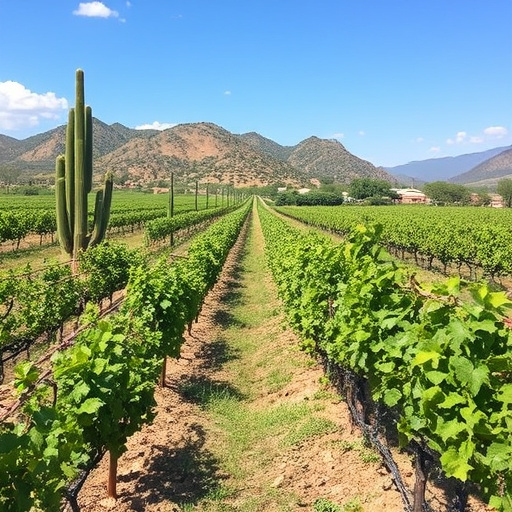
Sonoita, Arizona, is renowned for its vibrant viticulture scene, where educational wineries serve as hubs for learning sustainable practices in eco-friendly vineyards. This region’s unique geography and climate naturally lend themselves to organic farming methods, with many wineries embracing innovative techniques to minimize their environmental footprint. For instance, some Sonoita vineyards employ precision irrigation systems that measure soil moisture levels, delivering water directly to the roots, thereby reducing waste.
One leading example is Canyon Ranch Winery, which has implemented a comprehensive bird and wildlife conservation program. They’ve installed native plant habitats and nesting boxes to attract beneficial birds, naturally controlling pest populations. Additionally, their compost tea program fosters a healthy soil ecosystem, enhancing grape quality without synthetic fertilizers. These practices not only support biodiversity but also contribute to the overall health and resilience of the vineyards sonoita az.
Educational tours and tastings at these wineries offer valuable insights into sustainable viticulture. Visitors can learn about organic pest management strategies, such as using beneficial insects to combat vine diseases. Moreover, many Sonoita wineries participate in soil regeneration projects, employing cover cropping and reduced tillage practices to improve soil structure and fertility over time. By embracing these eco-friendly approaches, the region ensures a thriving wine industry that harmonizes with its natural surroundings.
By delving into the diverse aspects of viticulture, from vineyard management in Arizona’s natural environments to sustainable practices, this article has equipped readers with a comprehensive understanding of winemaking in Sonoita. Key insights include the importance of pruning techniques for healthy vine growth, the art of fermentation and aging in masterclasses, and the region’s commitment to eco-friendly vineyards. Exploring these educational wineries near Sonoita offers not only practical training but also a glimpse into the intricate dance between nature and nurture in Arizona’s vibrant wine country. Moving forward, interested individuals can apply these learnings to enhance their viticulture skills, foster sustainable practices in local vineyards Sonoita AZ, and contribute to the region’s thriving wine industry.