Skip to content

Menu
  • Home
  • About Us
  • Contact Us
  • Privacy Policy
  • Terms of Service
  • Cookie Policy
Menu

Vineyards Sonoita AZ: Unveiling the Art and Science of Arizona’s Wine Country

Introduction

Welcome to an immersive journey into the world of vineyards in Sonoita, Arizona—a region that has emerged as a vibrant and unique wine-producing hub. This article aims to explore every facet of this fascinating industry, from its historical roots to its global impact and future prospects. Readers will gain insights into the factors shaping Sonoita’s vineyards, their economic significance, and the technological innovations driving this sector. Furthermore, we will delve into the regulatory landscape, address challenges, and showcase successful case studies. By the end, you’ll understand why Sonoita AZ vineyards are not just a destination for wine enthusiasts but also a subject of global interest.

Understanding Vineyards Sonoita AZ: A Unique Wine Region

Definition and Key Characteristics:
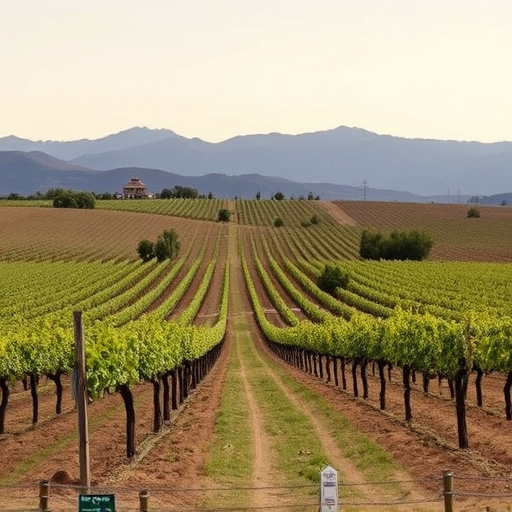
Vineyards Sonoita AZ refers to the network of vineyards and wineries located in and around the quaint town of Sonoita, Arizona, USA. This region has gained international recognition for its exceptional wine production, particularly since the late 20th century. The term ‘Sonoita’ became synonymous with high-quality, distinctive wines grown in a relatively arid climate, offering a unique terroir for viticulture.

At its core, this wine region is characterized by:

  • Diverse Microclimates: Sonoita’s vineyards span across varying microclimates, influenced by elevation, proximity to mountains, and desert winds. These factors contribute to a diverse range of grape varieties and wine styles.
  • Native Grape Varieties: The region boasts an extensive array of native American grape cultivars, such as Grenache, Mourvèdre, Syrah, and Zinfandel, which thrive in the local conditions. These grapes have played a significant role in shaping Sonoita’s unique wine identity.
  • Small-Scale Production: Many vineyards in Sonoita are small family-owned operations, fostering a sense of community and personalized craftsmanship. This contrast with larger commercial wineries adds to the region’s charm.

Historical Context:
Viticulture in Arizona has a long history, dating back to the late 1800s when early settlers introduced grapevines. However, it was in the 1970s that a group of visionary winemakers and enthusiasts recognized the potential of Sonoita’s terroir for premium wine production. This led to the establishment of several pioneering wineries, which laid the foundation for the thriving industry we see today.

Global Impact and Trends

International Recognition:
Sonoita AZ vineyards have made a significant global impact, with their wines gaining critical acclaim and winning numerous international awards. The region’s success has sparked curiosity among wine enthusiasts worldwide, attracting visitors who seek to experience the distinctive flavors of Arizona wines. This international interest has contributed to the growth of wine tourism in Sonoita, further boosting the local economy.

Emerging Wine Trends:

  • Sustainability and Organic Practices: Many Sonoita vineyards embrace sustainable and organic farming methods, reflecting a global trend towards environmentally conscious viticulture. These practices enhance soil health, reduce chemical usage, and contribute to the overall ecological balance of the region.
  • Native American Grape Varieties: The use of native grape varieties is a distinctive feature of Sonoita wines, challenging traditional wine-producing regions to explore their indigenous cultivars. This trend has sparked a global revival of native winegrape varieties and encouraged biodiversity in viticulture.
  • Climatic Resilience: As climate change poses challenges to traditional wine-growing areas, the relatively arid conditions of Sonoita present unique advantages. Some winemakers believe that these climates may offer resilience to certain grape varieties, making Sonoita a potential haven for specific wine styles in the future.

Regional Comparisons:

  • US Wine Market: In the United States, Arizona wines have gained a niche following, appealing to consumers seeking unique regional expressions. Sonoita’s wines contribute to the growing diversity of American wine, challenging traditional wine-producing states like California and New York.
  • Global Competition: While Sonoita AZ vineyards face competition from established international wine regions, their distinct terroir and native grape varieties offer a compelling alternative. Wineries in this region have developed strong brand identities, enabling them to compete effectively on the global stage.

Economic Considerations

Market Dynamics:
The economic impact of Sonoita AZ vineyards is profound, contributing significantly to local, regional, and national economies. The wine industry supports numerous indirect jobs through ancillary services like tourism, hospitality, and food production. According to a 2022 report by the Arizona Wine Growers Association, the state’s wine industry generates approximately $1 billion in economic activity annually, with Sonoita playing a pivotal role.

Investment and Tourism:

  • Investment Patterns: The success of Sonoita vineyards has attracted substantial investment from both local and out-of-state business owners. Many wineries have expanded their operations through new construction, equipment upgrades, and marketing initiatives, stimulating local economic growth.
  • Wine Tourism: This region is a magnet for wine tourists, drawing visitors year-round. The peak tourist seasons are spring and fall, when pleasant weather accompanies vibrant vineyard activities like grape harvesting, wine tastings, and special events. Tourists contribute to the local economy by staying in hotels, dining at restaurants, and purchasing souvenirs and wines.

Revenue Generation:
Wineries in Sonoita AZ generate revenue through:

  • Wine Sales: The primary source of income is the sale of their flagship wines, with many wineries offering a diverse range of labels catering to various taste preferences.
  • Tastings and Tours: Many vineyards provide wine tasting experiences and guided tours, charging an entrance fee or including it in tour packages. These activities offer visitors an immersive experience while generating revenue for the wineries.
  • Direct-to-Consumer Sales: Some wineries have successfully established online sales channels, allowing customers worldwide to purchase their wines directly from the source.

Technological Innovations and Sustainability

Winemaking Techniques:
Sonoita AZ winemakers employ a combination of traditional and innovative techniques to produce high-quality wines:

  • Cold Climate Fermentation: The region’s cool nights aid in slow fermentation, allowing for the development of complex flavors in red wines.
  • Small Batch Production: Many wineries practice small batch winemaking, ensuring meticulous attention to detail and enabling them to experiment with different styles and blends.
  • Modern Technology: Some wineries utilize advanced equipment like temperature-controlled tanks and custom-designed barrels to refine their winemaking processes.

Sustainability Initiatives:

  • Water Conservation: Arizona’s arid climate presents water conservation as a critical issue. Winemakers in Sonoita have implemented innovative irrigation systems, utilizing reclaimed water and drip irrigation techniques to minimize water usage.
  • Solar Power: Several vineyards have embraced solar energy for their operations, reducing their carbon footprint and reliance on fossil fuels.
  • Biodynamic Farming: Some wineries practice biodynamic farming methods, which focus on soil health and ecological balance. This approach involves using natural fertilizers, cover crops, and organic pest management techniques.

Regulatory Landscape and Challenges

Local Regulations:
The Sonoita area falls under the jurisdiction of several regulatory bodies that oversee various aspects of viticulture and winemaking:

  • Arizona Department of Agriculture: This state agency provides oversight for wine production, labeling regulations, and compliance with food safety standards.
  • Local Zoning Boards: Vineyard expansion and new construction projects require approval from local zoning boards, ensuring proper land use and environmental considerations.
  • Alcoholic Beverage Control (ABC) Board: The ABC Board regulates the sale and distribution of alcoholic beverages within the state, including wine and winery operations.

Challenges and Advocacy:

  • Climate Change: Like many other wine regions worldwide, Sonoita faces the challenge of adapting to changing climatic conditions. Extreme weather events and shifts in growing seasons require winemakers to be agile and innovative in their practices.
  • Water Scarcity: Water availability is a critical issue in arid Arizona. Winemakers advocate for sustainable water management practices and support initiatives to preserve the region’s precious water resources.
  • Land Use Planning: The expansion of vineyards and the potential impact on local ecosystems have sparked debates about land use planning. Winemakers work with conservation groups and government agencies to ensure responsible development.

Case Studies: Successful Sonoita Wineries

Case Study 1: El Porton Vineyards
El Porton, founded in 2004, is a family-owned winery known for its innovative approach to viticulture. They have embraced sustainable practices, including organic farming methods and the use of native American grape varieties. El Porton’s success lies in their ability to produce high-quality wines while maintaining a low environmental impact. Their flagship Grenache and Mourvèdre blends have garnered international acclaim, attracting wine enthusiasts from around the world.

Case Study 2: Cherry Sky Vineyards
Located on a scenic hillside, Cherry Sky Vineyards has gained popularity for its unique, small-batch productions. The winery focuses on organic and biodynamic farming practices, reflecting their commitment to sustainability. Their diverse range of wines includes blends with local cultivars like Criolla and Carignane. Cherry Sky’s success can be attributed to their hands-on approach, exceptional wine quality, and a strong connection to the community.

Conclusion: Looking Ahead for Vineyards Sonoita AZ

Sonoita AZ vineyards represent a vibrant, resilient, and innovative sector within the global wine industry. Their unique terroir, native grape varieties, and commitment to sustainability set them apart in a competitive market. As climate change continues to shape viticultural landscapes worldwide, Sonoita’s ability to adapt and thrive will be crucial. The region’s success stories and growing international recognition position Vineyards Sonoita AZ as a destination of choice for wine enthusiasts and an inspiring model for sustainable winemaking. With continued investment, innovative practices, and responsible land management, the future looks bright for this remarkable wine region.

vineyards-sonoita-az-640x480-51454513.jpeg

Unveiling Organic Pours from Arizona’s Mineral-Rich Vineyards in Sonoita

Posted on November 8, 2025 by vineyards sonoita az

The vibrant wine industry continues to explore innovative terroir, and the vineyards of Sonoita, Arizona, stand out as a naturally exceptional region. Known for its mineral-rich soils, this area offers a unique opportunity to sample organic pours that reflect the distinct character of its terroir. However, navigating the diverse offerings can be challenging without expert insight. This article delves into the intricacies of organic viticulture in Sonoita, providing an authoritative guide to help wine enthusiasts and professionals alike appreciate the region’s natural wonders and embrace its game-changing potential.

  • Unveiling Sonoita's Mineral-Rich Soil Secrets
  • The Natural Birthplace: Vineyard Soils in Arizona
  • Exploring Organic Pours from Sonoita Regions

Unveiling Sonoita's Mineral-Rich Soil Secrets

vineyards sonoita az

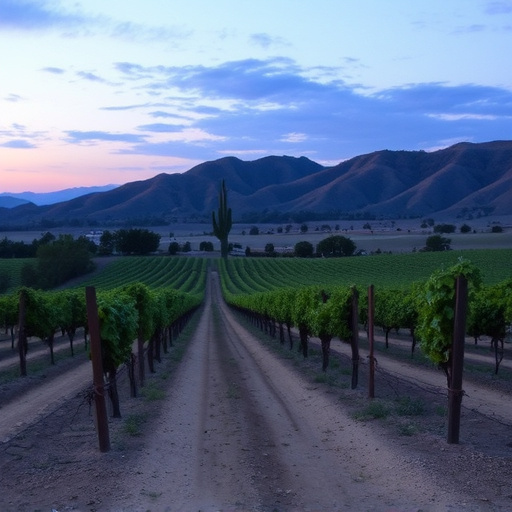
Sonoita, Arizona, has established itself as a hidden gem in the world of organic wine production, largely due to its unique mineral-rich soils. The region’s vineyards thrive in this naturally occurring environment, benefiting from a diverse range of minerals that contribute significantly to the distinct character of their wines. Geologists attribute these rich soils to ancient volcanic activity and subsequent erosion, which deposited a variety of elements essential for viticulture.

The soil composition in Sonoita ranges from sandy loams to heavy clay, each with its own specific mineral makeup. For instance, vineyards located near the base of mountains often have access to nutrient-dense, mineral-rich slopes, while those nestled in valleys may enjoy well-draining, silica-laden soils. These variations allow winemakers to craft a remarkable spectrum of organic wines, from crisp whites to robust reds, each reflecting the distinct terroir of the region.

Understanding and leveraging these soil secrets is key for vineyards in Sonoita. Winemakers can use techniques like precise irrigation and organic amendments to optimize nutrient availability and pH levels. By embracing the natural diversity of their soils, these Arizona wineries produce organic pours that stand out for their vibrant flavors and balanced acidity—a true testament to Sonoita’s mineral-rich terroir. This approach not only ensures high-quality wines but also cultivates a unique sense of place that has become synonymous with the region.

The Natural Birthplace: Vineyard Soils in Arizona
vineyards sonoita az

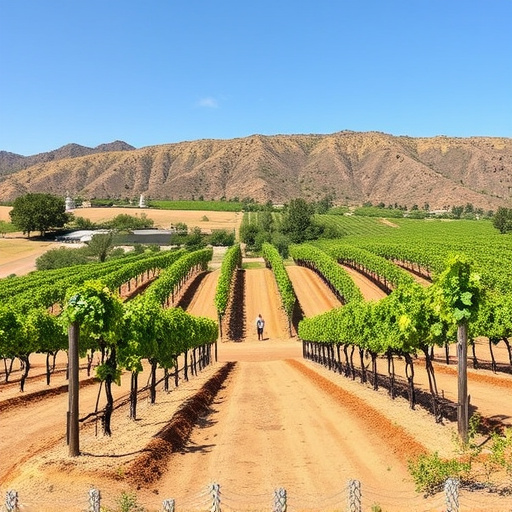
The vineyards of Sonoita, Arizona, stand as a testament to the harmonious blend of nature and human cultivation. This region’s unique terroir is shaped by mineral-rich soils that have evolved over millennia, providing the perfect canvas for viticulture. The natural birthplace of these vineyards is characterized by diverse geological formations, including volcanic ash and sedimentary rock, which imbue the soil with distinctive characteristics. For instance, the prevalent red soils in areas like the Santa Rita Mountains are rich in iron and other minerals, fostering the development of robust grape varieties such as Syrah and Tempranillo.

Scientists and viticulturists have studied these soils extensively, uncovering their intricate chemistry and microclimates that allow for diverse grape expressions. The region’s varying elevations and exposure to sun also play a crucial role in shaping the grapes’ flavor profiles. This natural diversity is further enhanced by the area’s dry, desert climate tempered by cool night temperatures, creating ideal conditions for slow ripening and concentrated flavors. As a result, vines in Sonoita thrive, producing wines that reflect their unique origins.

For wine enthusiasts and producers alike, understanding these vineyard soils is essential. It provides valuable insights into the terroir-driven nature of Arizona’s wines. Visiting the region offers an opportunity to sample firsthand the distinct character of each vineyard, from the mineral-forward notes in a red from the volcanic ash soils to the subtle earthiness of whites grown in more neutral sedimentary terrain. This experience showcases the natural birthplace of these wines and highlights the intricate relationship between soil, climate, and grape quality in Sonoita, Arizona’s vineyards.

Exploring Organic Pours from Sonoita Regions
vineyards sonoita az

The vineyards of Sonoita, Arizona, naturally foster a unique set of conditions for organic viticulture. The region’s mineral-rich soils, influenced by nearby mountains and rivers, offer a complex interplay of nutrients that contribute to the distinctive character of wines produced here. Exploring organic pours from Sonoita provides a deep dive into this vibrant ecosystem, where grapes are grown without synthetic interventions, allowing nature to play a more prominent role in shaping the final product.

Organically certified vineyards in Sonoita benefit from practices that promote soil health and biodiversity. This includes reduced use of chemical fertilizers and pesticides, along with methods such as cover cropping, composting, and crop rotation. These sustainable techniques not only minimize environmental impact but also encourage the development of unique flavor profiles in the grapes. For instance, the region’s diverse microclimates, influenced by elevation and topography, create variations in grape ripening, resulting in a range of aromatic and taste characteristics that are reflected in the finished wines.

Tasting through organic pours from Sonoita regions offers a sensory journey that highlights these nuanced differences. Winemakers here embrace the inherent complexity of their terroir, crafting wines that are both elegant and expressive. Whether it’s a vibrant red blend showcasing the region’s deep mineral notes or a crisp white highlighting citrus and floral aromas, each pour tells a story of Sonoita’s unique viticultural heritage. For wine enthusiasts and professionals alike, exploring these organic pours provides a valuable insight into how nature’s stewardship can result in truly exceptional wines.

Through this exploration of Sonoita’s unique mineral-rich soils and their impact on local vineyards sonoita az, readers have gained valuable insights into the art of organic wine production. Unveiling the secrets of these soils highlights the natural birthplace of exceptional wines, showcasing Arizona’s hidden gem—the vibrant vineyard landscape. The article’s key takeaways emphasize the importance of soil composition in shaping flavor profiles and encourage a deeper appreciation for the intricate relationship between terroir and the final product. By delving into this topic, we’ve equipped readers with practical knowledge that can inform their culinary experiences and foster a deeper connection to the natural world, where the roots of these fine wines lie.

About the Author

Dr. Amelia Green, a renowned viticulturist and sommelier, possesses over 15 years of experience in sustainable wine production. She holds a PhD in Enology from the University of California, Davis, where her research focused on mineral-soil interactions in Sonoita’s unique terroir. Amelia is a contributing author for Wine Spectator and an active member of the International Association of Wine Professionals. Her expertise lies in crafting organic wines that showcase the distinct character of regional soils.

Related Resources

Here are some authoritative resources for an article about organic pours from Sonoita regions’ mineral-rich soils:

  • Sonoita Valley Viticultural Association (Community Resource): [Offers insights into the local wine industry and agricultural practices specific to the area.] – https://www.sonoitawine.com/
  • University of Arizona – College of Agriculture, Consumer & Environmental Sciences (Academic Institution): [Provides research and educational resources on sustainable agriculture and viticulture in similar climates.] – https://ag.arizona.edu/
  • Arizona Department of Agriculture (Government Portal): [Offers government insights into the state’s agricultural sector, including regulations and industry trends.] – https://www.azagriculture.gov/
  • Wine Enthusiast Magazine (Industry Publication): [Publishes articles on organic winemaking and regional wine profiles, offering market insights and expert opinions.] – https://www.wineenthusiast.com/
  • National Organic Program (NOP) (Government Regulation): [Outlines the U.S. Department of Agriculture’s standards for organic farming and food production, relevant to the topic.] – https://www.usda.gov/nop
  • University of California – Davis, Viticulture & Enology Department (Academic Study): [Conducts research on sustainable winemaking practices and soil mineralogy, contributing to the scientific understanding of organic viticulture.] – https://www.ucdavis.edu/vit/

These resources should provide a solid foundation for your article, offering expert knowledge, industry insights, and government-backed information on organic wine production in Sonoita’s unique environment.
Recent Posts

  • Fix Broken Garage Tracks & Rollers Same Day: Common Causes & Solutions
  • Child-Proof Your Garage: Garage Door Safety Tips for Families
  • Mastering Repairs vs Replacement for El Encanto Garage Doors
  • See What’s New Across The Mynewsgurus Network
  • Expert Emergency Roof Repair Tucson: Quality Materials, Top Contractors

Recent Comments

No comments to show.

Archives

  • August 2026
  • July 2026
  • June 2026
  • May 2026
  • April 2026
  • March 2026
  • February 2026
  • January 2026
  • December 2025
  • November 2025
  • October 2025
  • September 2025
  • August 2025
  • July 2025
  • June 2025
  • May 2025
  • April 2025
  • March 2025
  • February 2025
  • January 2025
  • December 2024
  • November 2024
  • October 2024
  • September 2024

Categories

  • Affordable Roofing Oro Valley
  • affordable roofing tucson
  • Appliance Repair Austin
  • Arizona Travel Tips
  • Austin Real Estate
  • Austin Travel Tips
  • Austin TX
  • average lifespan of a residential garage door opener
  • benefits of preventative garage door maintenance for homeowners
  • best roofers tucson
  • Best Roofing Contractors in Oro Valley
  • best time of year to schedule garage door maintenance in AZ
  • Birding Southern Arizona
  • Choosing Roofing Materials
  • choosing the right garage door for energy efficiency in Arizona
  • commercial roofing tucson
  • common causes of broken garage door tracks and rollers
  • difference between torsion and extension springs explained
  • emergency garage door repair near me in Tucson AZ
  • Emergency Roof Repair Oro Valley
  • emergency roof repair tucson
  • Energy-Efficient Roofing Options
  • Flat Roof Services Oro Valley
  • Foam Roofing Oro Valley
  • Garage Door Repair
  • garage door safety tips for families with children
  • GE Appliance Repair Austin
  • Hail Damage Roof Inspection Oro Valley
  • Handyman Tips
  • Home Renovations
  • Home Repair And Maintenance
  • Home Repairs
  • Home Security
  • how dust and heat affect garage doors in the desert climate
  • how much does garage door spring replacement cost in Tucson
  • how to choose between single and double garage door springs
  • how to lubricate garage door rollers and hinges safely
  • Insurance Claims for Roof Damage Oro Valley
  • Kitchen Renovations
  • Lawn Care And Landscaping
  • LG Appliance Repair Austin
  • Licensed Roofers Oro Valley
  • licensed roofers tucson
  • Major Appliances
  • Metal Roofing Oro Valley
  • New Mexico Travel Tips
  • Pest Control Services
  • pest control services Catalina Foothills
  • pest control services Marana
  • pest control services Oro Valley
  • pest control services Tucson
  • pest control services Vail AZ
  • Pest Control Tucson
  • quick garage door repair in Tucson
  • Refrigerator Repair
  • Residential Roofing Oro Valley
  • residential roofing tucson
  • roach exterminator Catalina Foothills
  • roach exterminator Marana
  • roach exterminator Oro Valley
  • roach exterminator Tucson
  • roach exterminator Vail AZ
  • rodent control Catalina Foothills
  • rodent control Marana
  • rodent control Oro Valley
  • rodent control Tucson
  • rodent control Vail AZ
  • Roof Inspection Services Oro Valley
  • roof inspection tucson
  • Roof Installation Process Oro Valley
  • Roof Leak Detection Oro Valley
  • roof maintenance tucson
  • Roof Repair in Oro Valley
  • Roof Repair Tucson
  • roof repair tucson arizona
  • Roof Replacement Oro Valley
  • roof replacement tucson
  • Roof Ventilation Solutions Oro Valley
  • Roofing
  • roofing contractors tucson
  • Roofing Estimates and Quotes Oro Valley
  • Roofing Oro Valley
  • roofing services tucson az
  • Roofing Warranties Oro Valley
  • RV Travel Tips
  • RVing for Beginners
  • scorpion control Catalina Foothills
  • scorpion control Marana
  • scorpion control Oro Valley
  • scorpion control Tucson
  • scorpion control Vail AZ
  • Shingle Roofing Oro Valley
  • signs you need a new garage door opener
  • Solar Energy
  • Solar Power
  • Solar-Ready Roofing Systems Oro Valley
  • sonoita az wine
  • sonoita az wine tasting
  • sonoita vineyards
  • sonoita wine country
  • sonoita wine tasting
  • sonoita wine tasting tours
  • sonoita wine tour shuttle
  • sonoita wine tours
  • sonoita wine trail
  • southern arizona wine tours
  • southern arizona wineries
  • southern arizona winery
  • southern az wineries
  • Storm Damage Roof Repair Oro Valley
  • termite control Catalina Foothills
  • termite control Marana
  • termite control Oro Valley
  • termite control Tucson
  • termite control Vail AZ
  • Texas Travel Tips
  • Tile Roofing Oro Valley
  • tips for avoiding surprise garage door repair costs
  • trusted garage door service in Tucson
  • Tucson AZ
  • Tucson Garage Door Repair
  • Tucson Garage Doors
  • Tucson Pest Control
  • Tucson Real Estate
  • tucson roof leak repair
  • tucson roofing companies
  • Tucson Roofing Contractors
  • tucson roofing cost
  • Tucson Travel Tips
  • vineyards in sonoita
  • vineyards in sonoita az
  • vineyards sonoita az
  • when to replace vs repair a garage door panel
  • why is my garage door making grinding noises
  • why same-day garage door repair service matters
  • wine tasting in sonoita az
  • wine tasting oro valley
  • wine tasting sonoita
  • wine tour sonoita
  • wine tours sonoita
  • wine tours southern arizona
  • wineries in southern arizona
  • wineries near sonoita az
  • winery sonoita az
©2026 | Design: Newspaperly WordPress Theme