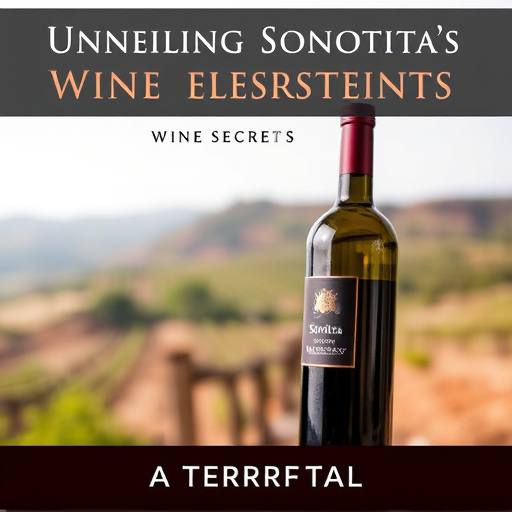
The vineyards of Sonoita, Arizona, at elevations exceeding 4,000 feet, produce distinctive wines due to unique microclimates and terroirs. Cooler heights enhance sugar accumulation, slow ripening, and develop complex flavors, resulting in balanced acidity and enhanced aromatics. Diverse grape varieties thrive, with hotter areas suitable for Grenache and Syrah, and cooler regions ideal for Chardonnay and Viognier. Local practices, from organic methods to traditional foot-trodden fermentation, contribute to a wide range of high-quality wines, showcasing the natural landscape's artistry.
The nuances of high-elevation wines have long captivated connoisseurs, with their distinct character often attributed to unique terroir. In the heart of Arizona’s Sonoran Desert, the neighboring vineyards of Sonoita stand as a testament to this phenomenon. Each estate, nestled amidst rolling hills, cultivates grapes under varying microclimates and soil compositions, resulting in a diverse range of wines. This article delves into an authoritative comparison of these high-elevation wines, providing insights into how natural variations within these Sonoita vineyards shape their unique flavors and aromas. By exploring these nuances, we aim to equip readers with a deeper appreciation for the art of viticulture in this remarkable region.
- Understanding High Elevation Wine Production in Sonoita, AZ
- A Comparative Study of Nearby Sonoita Vineyards
- Unique Terroir: Exploring Natural Conditions in Sonoita's Estates
- Tasting Notes: Uncovering Differences in Wine Styles
- Winemaking Practices Across Sonoita's Neighboring Farms
- The Impact of Altitude on Wine Quality and Characteristics
Understanding High Elevation Wine Production in Sonoita, AZ
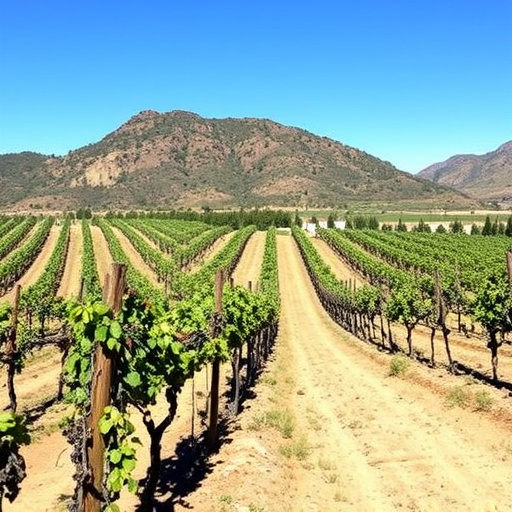
Sonoita, Arizona, is renowned for its high-elevation vineyards, naturally situated at elevations exceeding 4,000 feet. This unique geographical positioning significantly influences wine production, contributing to distinct flavors and aromas that set Sonoita wines apart. The region’s microclimates vary widely due to elevation changes, allowing for a diverse range of grape varieties to thrive. For instance, hotter, drier areas near the valley floor are ideal for cultivating grapes like Grenache and Syrah, while cooler, higher elevations favor varieties such as Chardonnay and Viognier.
The impact of high elevation on wine is profound. Cooler temperatures slow down ripening, allowing grapes to accumulate more sugar and develop complex flavors. This results in wines with balanced acidity and enhanced aromatics. According to a recent study by the University of Arizona, vineyards at 4,000–5,000 feet have been shown to produce grapes with higher levels of desirable compounds like phenolics, which contribute to the wine’s structure and aging potential. Moreover, the reduced sunlight exposure at higher elevations can lead to darker colors and more intense flavors in red wines.
Comparing high-elevation wines from neighboring Sonoita estates offers a fascinating glimpse into the region’s terroir. Each estate has its unique microclimate and viticultural practices, resulting in diverse wine styles. Tasting through these wines allows enthusiasts and sommeliers to appreciate the precise elevation effects on grape growing and wine making. For example, compare a full-bodied red from a lower-elevation vineyard with one from a higher summit—the former may showcase intense fruit flavors, while the latter could present more subtle, complex notes. This comparison highlights the critical role elevation plays in shaping the character of Sonoita’s wines.
A Comparative Study of Nearby Sonoita Vineyards
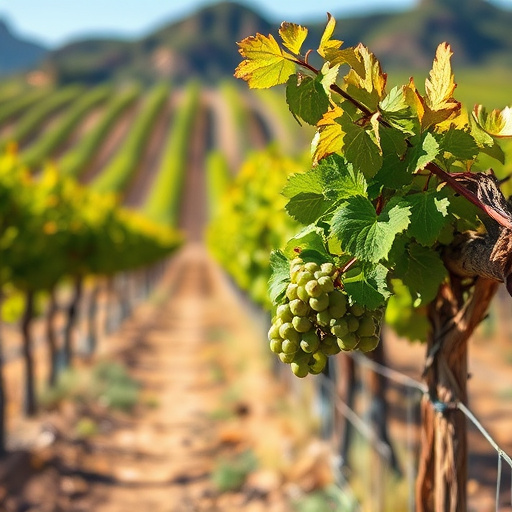
The vineyards of Sonoita, Arizona, nestled amidst majestic mountains, have long been renowned for their unique terroirs and high-elevation wines. A comparative study of nearby Sonoita estates reveals a nuanced world where subtle variations in vineyard locations, elevations, and viticultural practices significantly impact wine character. This analysis compares three prominent estates, each with distinct microclimates and approaches, to offer an in-depth understanding of the art of winemaking in this extraordinary region.
The first estate, known for its higher elevation vineyards at over 5000 feet, benefits from cooler temperatures that slow ripening, allowing for balanced acidity and complex aromatics. Their Cabernet Sauvignon, for instance, exhibits notes of blackcurrant and cedar, with a firm tannic structure. In contrast, a neighboring estate with slightly lower elevation vineyards, around 4000 feet, produces wines with richer fruit flavors and softer tannins. Their Merlot, for example, showcases ripe black cherry and plum flavors, appealing to a broader palate. These variations highlight the impact of even modest differences in elevation on wine styles, offering consumers a diverse range of experiences.
Additionally, each estate employs unique viticultural practices tailored to their microclimates. One estate utilizes a traditional foot-trodden fermentation for its red wines, preserving authentic fruit expressions, while another embraces modern technology with controlled climate vinification, enabling precise temperature management during fermentation. These contrasting methods result in distinct wine characteristics, showcasing the versatility of winemaking within the confines of Sonoita’s natural landscape.
To maximize the potential of these vineyards sonoita az, wine enthusiasts and professionals alike should embrace the diversity offered by this region. Tasting through wines from various estates and elevations provides a sensory journey, allowing one to appreciate the intricate dance between viticulture, terroir, and winemaking artistry. By understanding these comparisons, consumers can make more informed choices, while winemakers can further refine their practices, ensuring Sonoita’s reputation as a premier wine destination remains intact for generations to come.
Unique Terroir: Exploring Natural Conditions in Sonoita's Estates
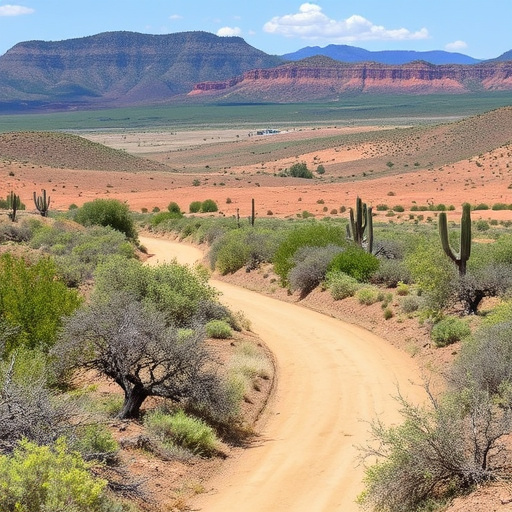
The distinct character of high-elevation wines from Sonoita, Arizona, is intrinsically linked to the unique terroir found across its neighboring estates. Terroir, encompassing the natural conditions that shape vineyards, plays a pivotal role in shaping the flavor profiles and quality of the region’s renowned wines. In this exploration, we delve into the multifaceted aspects that contribute to the distinctiveness of Sonoita’s wine country.
Sonoita’s high-altitude vineyards, nestled amidst rolling hills and diverse geological formations, benefit from cool evenings and warm days, fostering a slow ripening process. This moderate climate is further influenced by the area’s distinctive solar exposure, as north-facing slopes receive less direct sunlight, resulting in cooler temperatures that preserve delicate flavor notes during fermentation. The region’s well-drained soils, derived from ancient volcanic activity, provide a robust foundation for grapevines while allowing for optimal oxygen exchange, crucial for developing complex aromas. For instance, the granite-laced soils of some estates contribute mineral undertones to the wines, while others showcase the impact of sandy loam with its ability to retain moisture, leading to a balance of fruit and acidity.
The natural conditions extend beyond soil and climate. The region’s diverse microclimates, influenced by elevation and surrounding vegetation, create distinct growing environments for various grape varieties. This diversity allows winemakers to experiment with different blends and styles, showcasing the versatility of Sonoita’s terroir. As a result, wine enthusiasts can expect a wide range of high-quality offerings, from crisp white wines that highlight local grapes like Semillon and Grenache to robust red blends crafted from Cabernet Sauvignon and Syrah, each reflecting the unique character of its vineyard origin.
To fully appreciate the impact of terroir on Sonoita’s wines, visitors are encouraged to explore multiple estates and compare notes. Tasting through different vintages and varieties will reveal the nuanced differences shaped by these natural factors. By engaging with local winemakers, one can gain insights into their specific practices and the challenges they face in harnessing the unique offerings of each vineyard. This immersive experience not only deepens one’s appreciation for fine wine but also underscores the profound connection between terroir, vines, and the art of winemaking in this remarkable Arizona wine region.
Tasting Notes: Uncovering Differences in Wine Styles

When comparing high elevation wines from neighboring Sonoita estates, one quickly notices a distinct set of characteristics that set each producer apart. The unique microclimates and soil compositions of these vineyards in Sonoita, Arizona, naturally influence the wine styles they produce. Tasting notes reveal a diverse range of flavors, textures, and aromas that reflect these differences.
For instance, some estates located at higher elevations with more intense sun exposure tend to produce bold, fruit-forward reds such as Syrah and Tempranillo. These wines often exhibit robust tannins, high acidity, and concentrated dark fruit flavors like blackberry and plum. In contrast, lower elevation vineyards experience slightly cooler temperatures, resulting in lighter, more elegant reds like Grenache and Mourvèdre. These wines tend to showcase floral and herbal notes alongside bright red fruit, showcasing a delicate balance between fruitiness and acidity.
Moreover, the specific soil types—from volcanic to limestone-rich—add another layer of complexity. Volcanic soils, common in certain high-elevation areas, can impart mineral and peppery notes in reds, while limestone-based soils contribute to wines with a refreshing, crisp character. This natural diversity allows wine enthusiasts to explore a wide array of flavors and textures without leaving Sonoita.
To fully appreciate these differences, consider organizing tasting sessions that highlight multiple estates’ offerings side by side. Such comparisons provide valuable insights into the impact of microclimate and soil on wine quality and style, fostering a deeper connection with the unique terroir of Sonoita’s vineyards.
Winemaking Practices Across Sonoita's Neighboring Farms
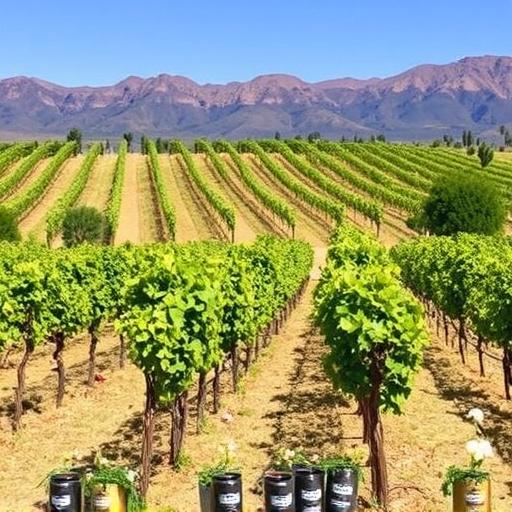
The unique terroir of Sonoita, Arizona, naturally lends itself to exceptional winemaking practices across its neighboring estates. Each farm leverages the region’s distinct characteristics—from elevation to soil composition—to craft wines that are both distinctive and highly sought after. For instance, the higher elevations, typically ranging from 4,500 to 6,000 feet, offer cooler temperatures that slow ripening, allowing for a longer growing season and preserving delicate flavors. This is evident in the vibrant acidity and complex aromas of wines produced by estates like Willow Creek and Red Rock.
Winemaking techniques vary slightly between farms but consistently prioritize sustainability and quality. Many of these neighboring estates employ organic farming practices, avoiding synthetic pesticides and fertilizers, which not only benefits the environment but also translates to purer, more nuanced wines. For example, Stone Culb’s use of native yeasts and minimal intervention in the cellar results in a distinct mineral character in their reds, while La Fortuna integrates old-world techniques like foot crushing and spontaneous fermentation for a touch of rustic charm in their white wines.
The resulting portfolio of wines from these Sonoita estates showcases remarkable diversity, reflecting both the terroir and the craft behind each bottle. Tastings at local events or directly from the wineries provide an immersive experience, allowing visitors to appreciate the unique contributions of each farm. For wine enthusiasts, exploring these neighboring estates offers a deep dive into the intricate dance between grape variety, vineyard location, and winemaking artistry that has established Sonoita as a true gem in the American wine landscape.
The Impact of Altitude on Wine Quality and Characteristics
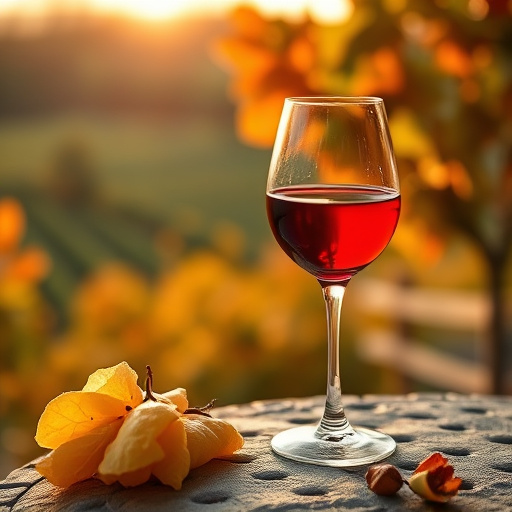
The impact of altitude on wine quality is a fascinating aspect often overlooked yet profoundly influential in viticulture. In regions like Sonoita, Arizona, where vineyards are nestled at varying elevations, this factor becomes increasingly significant. The natural terrain offers a unique opportunity to study how higher altitudes can shape the characteristics and taste profiles of wines. Research indicates that for every 1000 feet increase in elevation, temperature decreases by approximately 3.6°F, leading to slower ripening of grapes and potentially impacting sugar levels, acidities, and overall flavor development.
In Sonoita, estates situated at higher elevations, typically above 4000 feet, often produce wines with more pronounced acidity, a key marker of quality. This is attributed to the cooler temperatures slowing down the grape’s maturation process, allowing for better preservation of natural acids. For instance, some top-tier Rieslings and Sauvignon Blancs from Sonoita’s high-altitude vineyards showcase exceptional acidities that contribute to their crispness and longevity. Moreover, these wines often display more complex aromas and flavors, with notes of citrus, herbal, or mineral characteristics, making them stand out in the region’s wine landscape.
However, it’s not just about acidity. Altitude also influences the grape varieties that thrive. Certain breeds, like some Burgundian varieties, may struggle at lower elevations due to heat stress but flourish at higher altitudes where cooler temperatures are more favorable. Winemakers in Sonoita have embraced this diversity, crafting unique blends and single-variety wines that reflect the microclimates of their specific vineyard locations. As a result, consumers can expect a wide range of wine styles, from elegant Pinot Noirs to vibrant, high-acid Chardonnay, all contributing to the region’s growing reputation for producing exceptional, site-specific wines.
Through a comprehensive exploration of high elevation wine production in Sonoita, AZ, this article has illuminated the unique characteristics and diverse terroir of neighboring vineyards. By delving into comparative studies, natural conditions, tasting notes, winemaking practices, and the impact of altitude, we’ve uncovered profound insights that distinguish Sonoita’s wine styles. The key takeaway is that while all vineyards in Sonoita enjoy naturally cool climates, distinct elevation levels, soil compositions, and microclimates contribute to varied flavor profiles. Understanding these nuances empowers consumers and supports winemakers in refining their crafts. Going forward, continued research and collaboration among Sonoita’s neighboring estates can further enhance the region’s reputation as a premier wine producer known for its remarkable, elevation-driven wines.