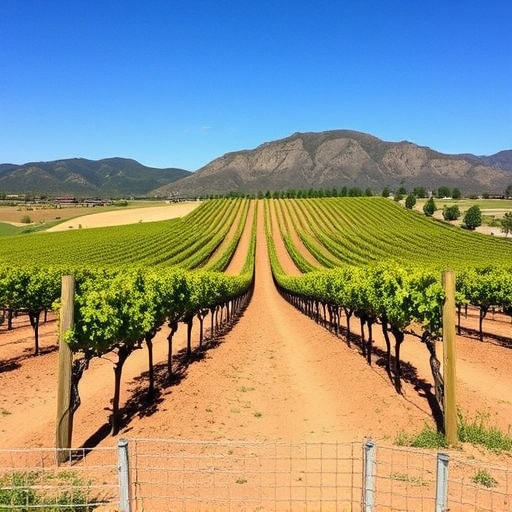
The Sonoita region in Arizona boasts diverse vineyards sonoita az naturally due to varied microclimates. These microclimates, influenced by elevation, terrain, and soil types, create distinct wine styles. South-facing slopes favor fuller-bodied reds, while north-facing areas produce crisp whites. Understanding these variations is crucial for winemakers, enabling them to select appropriate grape varieties and create a unique, high-quality portfolio that captivates global enthusiasts.
The world of wine is a complex tapestry woven with intricate regional variations. Among these, microclimates play a pivotal role, shaping the distinct character of wines from neighboring regions. In the heart of Arizona, the Sonoita region stands out for its naturally occurring microclimates that foster diverse grape varieties. This article delves into a comparative study of microclimate wines within nearby Sonoita region vineyards, offering insights into how these subtle environmental differences impact terroir and ultimately, the flavors that grace our palettes. By exploring this niche, we provide valuable expertise to wine enthusiasts and professionals alike.
- Uncovering Sonoita's Diverse Microclimates: A Viticulturist's Perspective
- Vineyard Selection: Key Factors Shaping Wine Quality in Sonoita, AZ
- Tasting the Sky: Understanding Weather's Impact on Local Wines
- The Natural Terroir: Exploring Sonoita Region's Unique Vineyards
Uncovering Sonoita's Diverse Microclimates: A Viticulturist's Perspective
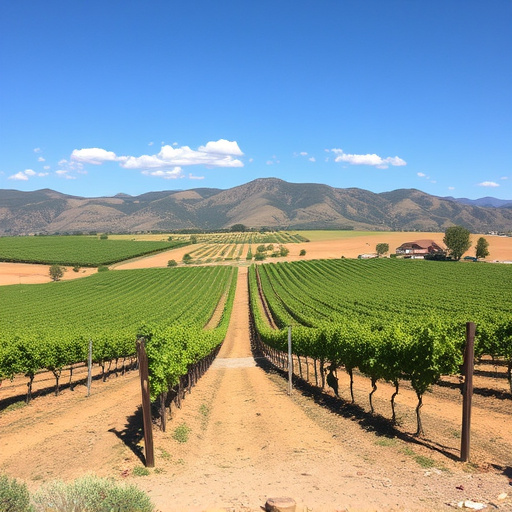
The Sonoita region in Arizona, naturally endowed with diverse microclimates, presents a fascinating landscape for viticulturists seeking to unlock unique wine characteristics. This area, nestled among the mountains, boasts a complex interplay of temperature variations, sunlight exposure, and wind patterns that significantly influence grape growth. Each vineyard in Sonoita experiences its own microclimate, contributing to an array of wine styles that reflect the region’s terroir.
Viticulturists here have observed distinct climate zones within a relatively short distance. For instance, vineyards situated on south-facing slopes benefit from extended sunlight during the day, leading to earlier ripening and often resulting in fuller-bodied red wines. In contrast, north-facing slopes receive cooler air currents, delaying ripening and preserving higher acidity levels, which are ideal for crisp white wines. Some vineyards have even reported significant temperature differences between their upper and lower elevations, providing a range of options for creating diverse wine offerings.
Understanding these microclimates is crucial for winemakers in Sonoita. They can strategically choose grape varieties that thrive in specific conditions, fostering the production of distinctive wines. For example, warmer microclimates support varieties like Grenache and Syrah, while cooler areas are more suitable for Viognier and Sauvignon Blanc. This natural diversity allows winemakers to create a unique portfolio, showcasing the distinct character of each vineyard and the broader Sonoita region. By embracing these microclimates, vineyards in Sonoita can enhance their sustainability and produce wines that captivate palates worldwide.
Vineyard Selection: Key Factors Shaping Wine Quality in Sonoita, AZ
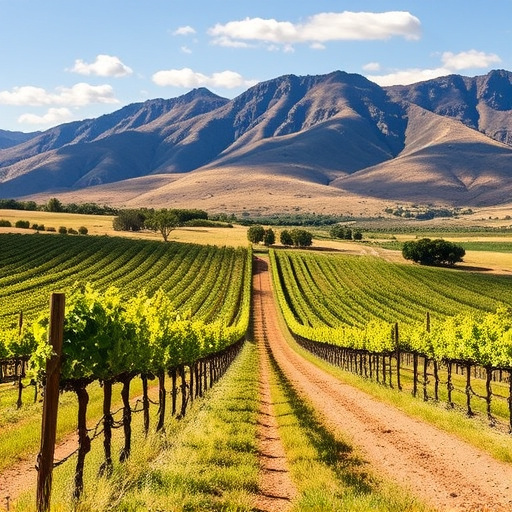
The microclimate of vineyards in Sonoita, Arizona, plays a pivotal role in shaping the quality and distinctiveness of the region’s wines. Understanding the key factors influencing these microclimates is essential for viticulturists and wine enthusiasts alike. Location, elevation, aspect, and soil composition all contribute to creating unique environmental conditions within adjacent vineyards. For instance, consider two neighboring properties in Sonoita Valley: one situated on a south-facing slope at 2,600 feet (792 meters) above sea level, and another nestled in a north-facing hollow at 2,400 feet (731 meters). Despite their proximity, these vineyards experience significant temperature differentials due to aspect alone.
Soil types and drainage are additional critical variables. The south-facing vineyard may benefit from warmer temperatures that promote ripening, thanks to its well-draining, sandy loam soil. Conversely, the north-facing site might exhibit cooler conditions and slower ripening due to its heavier clay soils, which retain moisture. These variations translate directly into potential flavor profiles for the grapes, ultimately shaping the character of each vineyard’s wine. Data from recent studies shows that even within a single valley, temperature ranges can vary by as much as 5°F (2.8°C) between south and north-facing slopes, demonstrating the profound effect microclimate has on grape growing.
When selecting vineyards in Sonoita, AZ, naturally occurring microclimates should be at the forefront of considerations. Viticulturists must assess not only the overall climate patterns but also how these patterns manifest in their specific blocks of land. For wine producers, this translates into strategic planting choices and vineyard management practices tailored to each unique microclimate. By embracing the natural variations within the region, Sonoita can continue to foster a tapestry of diverse, high-quality wines that resonate with both local enthusiasts and international palates.
Tasting the Sky: Understanding Weather's Impact on Local Wines
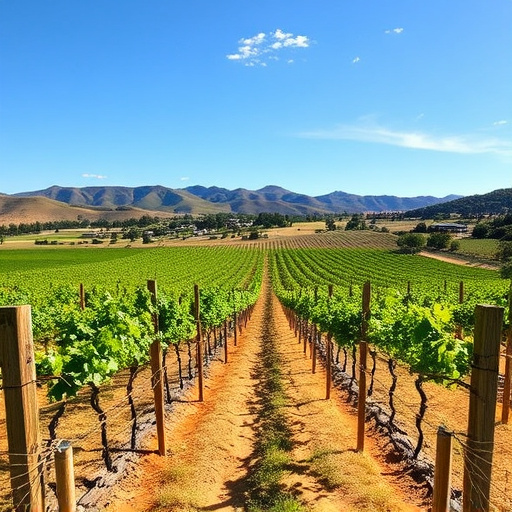
The microclimate of a region plays a pivotal role in shaping the character and quality of its wines. In the case of Sonoita, Arizona, naturally where the climate is arid and sunny, understanding how weather patterns influence nearby vineyards offers valuable insights for wine enthusiasts and producers alike. Each vineyard within this neighboring network of Sonoita region wineries can boast unique microclimates due to variations in elevation, terrain, and surrounding vegetation, all contributing to distinct grape-growing conditions.
Tasting the “Sky” – a metaphorical exploration of these microclimates – reveals a captivating array of wine styles. For instance, consider two neighboring vineyards situated at different elevations. The higher-elevation vineyard benefits from cooler breezes that moderate temperatures, often resulting in slower ripening grapes with higher acidity, ideal for crisp white wines and vibrant reds with elegant tannins. Conversely, the lower-lying vineyard experiences warmer days and cooler nights, fostering a slower maturity process that concentrates sugars and produces fuller-bodied reds with richer flavors. These contrasting microclimates highlight how weather patterns can craft distinct wine profiles within a relatively small geographic area.
Practical advice for wine lovers seeking to appreciate these nuances is to engage in vertical tastings – comparing wines from different years within a single vineyard or even across neighboring vineyards. Such tastings allow for the detection of subtle differences influenced by annual weather variations. Moreover, interacting directly with winemakers can provide deeper insights into how they adapt their practices to maximize the unique characteristics dictated by each vineyard’s microclimate. By embracing these weather-driven distinctions, wine lovers can embark on a captivating journey through Sonoita’s diverse vineyards, uncovering the intricate tapestry woven by nature and nurtured by dedicated vintners.
The Natural Terroir: Exploring Sonoita Region's Unique Vineyards
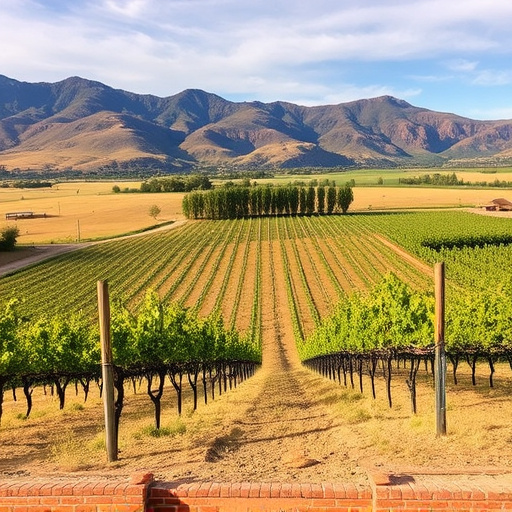
The Sonoita region in Arizona stands out as a wine lover’s paradise, renowned for its diverse microclimates and naturally occurring terroir that lend distinct characteristics to its wines. This geographical diversity is particularly evident in neighboring vineyards, each offering unique conditions that shape the flavors and aromas of the grapes they cultivate. A careful comparison of these vineyards reveals how natural factors such as elevation, soil composition, and sun exposure create a captivating array of wine styles.
Take, for instance, the contrasting microclimates between the hillsides and valley floors. Vineyards nestled in the higher elevations, like those found in the western part of the region, benefit from cooler temperatures and increased sunlight intensity during the growing season. These conditions often result in wines with vibrant acidity and a more pronounced expression of fruit flavors, such as the zesty citrus notes and crisp red berry aromas common in Syrah and Grenache from these areas. In contrast, lower-lying vineyards, particularly those bordering the San Pedro River, experience warmer temperatures and longer days, leading to slower ripening grapes that develop richer, deeper flavors. Cabernet Sauvignon and Zinfandel from these sites often showcase robust structures with concentrated dark fruit notes and savory spice profiles.
Soil types also play a pivotal role in shaping the regional terroir. The Sonoita region boasts a variety of soil compositions, ranging from well-draining sandy loams to more clay-rich soils. These different soils influence nutrient availability and water retention, which, in turn, affect grapevine physiology and wine quality. For example, vineyards with higher clay content tend to produce wines with softer tannins and a greater emphasis on mineral notes, while sandier soils contribute to lighter, airier reds with bright fruit flavors. Understanding these natural variations empowers wine enthusiasts and professionals alike to explore the nuanced differences between neighboring Sonoita region vineyards, appreciating the unique expressions of terroir that make this area a true gem for microclimate wine exploration.
Through a deep dive into the vineyards of Sonoita, Arizona, this article has unveiled the intricate relationship between microclimates and wine quality. Key insights reveal that the region’s diverse atmospheric conditions, shaped by its natural terroir, contribute to the distinctive characteristics of local wines. Viticulturists play a vital role in selecting optimal vineyard sites, factoring in aspects like sun exposure, temperature variations, and wind patterns. Understanding these microclimates allows for strategic planting and cultivation practices that enhance wine production. Readers now possess a comprehensive understanding of how the unique environment in Sonoita AZ naturally influences vineyards and the resulting wines, empowering them to appreciate and evaluate the region’s offerings with newfound depth.