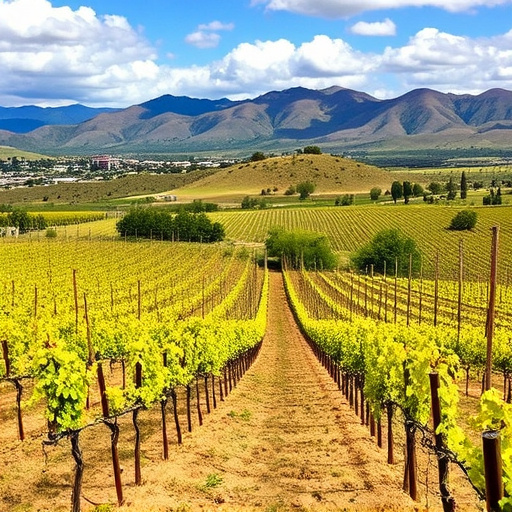
The Sonoita region in Arizona boasts diverse microclimates ideal for viticulture, with nearby vineyards showcasing unique terroirs. This variety enables a wide range of grape varieties to thrive, resulting in a rich diversity of wine styles from neighboring vineyards. From cool-climate grapes like Riesling and Chardonnay to heat-loving varietals such as Syrah and Grenache, Sonoita's microclimates significantly influence each wine's characteristics, making it a standout destination for wine enthusiasts seeking diverse microclimate wines among nearby vineyards in Sonoita, AZ.
“Uncover the enchanting world of microclimates in the Sonoita region of Arizona, where neighboring vineyards thrive in distinct environmental conditions. This article delves into the unique terroir that defines this vibrant wine-making area. Through a comparative study, we explore how nearby vineyards harness varying microclimates to produce distinctive wines. From grape quality to taste profiles, discover the intricate relationship between these factors and the region’s diverse microclimates.”
- Exploring Microclimates: Sonoita Region's Unique Terroir
- Neighboring Vineyards: A Comparative Study
- Wine Production Variations in Close Proximity
- Impact of Microclimate on Grape Quality and Taste
- Tasting Notes: Unveiling Regional Differences
Exploring Microclimates: Sonoita Region's Unique Terroir
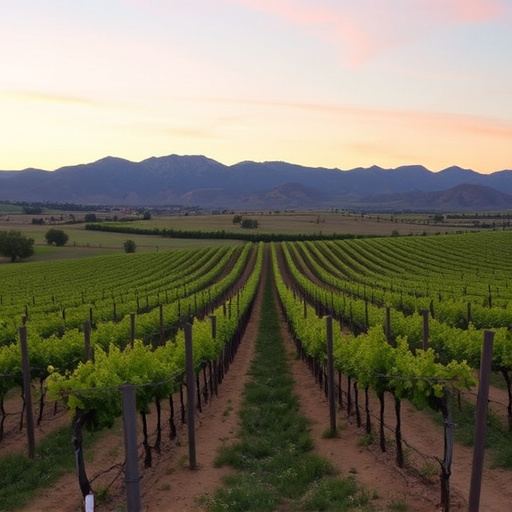
The Sonoita region in Arizona is a testament to the diverse and fascinating world of microclimates in viticulture. This area, nestled among the majestic Santa Catalina Mountains, boasts numerous vineyards that showcase the unique terroir of the region. Each vineyard, separated by just a few miles, can exhibit vastly different conditions—temperature, sunlight exposure, wind patterns, and soil composition all play their parts.
These microclimates allow for an array of grape varieties to thrive, contributing to the rich and diverse wine offerings of the Sonoita region. From cool-climate grapes like Riesling and Chardonnay that flourish in the higher elevations, to heat-loving varietals such as Syrah and Grenache that excel in the lower, warmer pockets, the region’s terroir is a dance of contrast and complementarity, fostering a symphony of flavors in every glass of wine produced from these neighboring vineyards.
Neighboring Vineyards: A Comparative Study
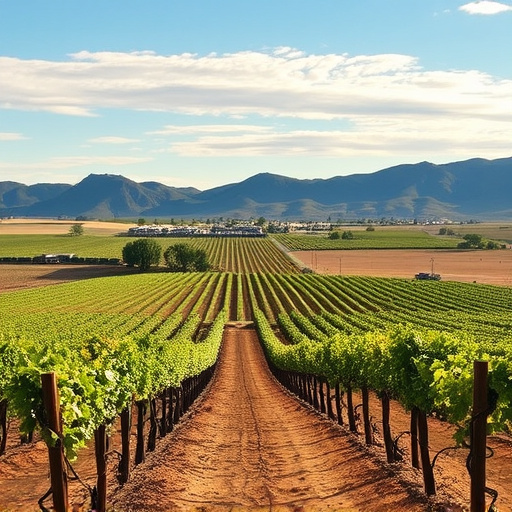
In the vibrant wine region of Sonoita, Arizona, neighboring vineyards offer a fascinating microclimate contrast that influences grape growing and ultimately, wine quality. Each vineyard is uniquely positioned, with varying elevations, exposures to sunlight, and soil types. These factors create distinct microclimates, allowing for a diverse range of wine styles despite their proximity.
A comparative study between these adjacent wineries reveals intriguing differences. For instance, one vineyard on a slightly higher elevation enjoys cooler breezes during the day, slowing ripening and focusing on acidity in their grapes, while another, nestled in a lower valley, experiences warmer days and nights, contributing to richer, fuller-bodied wines. This study showcases how even neighboring vineyards can offer unique wine characteristics, making Sonoita a true gem for wine enthusiasts exploring diverse microclimates in AZ.
Wine Production Variations in Close Proximity
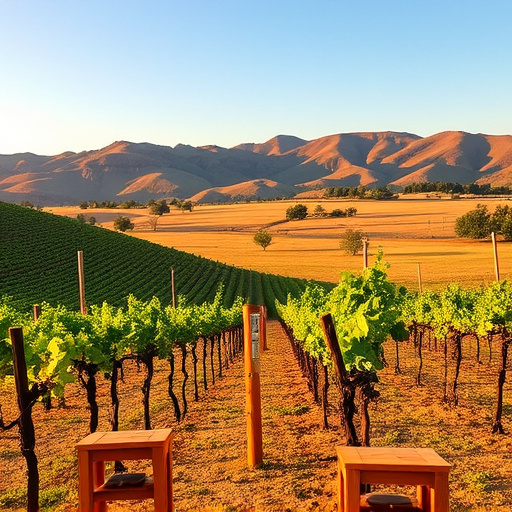
In the heart of Arizona’s Sonoita region, a fascinating phenomenon unfolds just a stone’s throw away from one vineyard to the next. Despite their close proximity, each vineyard experiences unique microclimates, leading to distinct wine production variations. This regional diversity is a testament to the intricate relationship between geography and viticulture.
Factors such as elevation, aspect, and surrounding vegetation create pockets of varying temperatures and humidity levels, resulting in different grape ripening times and flavor profiles. As a result, wines from neighboring vineyards can exhibit remarkable differences in characteristics like sugar content, acidity, and tannin structure. This phenomenon not only enriches the local wine scene but also offers enthusiasts a captivating journey through the subtle nuances that microclimates bring to each vintage.
Impact of Microclimate on Grape Quality and Taste
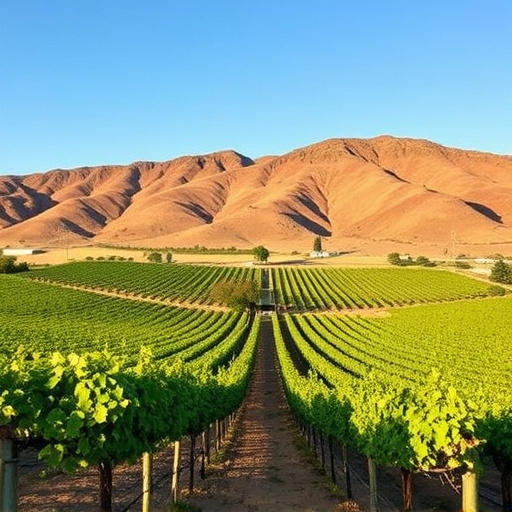
The microclimate in which grapes are grown plays a pivotal role in shaping their quality and the distinctive flavors they impart to wine. In the neighboring Sonoita region vineyards of Arizona, this impact is particularly evident. Soils, elevation, and proximity to mountains or bodies of water create unique conditions that influence grape ripening and development.
For instance, vineyards situated on higher elevations often experience cooler temperatures, slowing down sugar accumulation in grapes and allowing for a longer growing season. This results in wines with balanced sweetness and acidity. Conversely, lower-lying areas might have warmer microclimates, accelerating grape maturity and contributing to richer, more robust flavors. These variations lead to a diverse range of microclimate wines within the Sonoita region, each offering distinct characteristics that cater to varied palates.
Tasting Notes: Unveiling Regional Differences
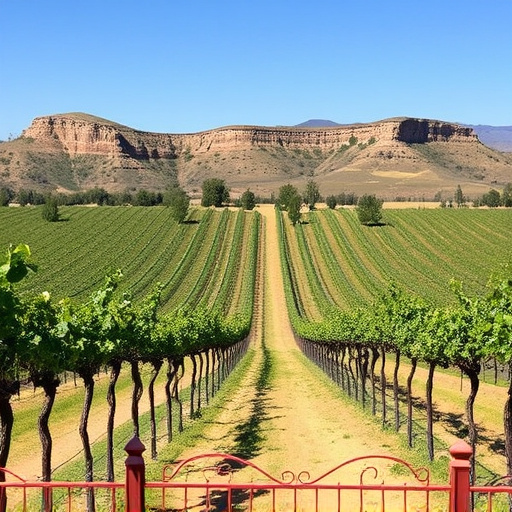
Tasting Notes: Unveiling Regional Differences
When comparing microclimate wines from neighboring Sonoita region vineyards, one cannot help but notice the distinct regional characteristics that shape each unique offering. The subtle yet significant differences in terroir, ranging from elevation and soil types to sun exposure and wind patterns, play a pivotal role in the final flavor profile of the grapes. These factors contribute to a delightful array of tastes and aromas, making each vineyard’s wine a true reflection of its specific microclimate.
For instance, vineyards nestled at higher elevations often produce wines with heightened acidity and crispness, while those situated in lower-lying areas may yield fuller-bodied wines with richer fruit flavors. The distinct climate variations within the Sonoita region allow winemakers to craft wines that cater to diverse palates, ensuring there’s a style to suit every connoisseur. This regional diversity enriches the overall wine experience for both locals and visitors alike, making the Sonoita AZ vineyards a true haven for wine enthusiasts seeking nuanced and expressive bottles.
The vineyards of Sonoita, Arizona, showcase the remarkable impact of microclimates on wine production. By comparing neighboring regions, we’ve discovered that even small variations in temperature and sunlight can lead to distinct grape qualities and flavor profiles. This unique terroir not only enriches the diverse wine offerings from these Sonoita az vineyards but also underscores the significance of place in crafting exceptional wines. Further exploration of these microclimates continues to reveal intriguing regional differences, promising exciting new discoveries for wine enthusiasts.