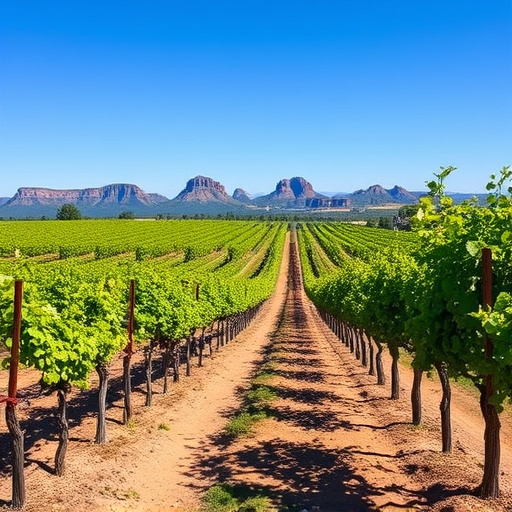
The vineyards of Sonoita, Arizona, naturally cultivate diverse microclimates due to geography and climate, creating unique terroir. These microclimates influence grape growth and wine production, with varying temperatures, sunlight exposure, and wind patterns. Winemakers select varieties and vineyard sites accordingly, resulting in a range of distinct wines recognized globally. Understanding these natural variations enhances innovation and quality in Sonoita AZ vineyards.
The world of wine is a complex landscape, with microclimates playing a pivotal role in shaping the distinct characteristics of each region’s offerings. In the heart of Arizona, the Sonoita region has emerged as a vibrant wine-producing area, boasting neighboring vineyards that cultivate a diverse range of grape varieties. This comparative study delves into the intricate dance between geography and viticulture, exploring how microclimates influence the quality and unique traits of wines from these adjacent Sonoita vineyards. By examining their distinct features, we gain valuable insights into the region’s potential and offer a comprehensive guide for wine enthusiasts seeking authentic, terroir-driven bottles from this remarkable part of Arizona.
- Uncovering Microclimates: Sonoita Region's Diverse Terroir
- Vineyard Comparisons: Exploring Wine Variations in Nearby Locations
- Natural Differences: How Sonoita, AZ's Climate Shapes Viticulture
Uncovering Microclimates: Sonoita Region's Diverse Terroir
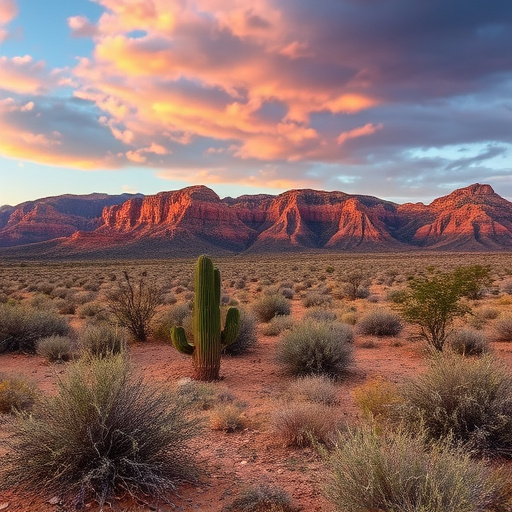
The Sonoita region in Arizona stands as a prime example of how geography and climate interact to create distinct microclimates, each offering unique conditions for vine growth and wine production. This natural diversity is where the magic happens, resulting in an array of microclimate wines that showcase the terroir of neighboring vineyards. The region’s varied topography, consisting of rolling hills, valley floors, and slopes exposed to different cardinal directions, significantly influences temperature, sunlight intensity, and wind patterns, ultimately shaping the character of the grapes harvested.
One notable aspect is the contrast between the warmer, sunnier slopes and the cooler, shaded valleys. For instance, some vineyards in Sonoita Valley benefit from morning fog and evening breezes that temper the heat, creating a more moderate microclimate ideal for grapes like Grenache and Mourvèdre. In contrast, higher elevation areas, such as those on the western slopes, experience hotter days and cooler nights, conditions well-suited for robust varieties like Syrah and Viognier. This variation allows winemakers to cultivate diverse grape types, contributing to a rich and varied wine portfolio that reflects the region’s multifaceted terroir.
Furthermore, data collected over the years has highlighted these microclimates’ impact on harvest times and wine styles. Early-ripening varietals may come from warmer slopes, offering richer, fuller-bodied wines, while later-harvested grapes from cooler valleys can result in lighter, more delicate expressions. This nuanced understanding encourages winemakers to carefully select vineyard sites and grape varieties, ensuring their wines encapsulate the unique identity of Sonoita’s microclimates. By embracing these natural variations, the region’s vineyards continue to foster innovation, producing microclimate wines that have gained international recognition for their distinct character and quality.
Vineyard Comparisons: Exploring Wine Variations in Nearby Locations
The vineyards of Sonoita, Arizona, naturally cultivate unique microclimates that significantly influence the character of wines produced within this region. To appreciate the intricacies of these variations, a comparative study between neighboring vineyards offers valuable insights for both viticulturists and connoisseurs. Each vineyard, situated in close proximity, benefits from distinct environmental factors such as elevation, aspect, soil composition, and local winds, all of which contribute to the development of varying wine styles.
Consider two adjacent Sonoita vineyards, Vineyard A and Vineyard B. Despite their geographical closeness, they exhibit notable differences in terroir. Vineyard A, nestled at a higher elevation, benefits from cooler temperatures during the growing season, leading to slower ripening grapes with higher acidity. This results in crisp, vibrant white wines known for their distinctive citrus and mineral notes. In contrast, Vineyard B, located in a lower-lying area, experiences warmer days and cooler nights, fostering slower sugar accumulation in the grapes. Consequently, their red wines showcase richer fruit flavors, often displaying hints of dark berries and spice.
These examples highlight how nearby vineyards can produce markedly different wines even when sharing similar geographical features. Viticulturists and winemakers should consider such variations when selecting grape varieties for specific sites and crafting unique blends. Connoisseurs, too, can appreciate the nuanced differences by exploring wines from these neighboring locations, gaining a deeper understanding of terroir’s impact on wine quality and character. By comparing notes between these vineyards, one can truly discover the rich tapestry of wine experiences that the Sonoita region has to offer.
Natural Differences: How Sonoita, AZ's Climate Shapes Viticulture
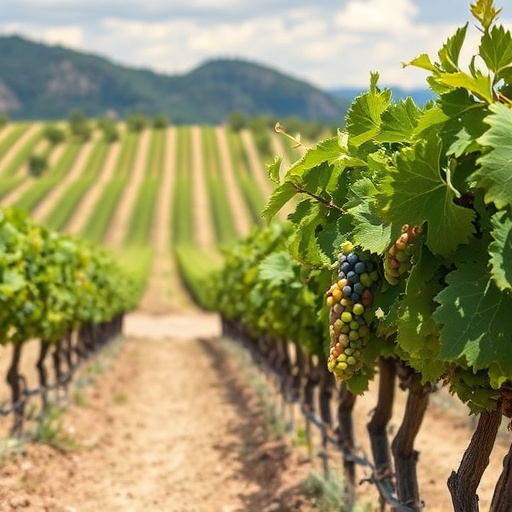
The Sonoita region of Arizona has established itself as a unique and distinct wine-producing area, primarily due to its naturally varying microclimates. This geographical feature sets it apart from neighboring vineyards and offers viticulturists a fascinating playground to explore diverse grape varieties and styles. The climate in Sonoita is characterized by significant diurnal temperature variations, with hot days and cool nights, creating ideal conditions for a range of wine types.
One of the most notable natural differences lies in sunlight exposure. The region’s elevation and geographic location lead to varied sun exposure across different vineyards. Lower-lying areas experience more intense, direct sunlight, fostering the growth of grapes with higher sugar content, while higher elevations receive slightly less intense light, promoting slower ripening and preserving acidity. For instance, some vineyards at lower elevations in Sonoita produce wines with richer, fuller bodies, while those at higher elevations offer lighter, more crisp options, showcasing the region’s ability to accommodate various wine styles through microclimate variation.
Additionally, wind patterns play a significant role in shaping the viticultural practices in Sonoita, AZ. The region is prone to hot, dry winds during the day, which can desiccate grapevines if not managed properly. As such, winemakers often employ strategies like planting cover crops or using irrigation systems to mitigate water stress and ensure optimal grape health. These natural factors contribute to the development of unique flavor profiles in wines from Sonoita, making them stand out on the market. Understanding these microclimates enables vineyards to make informed decisions regarding grape selection, harvesting schedules, and winemaking techniques, ultimately elevating the quality and distinctiveness of their offerings.
By comparing microclimate wines across neighboring vineyards in Sonoita, AZ, we’ve uncovered the intricate relationship between the region’s diverse terroir and the resulting wine variations. The article has highlighted how natural differences in climate, sunlight exposure, and soil composition naturally shape viticulture in these vineyards sonoita az. Key insights include recognizing that microclimates can significantly influence grape ripening and flavor profiles, leading to unique wine characteristics. This knowledge empowers winemakers to make informed decisions about vineyard management and grape sourcing. Additionally, consumers now have a deeper appreciation for the nuanced differences between wines from nearby locations, enhancing their tasting experiences. In conclusion, understanding these microclimate dynamics is crucial for both industry professionals and enthusiasts alike, as it contributes to the rich tapestry of wine production in Sonoita, AZ.