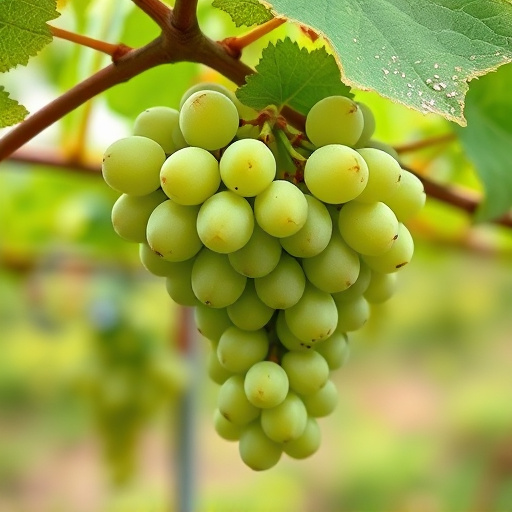
The Sonoita AVA, nestled in the heart of Arizona's high desert, has emerged as a surprising powerhouse in the wine world, proving that grapes can thrive in conditions once thought inhospitable. Planting a new vineyard here is a unique challenge, demanding a deep understanding of the region's distinct terroir, from its hot, dry summers to the cool, crisp monsoon winds. This article examines the intricate dance of growing grapes in Sonoita, exploring everything from the science behind bud break and veraison to the challenges of irrigation and the benefits of cover crops. We'll uncover why Spanish and Italian grape varieties have found a perfect home here and provide practical insights for both seasoned winemakers and those interested in starting a new vineyard in this remarkable AVA.
- Understanding Sonoita's Unique Desert Climate
- Preparing the Soil for Grape Growth
- Planting and Nurturing New Vineyards
- Sustainable Practices for Healthy Harvests
Understanding Sonoita's Unique Desert Climate
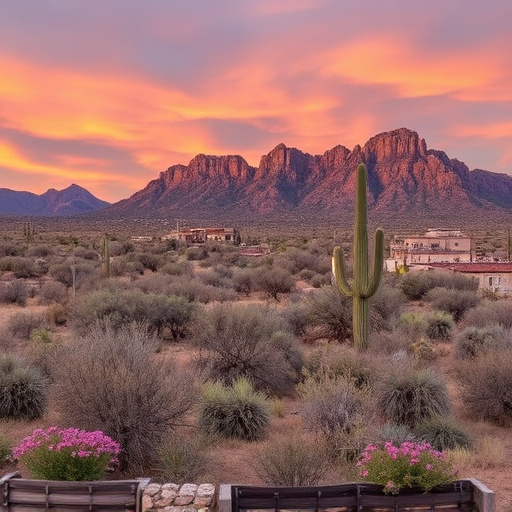
The high desert environment in Sonoita presents a unique challenge and opportunity for grape growers. This region, characterized by its arid climate, deep soils, and distinct sunlight patterns, creates a terroir-a set of environmental factors that influence the wine's character-like no other. Understanding this terroir is crucial for anyone considering planting a new vineyard or appreciating the final product.
The vintage in Sonoita is defined by the monsoon season, a dramatic contrast to the rest of the year's dry heat. This seasonal change brings much-needed water, influencing bud break, which occurs earlier than in most other wine regions. The local grape varieties, such as Spanish and Italian, thrive in this environment, showcasing their adaptability to the high desert. The soil, a key component of Sonoita's terroir, is characterized by its depth and well-draining properties, allowing for deep root systems and healthy grape development.
When establishing a new vineyard, it's essential to consider these factors. Grapevines in Sonoita benefit from irrigation systems tailored to the desert's specific needs, ensuring a consistent water supply during dry spells. The choice of rootstock and grafting techniques matters in the vineyard's success, protecting against pests and diseases prevalent in the region. A local Tucson wine tour operator often points out the unique trellis systems used here, designed to withstand the harsh conditions and maximize sunlight exposure for the grapes. Understanding these natural processes and adapting to the terroir is what truly brings out the best in Sonoita's grapes.
Preparing the Soil for Grape Growth
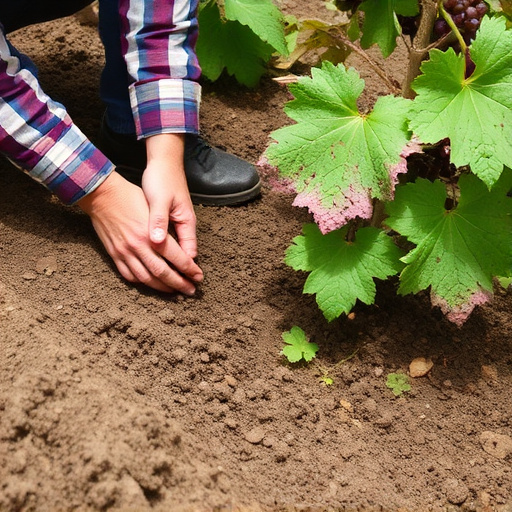
In high desert Sonoita, Arizona, preparing the soil for grape growth is an art that combines understanding the unique terroir with practical, sustainable techniques. The Sonoita AVA, known for its challenging yet rewarding conditions, demands specific soil management practices to thrive. The soil here, characterized by a mix of sandy loam and gravel, requires careful consideration to ensure grapes receive the necessary nutrients and drainage. This is particularly crucial in a region where the extreme temperatures and scarce rainfall necessitate efficient water retention and protection from erosion.
Planting a new vineyard in Sonoita naturally involves choosing the right grape varieties that are well-adapted to the high desert climate. Spanish and Italian grapes, for instance, have proven resilient to the region's conditions, with their deep root systems capable of reaching water sources at considerable depths. This adaptability is a key reason why these varieties are popular among local vintners. The soil preparation process begins with extensive testing to determine pH levels and nutrient content. This data guides the addition of amendments, such as organic matter, to improve soil structure and fertility. In the grasslands surrounding vineyards, cover crops can be strategically planted to prevent soil erosion and enrich the earth with nutrients during the off-season.
A local Tucson wine tour operator specializing in electric van tours of southern Arizona's wineries often emphasizes the importance of soil health to their clients. They note that many successful vineyards in Sonoita employ irrigation systems tailored to the desert environment, ensuring a consistent water supply during the critical growing seasons. Rootstock and grafting play a vital role in vineyard sustainability, protecting the delicate grapevines from extreme temperatures and pests. This meticulous approach to soil preparation, combined with proper grape variety selection, is what allows Sonoita to thrive as a premier high desert wine region, producing distinctive, high-quality vintages year after year.
Planting and Nurturing New Vineyards
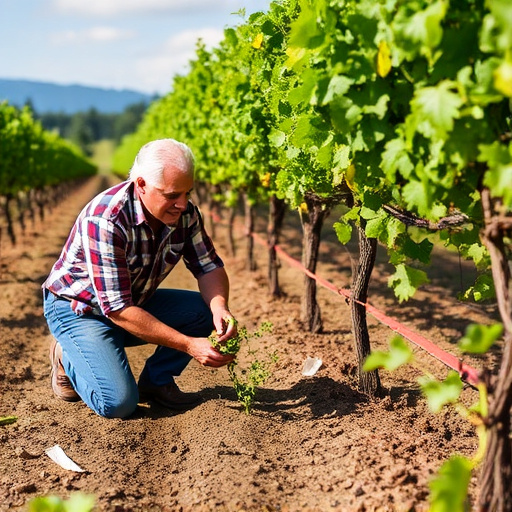
Planting a new vineyard in the high desert of Sonoita, Arizona, is a meticulous process that requires a deep understanding of the region's unique terroir and climate. This process starts with selecting the right grape varieties, which are adapted to the specific conditions found in the Sonoita AVA. Spanish and Italian grape varieties have proven successful here due to their resilience and ability to thrive in high-elevation, hot, dry environments.
Once the grape variety is chosen, planting begins during the appropriate season. Vineyards in Sonoita are often established on grassland, taking advantage of the region's naturally well-draining soils. The planting process involves digging holes, placing rootstock, and grafting, if necessary, to ensure disease resistance and adaptability. After planting, young vines require careful management. This includes regular pruning during the winter to shape the vines and improve air circulation, and trellis systems to support their growth.
A local Tucson wine tour operator often recommends cover crops between the vines to maintain soil health and prevent erosion. Watering, or irrigation, is a critical consideration in desert vineyards. While Sonoita's monsoon season can provide some natural watering, careful management is still required to ensure the vines receive adequate hydration. Hand picking grapes is a common practice in these regions, allowing for selective harvesting based on individual grape quality. Over time, as the vines mature, they can produce up to two tons of fruit per acre, but achieving this yield requires dedication and an understanding of the specific needs of high desert grape growing.
Sustainable Practices for Healthy Harvests

In the heart of the Sonoran Desert, the grapevine flourishes in a seemingly unlikely setting, showcasing the resilience and adaptability of this noble plant. Understanding how grapes grow in high desert environments like Sonoita requires a deep examine the region's unique terroir and the practices that ensure sustainable harvests. Eco Buzz Tours, a local Tucson wine tour company specializing in Sonoita, offers a window into this fascinating process.
Soil composition and elevation play a crucial role in shaping the grapes' journey from bud break to harvest. The Sonoita AVA's distinctive soils, rich in minerals, provide excellent drainage, crucial for preventing root rot in the desert's hot, dry conditions. Vineyard elevation also influences temperature, with higher elevations offering cooler nights that slow ripening, allowing for more complex flavors in the grapes. This natural climate control is a key advantage for high desert grapegrowing.
Planting a new vineyard in Sonoita involves careful consideration of site selection and grape varieties. Spanish and Italian grape varieties, for instance, have proven successful due to their adaptability to the region's conditions. These vines, often grafted onto robust rootstocks, can withstand the harsh desert climate. Pruning, trellis systems, and cover crops between the vines are essential practices for maintaining vineyard health. A young vine may require more frequent pruning to encourage growth, while an old vine benefits from a lighter touch to preserve its age-gained character.
Irrigation, a critical component of sustainable desert farming, is carefully managed in Sonoita vineyards. While the monsoon season brings occasional rain, well-timed irrigation during dry periods ensures optimal grape development. However, hail risk remains a concern, prompting the use of netting to protect the delicate grapes. The region's UV exposure necessitates strategies to prevent sunburn on the grape skins, from applying natural sunscreens to adjusting planting angles. Eco Buzz Tours' knowledgeable guides often share these practical insights with wine enthusiasts during vineyard walks, highlighting the challenges and triumphs of high desert grapegrowing.
Frequently Asked Questions About an explainer on how grapes grow in high desert Sonoita
What makes Sonoita unique for grape cultivation in Arizona?
Sonoita's high desert climate, characterized by hot, dry summers and cool nights, creates ideal conditions for growing specific grape varieties. The region's low humidity and sunlight intensity contribute to the development of intense flavors and aromas in the grapes. The area's well-draining soils, often a mix of sandy and loam, provide excellent drainage, minimizing the risk of root rot and ensuring healthy vines.
Which grape varieties thrive in Sonoita's environment?
While many grape varieties can grow in Sonoita, certain types have shown exceptional performance. Cabernet Sauvignon, Merlot, and Zinfandel flourish in the region's heat, producing robust, fruity wines. The desert's sun-kissed grapes also contribute to the distinctive character of local wines, making Sonoita a renowned wine-growing area in southern Arizona.
How do grapevines cope with the extreme temperatures?
Grapevines in Sonoita adapt to the harsh climate through several mechanisms. They often grow on slopes or in areas with some protection from wind, reducing water loss. The vines' deep root systems allow them to access water from lower soil levels during droughts. Their thick bark provides insulation against extreme heat during the day and cold nights, ensuring the plant's overall health and fruit production.
What role does irrigation play in Sonoita's wine production?
Irrigation is crucial in Sonoita, as the region experiences minimal rainfall. Local wineries employ various irrigation techniques, such as drip irrigation, to efficiently deliver water to the vines. This careful watering ensures the grapes receive adequate hydration, contributing to their quality and sugar content.
How does the high desert environment influence wine flavors?
The unique environmental conditions in Sonoita significantly impact the flavor profiles of the grapes and resulting wines. The intense sunlight and warm temperatures concentrate sugars and flavors in the grapes, leading to rich, robust wines. The desert's mineral-rich soils also impart distinct mineral notes and a complex earthiness to the wines, making them highly sought-after by wine enthusiasts.
Understanding the unique terroir of Sonoita, with its high desert climate, specific soil types, and the challenges and benefits of monsoon seasons, is crucial for any winemaker or someone looking to plant a new vineyard. The process begins with preparing the soil, a critical step that ensures grapevines have the nutrients they need to thrive. Once established, sustainable practices, including cover crops between vines, natural pruning, and protection from wildlife, help maintain the health of the vineyard.
Planting a new vineyard in Sonoita involves selecting the right grape varieties, such as Spanish and Italian types, suited to the climate and elevation. Proper irrigation, rootstock, and grafting techniques further safeguard against potential issues like hail and frost. The article's insights highlight the importance of understanding these factors to produce high-quality grapes and wine, ensuring a successful harvest from the very first year.
By adopting these practices, wine enthusiasts and future vineyard owners can contribute to the rich history of Sonoita AVA, known as Arizona's first wine region, while also learning from the region's unique challenges and benefits.
Sonoita's high desert environment presents unique challenges and opportunities for grape growing, shaped by its arid climate, deep soils, and distinct sunlight. Understanding this terroir is crucial for planting new vineyards. Local grape varieties like Spanish and Italian thrive here. Key practices include irrigation tailored to desert needs, choosing the right rootstock, strategic cover cropping, and meticulous pruning and trellis systems. These techniques ensure healthy vines, high-quality grapes, and sustainable harvests in this demanding region.